Pakistan restricts international media reporting
Pakistani authorities have imposed new restrictions on international media reporting in the country in a move that has drawn sharp criticism from journalist organisations.
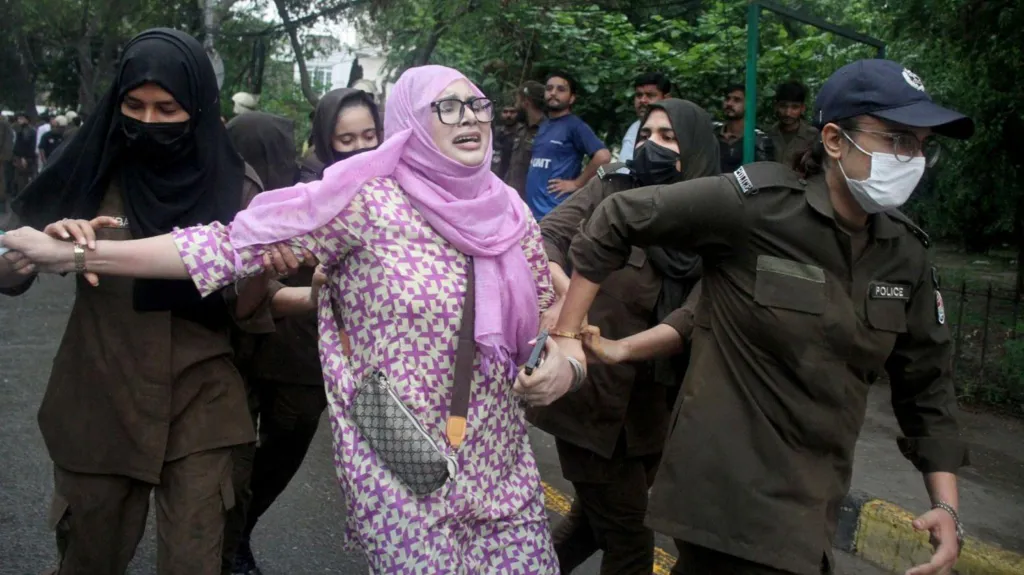
The Pakistani government has introduced new restrictions on foreign media reporting, requiring anyone working for international media to seek permission before covering stories outside of three major cities: Islamabad, Karachi, and Lahore. This move has been met with strong criticism from journalist organizations, who argue that it significantly limits the ability of foreign media to operate and report on the ground across most of Pakistan, currently ranked 153 out of 180 on the World Press Freedom Index.
Mustafa Nawaz Khokhar, a political commentator, described the guidelines as "tantamount to choking international media in an increasingly shrinking space."
Local media often face more pressure than their international counterparts; therefore, placing restrictions on international media is expected to create more room for disinformation and fake news. The guidelines, known as the Foreign Media Facilitation Guidelines 2026, do not specify how long it may take to obtain a No Objection Certificate (NOC), which is currently required for foreign journalists to report from locations outside the designated cities.
Journalists already face lengthy delays in obtaining NOCs, often waiting months or never receiving an answer, which hampers their ability to report breaking news stories. Consequently, international media outlets often rely on Pakistani nationals to verify information, as they can more easily travel to or reside in cities like Peshawar or Quetta.
The government claims that these restrictions are not meant to limit media but are intended to "provide an administrative mechanism" for verifying media, facilitating access, and coordinating reporting requirements. However, local media outlets, such as Dawn newspaper, have expressed strong disapproval, stating that the restrictions "undermine freedom of movement and freedom of the press."
The new guidelines also warn that journalists may lose their accreditation for "acts against ideology, sovereignty, security, or public order of Pakistan," a provision that critics argue is vague and open to interpretation. The government maintains that any system of accreditation must retain the ability to act when necessary, such as when "the holder is involved in conduct affecting national security or public order."
While there is no statutory framework supporting these guidelines, a Supreme Court lawyer, Salhuddin Ahmed, contends that they are merely an executive order without legal backing. Ahmed and others are calling for a meeting between international journalists and the information minister to address these concerns. The authorities are particularly concerned about reporting from certain locations, such as Pakistan-administered Kashmir, where two months of violent clashes between protesters and security officials have resulted in dozens of casualties.
Local elections are currently underway, and protesters are boycotting them, making it difficult to verify information due to internet access restrictions and the ministry's message instructing foreign media to "return back IMMEDIATELY" and obtain an NOC.
Written by urgent.news from MyJoyOnline Ghana's reporting — not their text. Machine-written — may contain errors; check the original before relying on it.