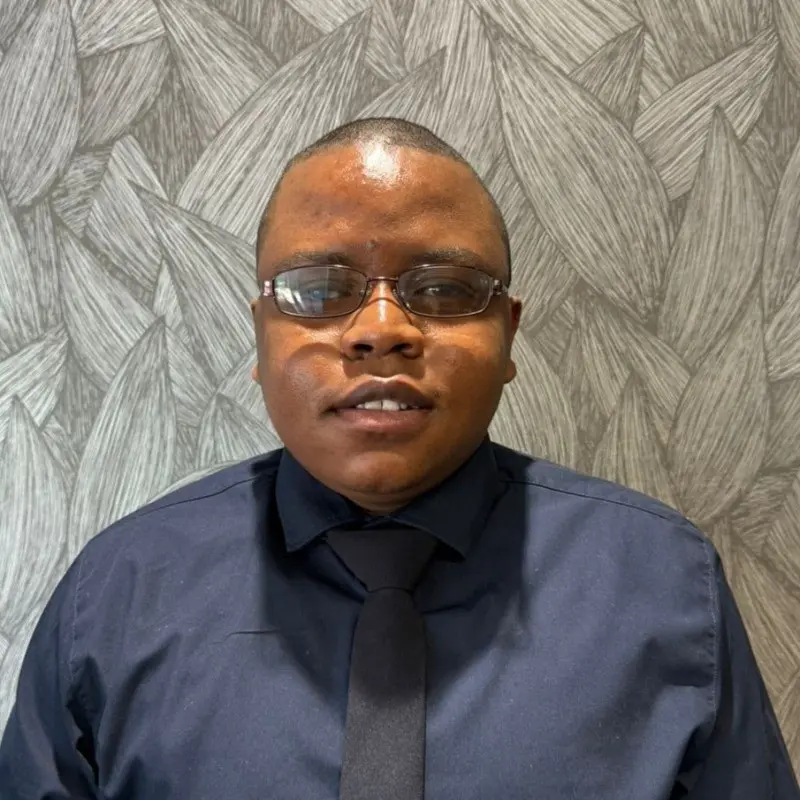
'Pakistan asked for ceasefire, we kept them waiting': Ex-defence chief Anil Chauhan recalls Operation Sindoor
The former CDS said India was determined to achieve its military objectives before considering a ceasefire, with additional waves of strikes already planned.

On May 10 last year, Pakistan approached India with a request for a ceasefire during Operation Sindoor, but India deliberately delayed its response, according to former Chief of Defence Staff (CDS) General Anil Chauhan. At the time, Pakistan had contacted India through the Director General of Military Operations (DGMO) hotline. New Delhi, however, kept Islamabad waiting until the afternoon.
General Chauhan recalled that Pakistan had made their request on the morning of May 10, following a series of aggressive rhetoric from their side. He noted that India was determined to achieve its military objectives before considering a ceasefire, even as additional waves of strikes were already planned to demonstrate that no military installation was beyond the reach of the Indian Armed Forces.
The IAF had struck key Pakistani airbases, including Sargodha and Noor Khan, severely disrupting Pakistan Air Force operations from the early hours of the day. With airstrips gone, Pakistan's air operations capability rapidly diminished. General Chauhan suggested that Pakistan realized their ability to sustain air operations was rapidly diminishing and believed their attacks had inflicted significant damage on India, making it a suitable time for a ceasefire.
Operation Sindoor was initiated in response to the Pahalgam terror attack on April 22, where at least 26 Indian tourists were killed by the Terrorist and Rebel Front, an offshoot of Pakistan-based Laskhar-e-Taiba. Despite the denial of involvement by the Terrorist and Rebel Front and Pakistan, India proceeded with military strikes across Pakistan and Pakistan-occupied Kashmir, leading to a four-day standoff and a ceasefire agreement between India and Pakistan on May 10, 2025.
Written by urgent.news from Hindustan Times's reporting — not their text. Machine-written — may contain errors; check the original before relying on it.