Northern Ireland’s first floating oyster reef opened in north Antrim
Initiative by Ulster Wildlife charity intended to restore near-extinct native European flat oyster to region
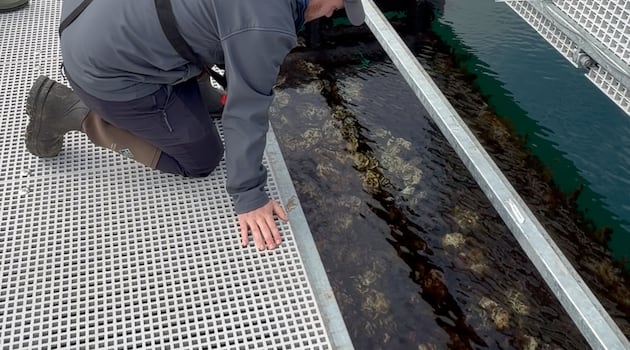
Northern Ireland has welcomed its first floating oyster reef in north Antrim, marking a significant step in the recovery of the near-extinct European flat oyster and the improvement of marine ecosystems. The innovative reef, installed at Glenarm Marina, serves as a protected habitat for juvenile oysters and adult specimens, with over 10,000 spat and 200 adult oysters currently thriving inside.
Historically, native oyster reefs were widespread along Ireland’s coastline but have dwindled due to overharvesting, habitat loss, disease, and pollution. These oysters are recognized as "natural ecosystem engineers" that enhance water quality, boost biodiversity, and safeguard coastlines from storm surges.
The initiative, spearheaded by the conservation charity Ulster Wildlife, builds upon existing efforts to nurture native oysters locally and across wider regions. In recent months, the organization achieved a significant milestone by transplanting oysters onto the seabed in Belfast Lough.
The Glenarm Marina reef recreates a natural oyster reef environment above the seabed, aiming to scale up restoration efforts. Preliminary results are promising, with survival rates surpassing 80 percent. A camera system stationed on the reef is capturing ongoing interactions between the structure and various marine species, including fish and seabirds, offering unprecedented insights into their ecological roles.
Dr. Nick Baker Horne, Ulster Wildlife’s marine conservation manager, described this as an "exciting new chapter" in oyster restoration, emphasizing the reef’s role in enhancing water quality, promoting biodiversity, and providing local fisheries with a more resilient marine environment.
Beyond its immediate ecological benefits, the project aims to develop techniques for collecting washed-up seagrass on the reef, which will then be replanted to bolster Glenarm’s seagrass meadows. Funded by the Department of Agriculture, Environment, and Rural Affairs through the carrier bag levy, the floating oyster reef stands as a testament to Ulster Wildlife’s commitment to restoring vital marine habitats and fostering a healthier, more resilient sea for future generations.
Written by urgent.news from The Irish Times's reporting — not their text. Machine-written — may contain errors; check the original before relying on it.