New College Sports Bill Wouldn’t Form New Enforcement Body
The College Sports Commission would be tasked with enforcing the rules.
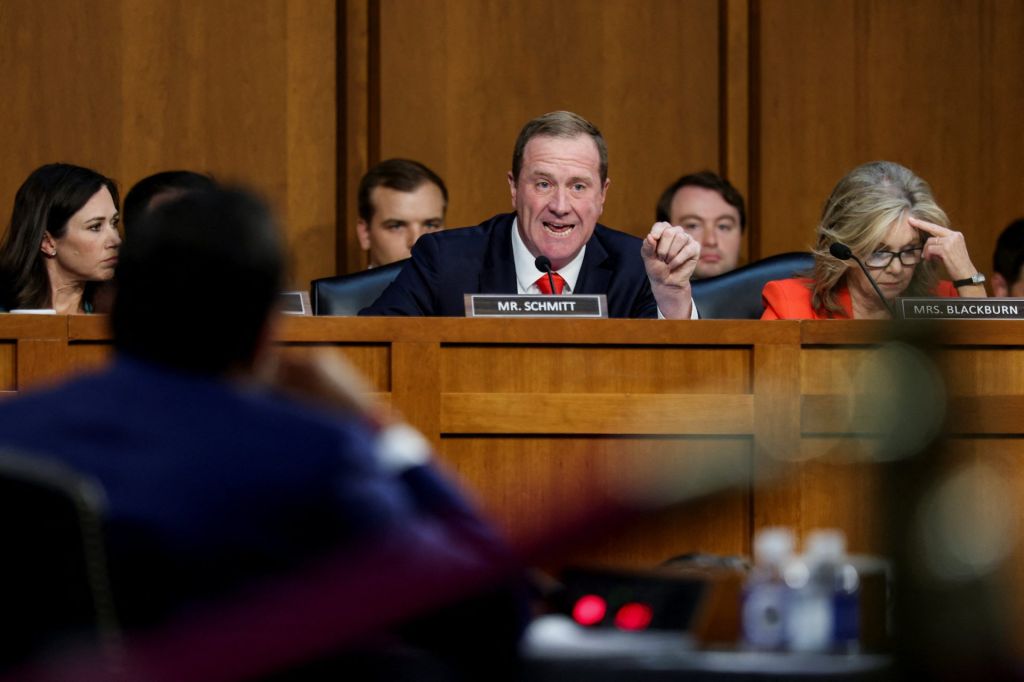
The Protect College Sports Act, a bill aimed at regulating revenue-sharing and name, image, and likeness (NIL) deals in college sports, has reached a resolution after months of negotiations between the SEC, Big Ten conferences, and senators Ted Cruz, Maria Cantwell, and Eric Schmitt. The final version of the bill, released on Tuesday, significantly increases the amount of money schools can pay players and introduces more restrictions on third-party NIL deals that might be utilized to circumvent the cap.
However, it does not criminalize cap circumvention violations. The bill creates a "retention pool" of up to $22.5 million that can be utilized across sports in conjunction with the revenue-sharing limit, and it permits players to engage in third-party NIL deals that serve a legitimate business purpose. The College Sports Commission, established by the bill, would be responsible for investigating and enforcing these rules.
It is important to note that U.S. law enforcement would not be involved in the process, and no new federal body would be created to decide penalties. If a school violates the rules, it could face suspensions, fines, or other sanctions designated by the CSC. Senate Majority Leader John Thune filed for cloture on Wednesday, initiating the first step towards a floor vote on the bill.
However, due to the Senate's upcoming recess on August 7, it is unlikely the vote will take place before then, possibly pushing the vote to September. The closer the bill gets to the midterm elections, the less likely it is to pass. If it does not reach President Donald Trump's desk before the end of the calendar year, it is considered dead.
Written by urgent.news from Front Office Sports's reporting — not their text. Machine-written — may contain errors; check the original before relying on it.