'Negative consequences for physical health': The importance of mastering literacy
Parents concerned about their children's latest NAPLAN results are being encouraged to foster a love of language at home.
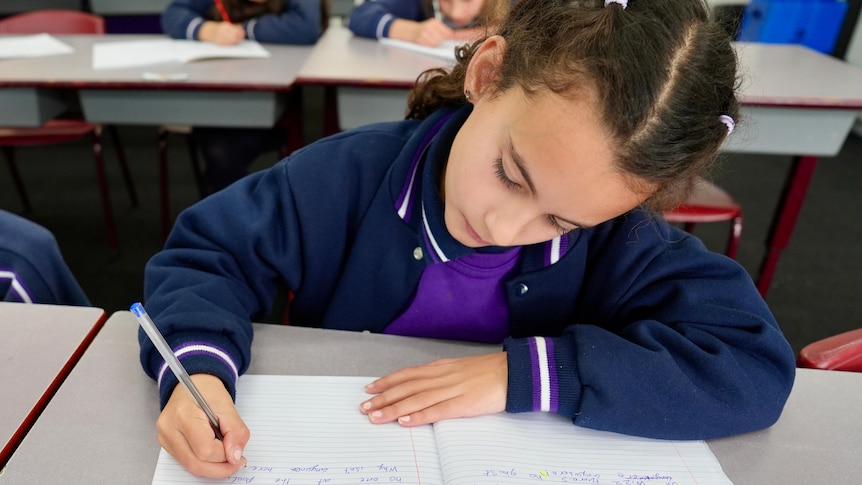
The National Assessment Program Literacy and Numeracy (NAPLAN) results for 2026 have shown significant disparities in foundational literacy and numeracy skills. Experts emphasize the need to consider these findings seriously, as poor literacy can lead to adverse financial and health outcomes later in life if not addressed early on.
National teaching reforms are currently underway, and some schools are already experiencing positive results. Professor Tanya Serry of La Trobe University notes that while a low NAPLAN score may cause parental stress, it is not cause for alarm, as it is merely a snapshot of a child's performance at a specific time. She stresses that NAPLAN is not a diagnostic tool and that a child's literacy skills may not remain at the same level.
Academic and OECD research indicates that low literacy skills are associated with poorer employment and health outcomes later in life, especially if not addressed early on. Low self-esteem is common among students with poor literacy skills, and some may leave school early, resulting in economic consequences such as underemployment or unemployment.
Moreover, there are negative consequences for both physical health and psychosocial wellbeing. Professor Serry cautions that these health issues may not affect everyone. Many Australian schools are adopting new teaching practices, which have shown positive results. Ardeer Primary School in Melbourne's west, for example, has achieved its best-ever NAPLAN results by implementing explicit teaching, a method in which teachers model the required skills and communicate learning intentions and success criteria.
This approach contrasts with the previously popular whole language model, which suggests that learning to read is a natural skill picked up by exposure to literature. Evidence from Australia, the USA, and the UK supports the effectiveness of explicit instruction practices. Teacher Annabelle Juhasz, who has been teaching at Ardeer Primary School for two years, believes that explicit teaching sets students up for success and has led to a more engaged and focused classroom environment.
Professor Serry advocates for this teaching approach at La Trobe University's Science of Language and Reading Lab and encourages parents to create linguistically rich environments at home to foster a love of language.
Written by urgent.news from ABC News AU's reporting — not their text. Machine-written — may contain errors; check the original before relying on it.