Michigan winemakers have a new climate worry: More wildfire smoke
While “smoke taint” from last month’s hazy skies isn’t an immediate threat, grape growers say it comes on the heels of a growing season already fraught with climate extremes.
Michigan's nearly $9 billion wine industry faces a new climate concern as wildfire smoke becomes more frequent due to global warming, reports IPR News. Kasey Wierzba, general manager and executive winemaker at Shady Lane Cellars in Suttons Bay, likened the vineyard's appearance to another planet when thick smoke blanketed the skies last month.
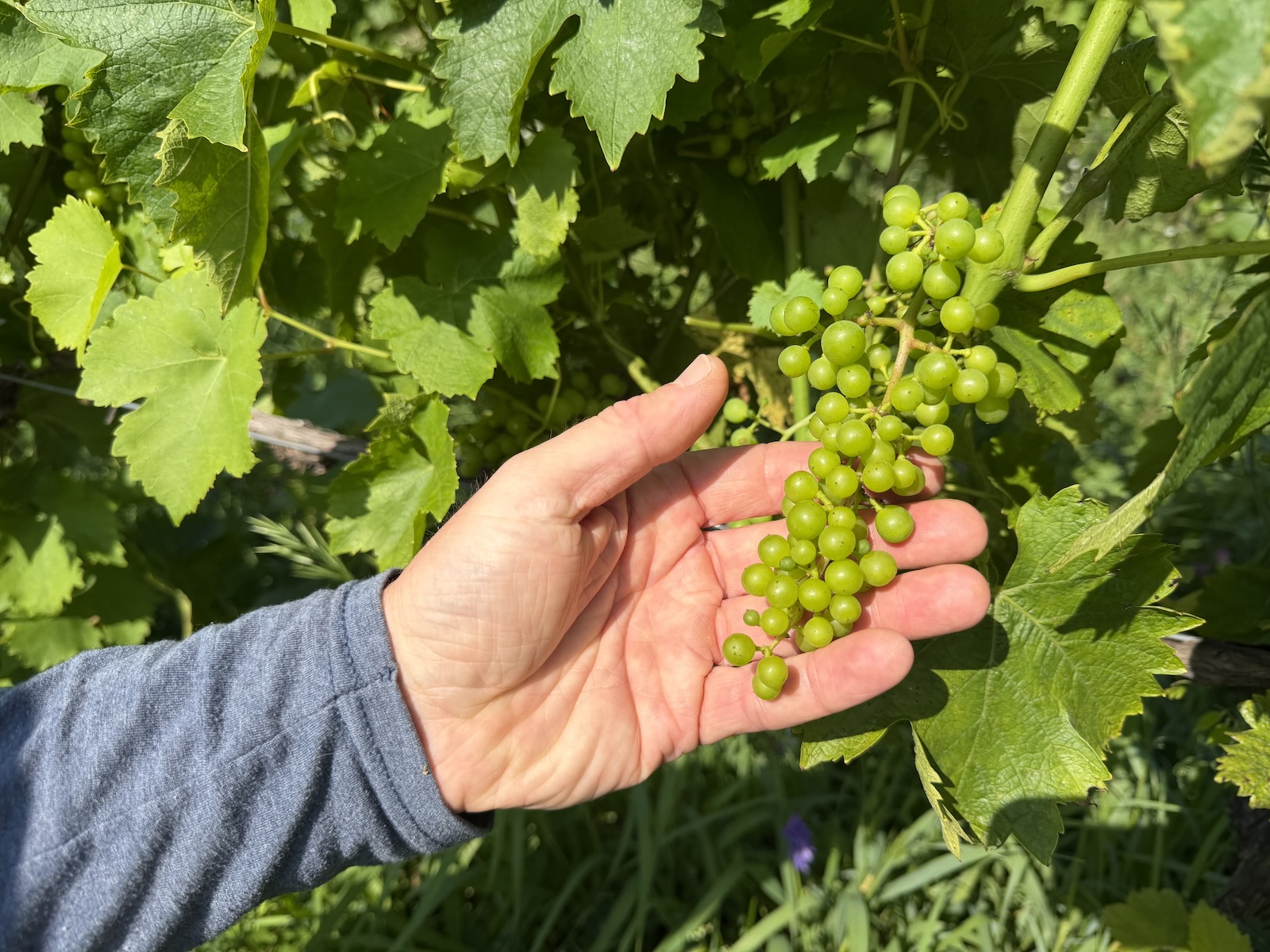
Though the worst wildfires were burning in Canada and Minnesota, the smoke didn't linger long and was still early in the growing season. Smoke taint, a phenomenon where grapes exposed to smoke develop unwanted flavors, can affect finished wines. The buckshot berry stage, where grapes resemble small pellets, was the condition Wierzba observed.
While she remains confident there won't be any impact on finished wines this year, she plans to test grape samples for smoke-related compounds. However, measuring damage before wine production is typically challenging, as smoke compounds only bind with grape skin and tissues during fermentation. Vineyard manager Andy Fles and winemaker Brian Hosmer report that Michigan growers are still benefiting from immature fruit stages, minimizing potential smoke damage.
The situation is increasingly concerning as climate change fuels hotter, drier summers, pushing wildfires closer to vineyards. In France, fires near Bordeaux have scorched over 160 square miles of forest, with ash falling directly on fruit. Experts predict the issue will persist, as wildfires and climate change will continue to impact wine regions.
Written by urgent.news from Grist's reporting — not their text. Machine-written — may contain errors; check the original before relying on it.