Meghalaya launches mission to protect clouded leopards
India supports one of the most important remaining populations of the feline, which is Meghalaya’s State animal
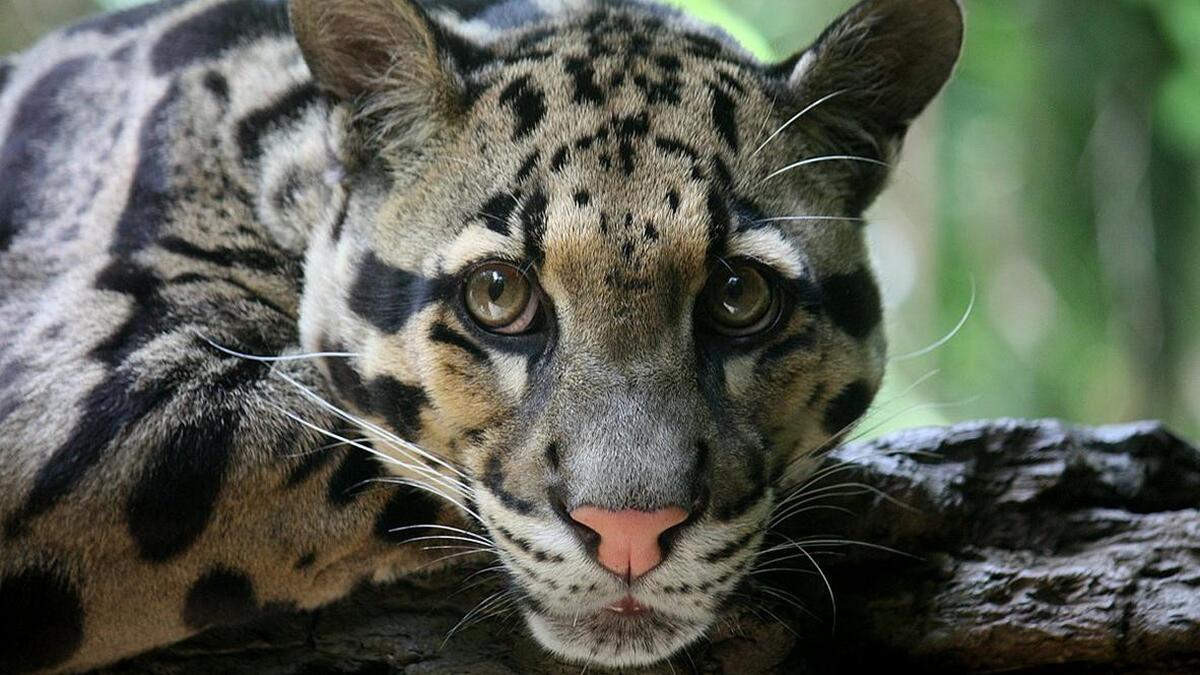
Meghalaya has inaugurated a dedicated initiative called Mission Clouded Leopard to safeguard its state animal, the mainland clouded leopard (Neofelis nebulosa). Chief Minister Conrad K. Sangma announced the program on August 4, 2026, detailing its objectives and mechanisms.
The clouded leopard inhabits community-managed forests and landscapes in Nokrek, Balpakram, Baghmara, Narpuh, and Nongkhyllem. The mission encompasses habitat preservation, scientific research, long-term monitoring, enhanced protection, landscape connectivity, staff training, community involvement, and public awareness. These efforts are guided by the Meghalaya Clouded Leopard Action Plan, currently being developed by the Forest and Environment Department.
An ongoing scientific assessment has identified 21 individuals of the clouded leopard in Balpakram National Park. This study will be expanded to cover all significant habitats in the state to establish a comprehensive population estimate. The species is categorized as "vulnerable" by the International Union for Conservation of Nature (IUCN) and is protected under Schedule I of the Wildlife (Protection) Act, 1972.
The Conservation Action Plan for the clouded leopard, alongside the caracal, fishing cat, and similar species, highlights the critical role of India in preserving this species. India hosts one of the most vital populations of the mainland clouded leopard, spanning Bhutan, Myanmar, Thailand, Peninsular Malaysia, and northeastern India. However, populations in Bangladesh, Vietnam, Taiwan, and vast regions of China have experienced severe declines, with several areas now facing local extinction.
Major threats to clouded leopards include habitat destruction, degradation, and fragmentation due to infrastructure development, agricultural expansion, mining, plantations, and human settlements. Illegal hunting and trade of their skins and body parts, prey scarcity, human disturbance, road construction, and climate change further complicate conservation efforts. The action plan aims to ensure viable, connected, and genetically diverse populations of clouded leopards while safeguarding their forest ecosystems.
Written by urgent.news from The Hindu's reporting — not their text. Machine-written — may contain errors; check the original before relying on it.