Mars dust is toxic. How will future astronauts deal with it?
Mars dust is known to contain various carcinogens, such as silica and numerous heavy metals. How will future astronauts mitigate the health risks?
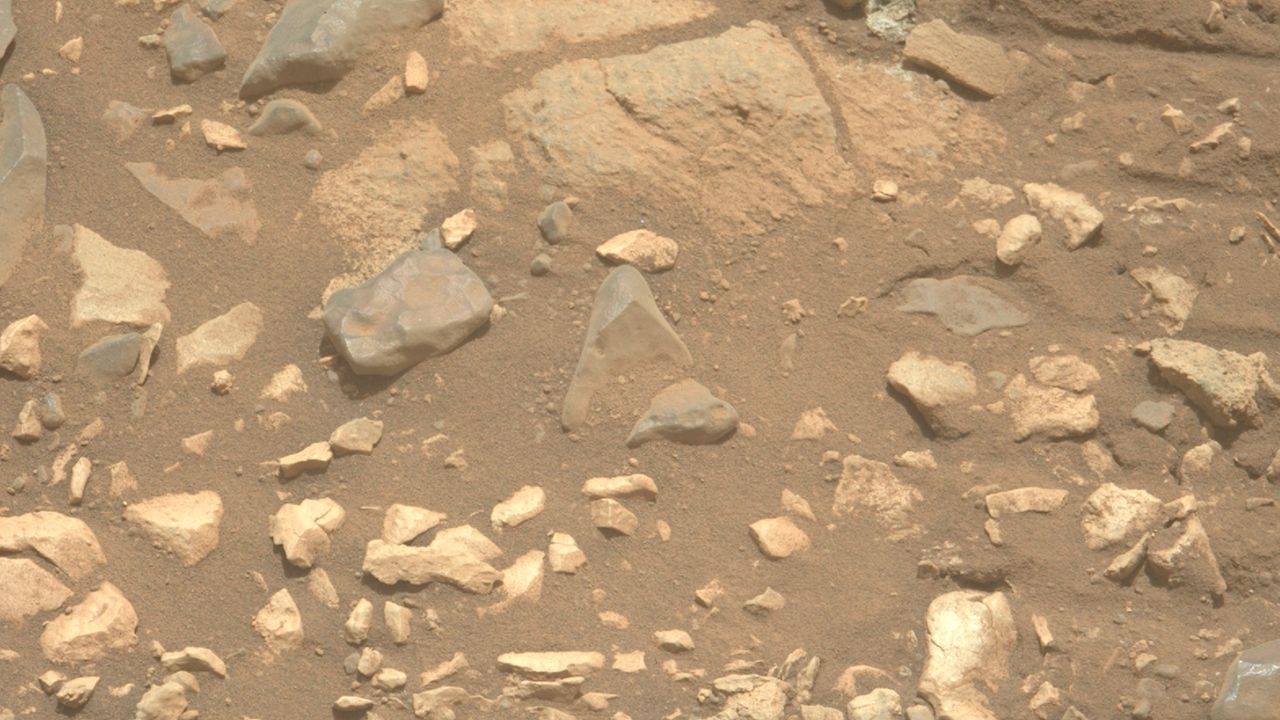
NASA has convened a Martian Dust Limit Working Group to address the issue of toxic dust on the Red Planet and its potential impact on future human explorers. The panel's goal is to establish a permissible exposure limit for astronauts by examining toxicological hazards, exposure pathways, and mitigation strategies. Brian Hynek, a panel member and professor at the University of Colorado, Boulder, explained that the study aimed to gauge health risks for both short-term and long-term missions to Mars.
Differences between the Moon and Mars play a significant role in this issue, Hynek noted. While the lunar dust was particularly troublesome for Apollo moonwalkers, Martian dust contains additional chemical components and minerals, including harmful perchlorates. However, the rounded nature of Martian dust particles makes them less jagged compared to lunar dust. Heavy metals, such as silica and numerous toxic elements, are also found in Martian dust.
Levine, a leading expert on lunar dust, emphasized that Mars dust poses more health risks than lunar dust due to its unique chemical composition. A National Academy of Sciences report highlighted two goals for Mars exploration: understanding the onset and evolution of major dust storms and characterizing the effects of Martian dust on human physiology and hardware lifetime. These findings indicate that Mars dust is a significant concern for mission planners.
Shaunna Morrison, a panel member and earth and planetary science professor at Rutgers University, stressed that addressing Mars dust as a design requirement is crucial for crew health and engineering. The concern is that future crews will be living and working in a closed habitat, frequently entering and exiting the habitat, and potentially bringing dust inside, creating a low-humidity environment conducive to airborne dust. This poses a risk of prolonged exposure to fine respirable particles during extended missions.
Written by urgent.news from Space.com's reporting — not their text. Machine-written — may contain errors; check the original before relying on it.