Labor has one big political test on migration
If stopping asylum seeker boats was the great immigration challenge in decades past, achieving a lower Net Overseas Migration (NOM) figure has become the new political test.
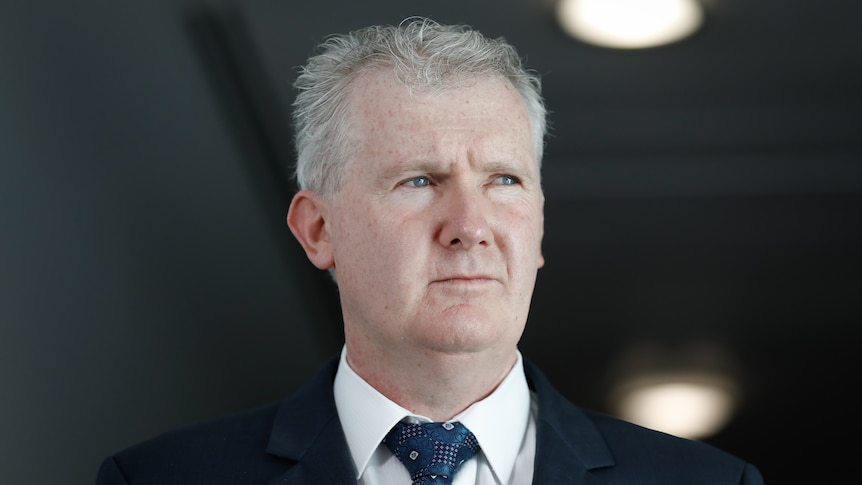
Labor faces a significant political test concerning immigration and migration policies. The party has pledged to control who comes to Australia and the circumstances of their arrival, a promise made by John Howard in 2001. However, the extent of government control over the immigration system remains limited. The Albanese government is seeking greater control over the system to reduce migration levels, but even then, not all aspects of the system can be directly controlled.
Factors like demand-driven immigration, such as temporary skilled workers, working holiday visas, and family reunion visas, are beyond the government's direct control. While the government can change some conditions, there are no hard caps on the number of visas issued each year. The net overseas migration figure, which includes various categories, has fallen significantly from its post-COVID high but still overshoots budget forecasts.
Missing this target is seen as a serious failure, and Labor knows it must address it before the next election in 2028. Home Affairs Minister Tony Burke, responsible for outlining reforms to the system, postponed a scheduled speech due to unfinished policy details. The proposed reforms include stricter measures against asylum seeker work and appeal rights, limiting the number of backpackers who can extend their stays, and banning family visa applications while in Australia.
These changes pose risks, both politically and economically, particularly if they affect the family reunion program, which is considered successful. Balancing these measures while maintaining public support will be a significant challenge for Labor.
Written by urgent.news from ABC News AU's reporting — not their text. Machine-written — may contain errors; check the original before relying on it.