Is Elon Musk’s master plan with SpaceX to have rockets replace planes for global cargo delivery?
SpaceX is targeting government and defense customers who need cargo fast. It will need to figure out where to land.
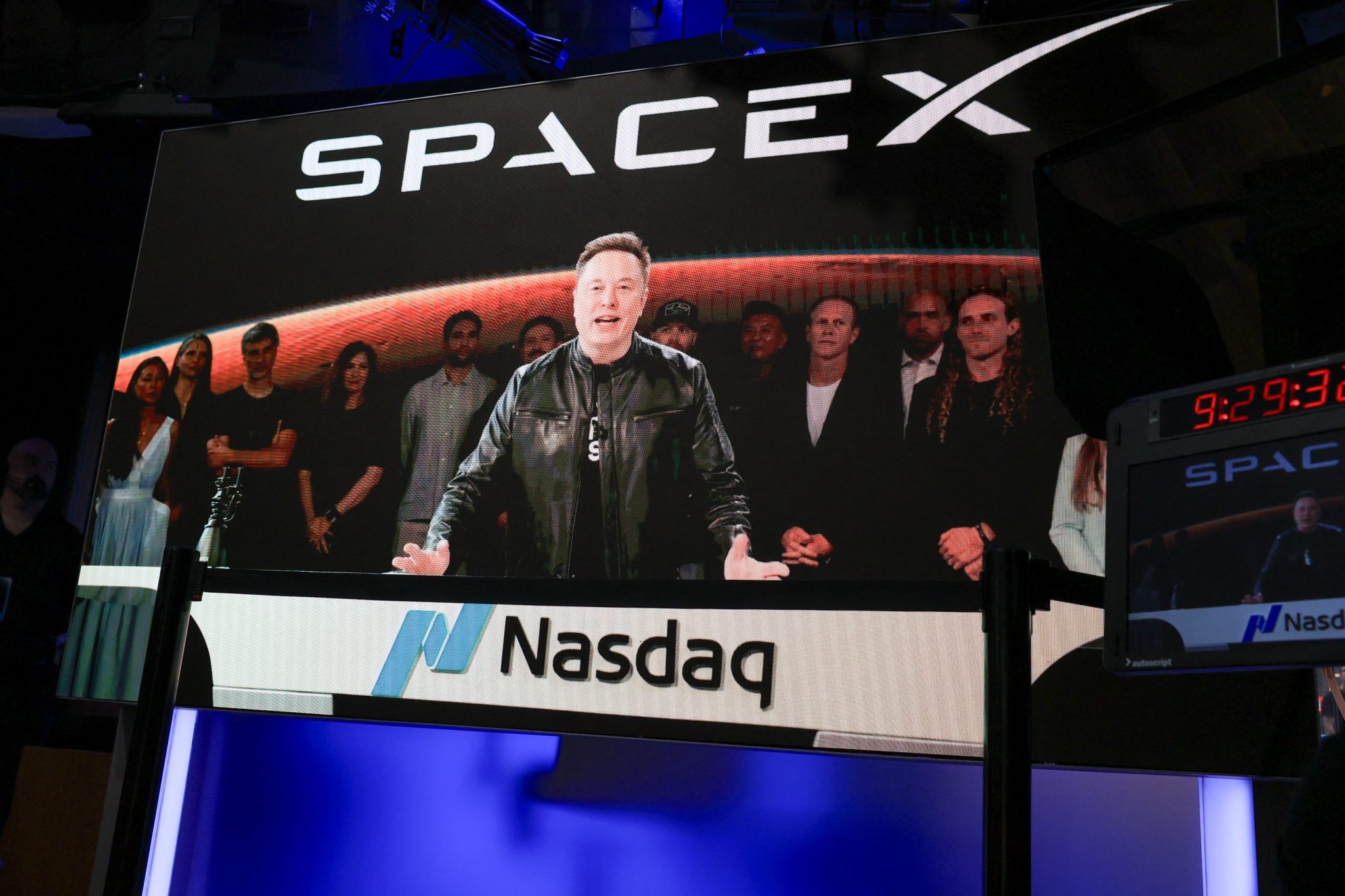
SpaceX, the aerospace manufacturer led by Elon Musk, has recently announced a project aimed at utilizing its rockets for delivering cargo around the globe in record time. This initiative, known as Starfall, is expected to revolutionize the way goods are transported, potentially offering ultrafast emergency transport options for critical medical products, disaster relief, and defense support. However, before this can become a reality, several challenges must be addressed.
The primary purpose of the Starfall mission, as outlined in a Federal Aviation Administration document, is to create a rapid global cargo delivery system and to facilitate cargo transport to and from space. This could pave the way for future in-space manufacturing opportunities that leverage the unique conditions of microgravity and the vacuum of space. While SpaceX has already been delivering cargo to the International Space Station, the Starfall project operates on a different scale and timeline.
One of the significant differences between orbital cargo transport and traditional supersonic passenger travel, such as the Concorde, lies in the customer base. While the Concorde served commercial airlines and passengers, the Starfall system would primarily benefit government and defense sectors that require rapid delivery of goods.
It's unlikely that orbital cargo transport will replace conventional transportation methods like sea shipping or air freight, but rather, it will offer a new option for ultrafast emergency transport.
However, there are several technical and logistical challenges that SpaceX must overcome to make this project a success. Unlike traditional air or ocean transport, orbital transport involves overcoming Earth's gravity, which leads to severe vibrations and high-G forces during both launch and reentry. Delicate electronics, fragile calibration tools, and volatile medical supplies may require specialized casings or qualification to withstand these forces.
Additionally, a reliable and efficient orbital cargo network would need to be established, including launch and landing sites, payload loading and unloading systems, and the number of rockets to be built.
The short timelines required for some types of cargo missions would necessitate a system capable of launching with minimal advance notice, unlike the periodic schedules of ISS resupply missions. While many technical and logistical challenges exist, ongoing efforts by experts in industry and academia suggest that these hurdles can be overcome over time. If engineers can carefully consider the logistical challenges early on, orbital cargo transport could open up new opportunities in transportation and the space economy.
Written by urgent.news from Fortune's reporting — not their text. Machine-written — may contain errors; check the original before relying on it.