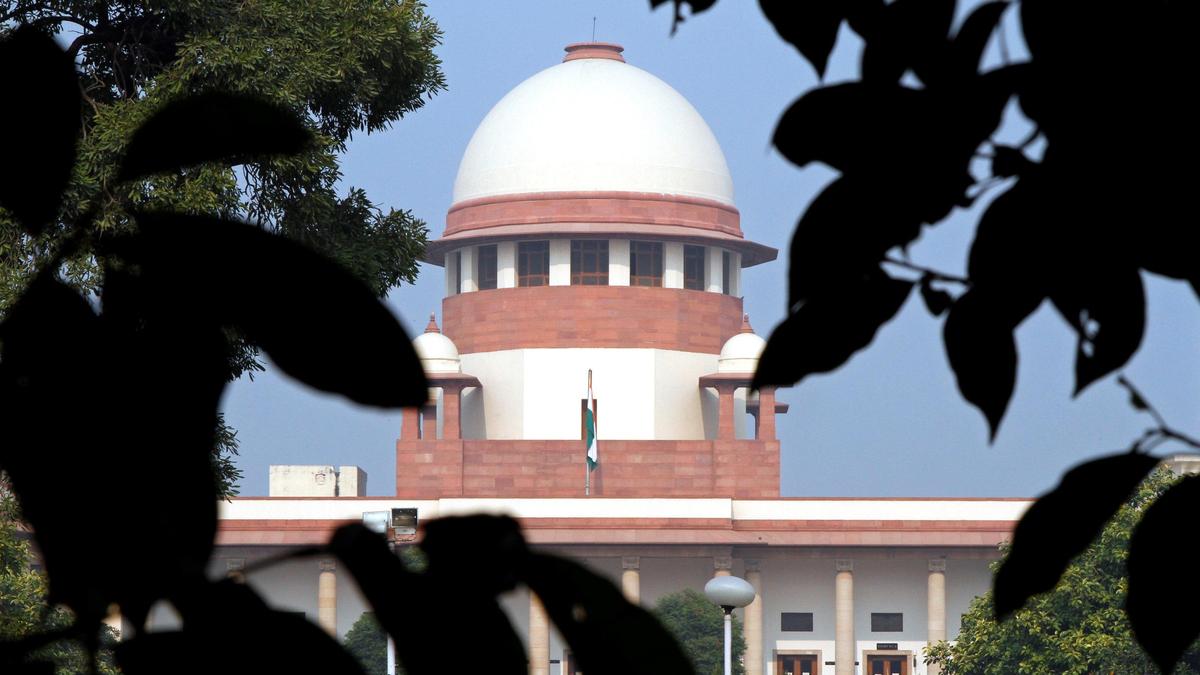
Is abusive language a criminal offence in India? | Explained
The registration of FIRs over allegedly abusive language during a protest has renewed attention on when the Bharatiya Nyaya Sanhita (BNS) criminalises abusive speech and how courts have interpreted such cases
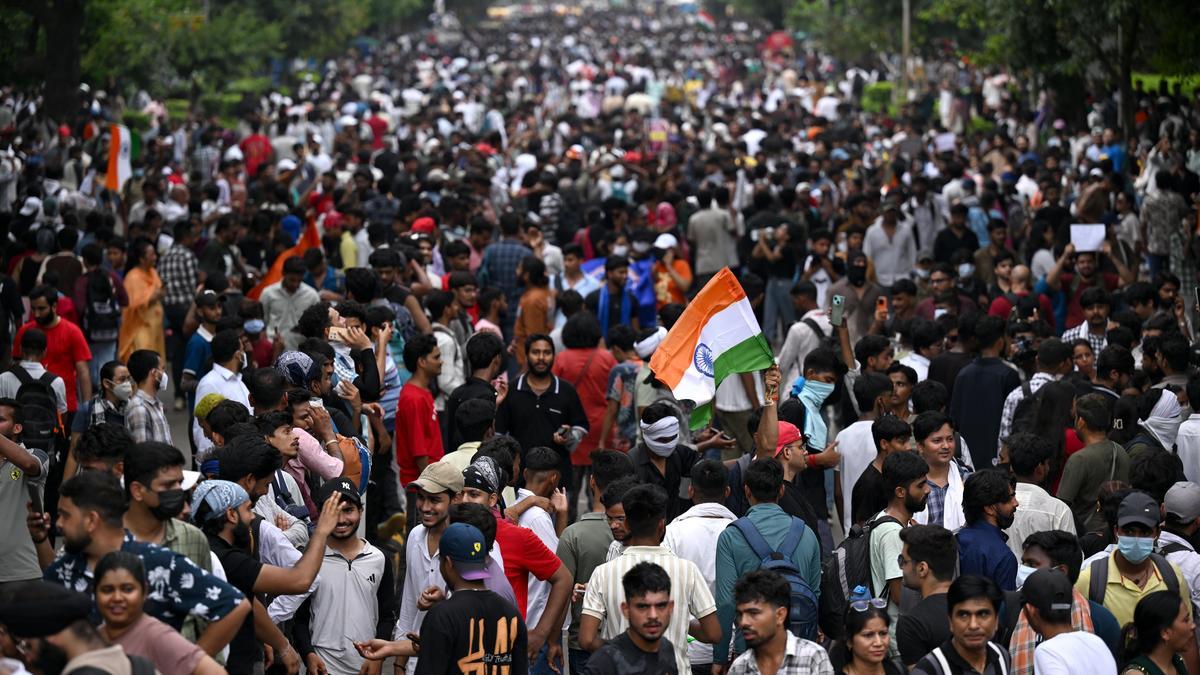
A recent incident at Jantar Mantar has led to multiple FIRs being registered against protesters for allegedly using abusive and objectionable language. One of these FIRs was lodged at the Expressway Police Station in Uttar Pradesh, where a Ghaziabad resident complained. This case brings up the legal question of whether abusive language itself is a criminal offence in India.
India's legal framework does not criminalise abusive language as a standalone offence. The relevant sections under the Bharatiya Nyaya Sanhita (BNS) include Section 352, which penalises intentional insults made with the intention to provoke a breach of peace. However, mere abusive language without such intent does not attract this section. Section 353 deals with statements made with the intent to cause public mischief, while Section 356(1) covers criminal defamation when a person intends to harm another's reputation.
Exceptions to these provisions exist, such as true imputations made for the public good or fair criticism of public servants. The Supreme Court's recent decision in the State of Telangana v. Nalla Balu case sets a precedent that police cannot indiscriminately register FIRs based on offensive social media posts or speeches. Instead, an FIR should only be registered if there is prima facie evidence that the speech incites violence, hatred, or public disorder.
The Supreme Court has previously ruled that mere annoyance or offence caused by abusive language does not constitute a permissible ground to restrict free speech under Article 19(1)(a) of the Constitution. Only speech that incites imminent violence or public disorder is criminalised. Distinctions have also been drawn between obscenity and mere abuse or vulgarity, with obscenity defined by the ingredients of lasciviousness, prurient interest, and propensity to corrupt impressionable minds.
Written by urgent.news from The Hindu's reporting — not their text. Machine-written — may contain errors; check the original before relying on it.