Inside the punishing conditions Carnival crew face on cruise ships
Passengers boarding a Carnival cruise ship are promised a world of endless food, relaxation and oceanic luxury. But for the crew who make these escapes possible, life is vastly different.
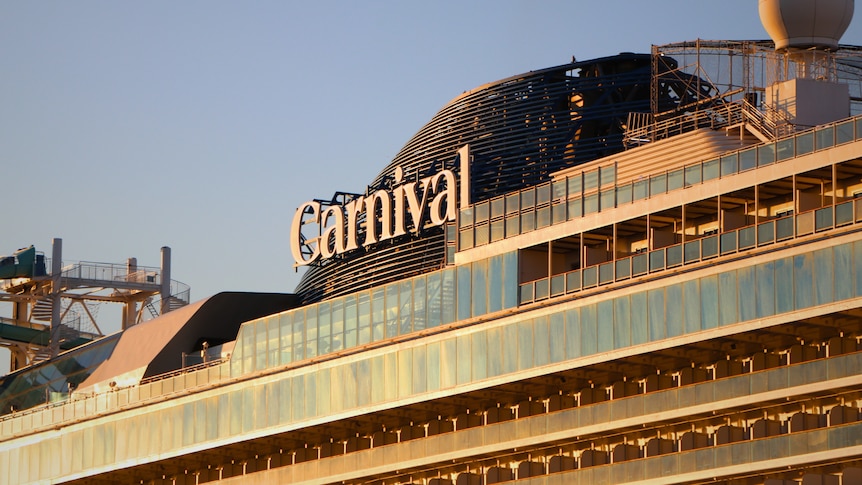
Crew members of Carnival cruise ships have expressed distressing conditions, revealing inadequate pay and harsh working environments. A provision exempting cruise ships from Australian labor laws offers little protection to the workers. The government is set to review these laws in 2023, though the results are not yet disclosed. Despite the promises of endless food, relaxation, and luxury, a closer look at the crew's lives reveals a starkly different reality.
Interviewees on the ABC's investigation reported eating spoiled leftovers, enduring excessive work hours, and receiving neglectful medical care while aboard the luxury vessels. Carnival Corporation, the parent company of these ships, operates over 90 ships, three of which are based in Australia. These workers are required to work 12 hours a day, seven days a week for nearly nine months on their contracts.
One crew member, Queen Onuoha, shared her experience working as a beauty specialist on the Carnival Adventure and Encounter, mentioning she often worked 14-hour shifts. She resorted to buying caffeine tablets to maintain wakefulness. Evidence showed a worker earning as low as $23.26 a day in a 2025 contract, equating to only $2.75 an hour, occasionally supplemented by tips. The Maritime Union of Australia has received numerous complaints about substandard living and work conditions over the past year.
Carnival's response to these allegations is defensive. A spokesperson stated, "Carnival has nothing to hide." The company boasts of gourmet meals, ranging from Masala Tiger to Mongolian Wok, but the crew's food was described as "horrible" and mostly consisted of leftovers from passengers. The same food was sometimes recycled and served to crew members again. Delilah, a housekeeper, recounted how they would take leftovers, refrigerate them, reheat, and serve them to the crew, often leading to gastrointestinal issues.
The water supply, shared with passengers, was deemed unsafe by some crew members who observed tiny red worms in it. Bottled water, bought at $10 a week, was rationed to just two bottles a day. Uniforms and internet costs were also personal expenses, amounting to about $70 a month. Living quarters often housed four people, fostering the spread of fungal infections like ringworm.
Crew members reported feeling chronically ill or injured, with management prioritizing quick returns to work over their health. Refusal to work while sick led to punitive measures, with staff being forced to work even while docked in Brisbane.
Written by urgent.news from ABC News AU's reporting — not their text. Machine-written — may contain errors; check the original before relying on it.