How new findings on ovarian cancer origins may help reduce risk
One of the deadliest forms of cancer for women may not start where we once believed. Researchers now know nearly all fatal ovarian cancers begin in the fallopian tubes, not the ovaries. Stephanie Sy discusses with Dr. Rebecca Stone, a professor in the Johns Hopkins Department of Gynecology and Obstetrics, how this understanding is important for patient care.
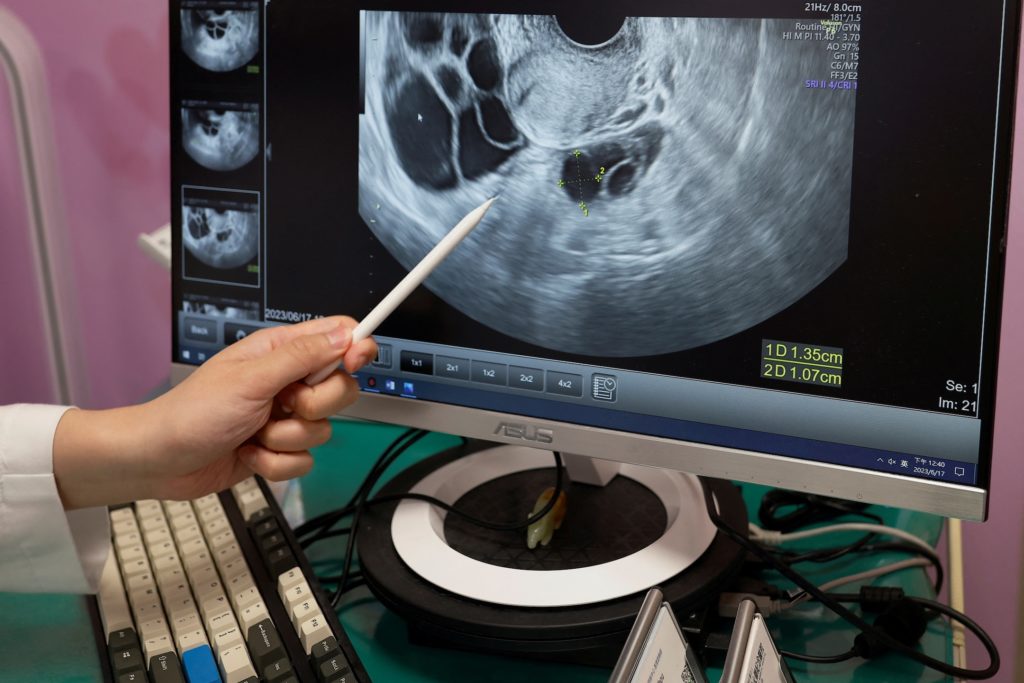
One of the deadliest forms of cancer for women may not originate in the ovaries, as previously believed. Researchers now understand that nearly all fatal ovarian cancers develop in the fallopian tubes. This discovery has significant implications for patient care and cancer prevention. Dr. Rebecca Stone, a professor at Johns Hopkins University, explains that when women who have completed their family planning undergo surgery for unrelated issues, such as a hernia repair, they can opt to remove their fallopian tubes.
This procedure, called salpingectomy, has been shown to reduce the risk of tubo-ovarian cancer by at least 50%, with some studies indicating a risk reduction of up to 80%. However, there remains a lack of public awareness about this option, as well as limited insurance coverage for fallopian tube removal. Dr. Stone emphasizes the importance of universal awareness and access to this preventive measure, which could potentially save nearly 2,000 lives annually in the United States.
Written by urgent.news from PBS NewsHour Health's reporting — not their text. Machine-written — may contain errors; check the original before relying on it.
This story
This is one outlet's version. Read the fullest account.