How Harlem and Jamaica Inspired the Music of Harry Belafonte
The cultivation of sweet-tasting foodstuffs has shaped Caribbean history for five hundred years. And in the late 1800s, after slavery’s end in the British islands, sugar was joined by another cash crop for which a market was fast emerging up
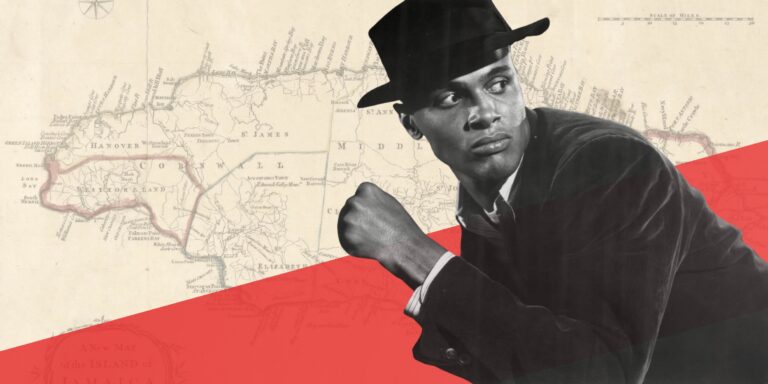
Harlem and Jamaica played significant roles in shaping the music of Harry Belafonte. The cultivation of sweet-tasting food crops, like bananas, shaped the Caribbean history for centuries. In the late 1800s, bananas became a popular cash crop in the British islands and were promoted in the United States through advertising campaigns during the 1920s and 1930s.
Harry Belafonte, who grew up in Harlem, was deeply influenced by his experiences in Jamaica during his early years. He fondly remembered the nature and people of Jamaica, stating that "nature sang, and the people sang, too." Belafonte's grandmother, Jane Love, provided an affectionate environment during his first island sojourns, which helped him navigate between races and classes as an adult.
Jamaica's rich history, influenced by African slaves and various European and Levantine groups, is reflected in the music of Bob Marley, another prominent figure from the island. Marley, like Belafonte, had a mixed-race heritage and grew up in Saint Ann Parish, Jamaica. Both Belafonte and Marley's music echoed the experiences of the Triangle Trade and the struggles of the people they grew up with.
Written by urgent.news from Literary Hub's reporting — not their text. Machine-written — may contain errors; check the original before relying on it.