Helmet choice is pivotal to time trial aerodynamics – I'm an aero consultant, and this is why and how to get it right
It’s not just about having a flat back; it’s the way the helmet integrates with the frontal area as a system - shoulders and back included
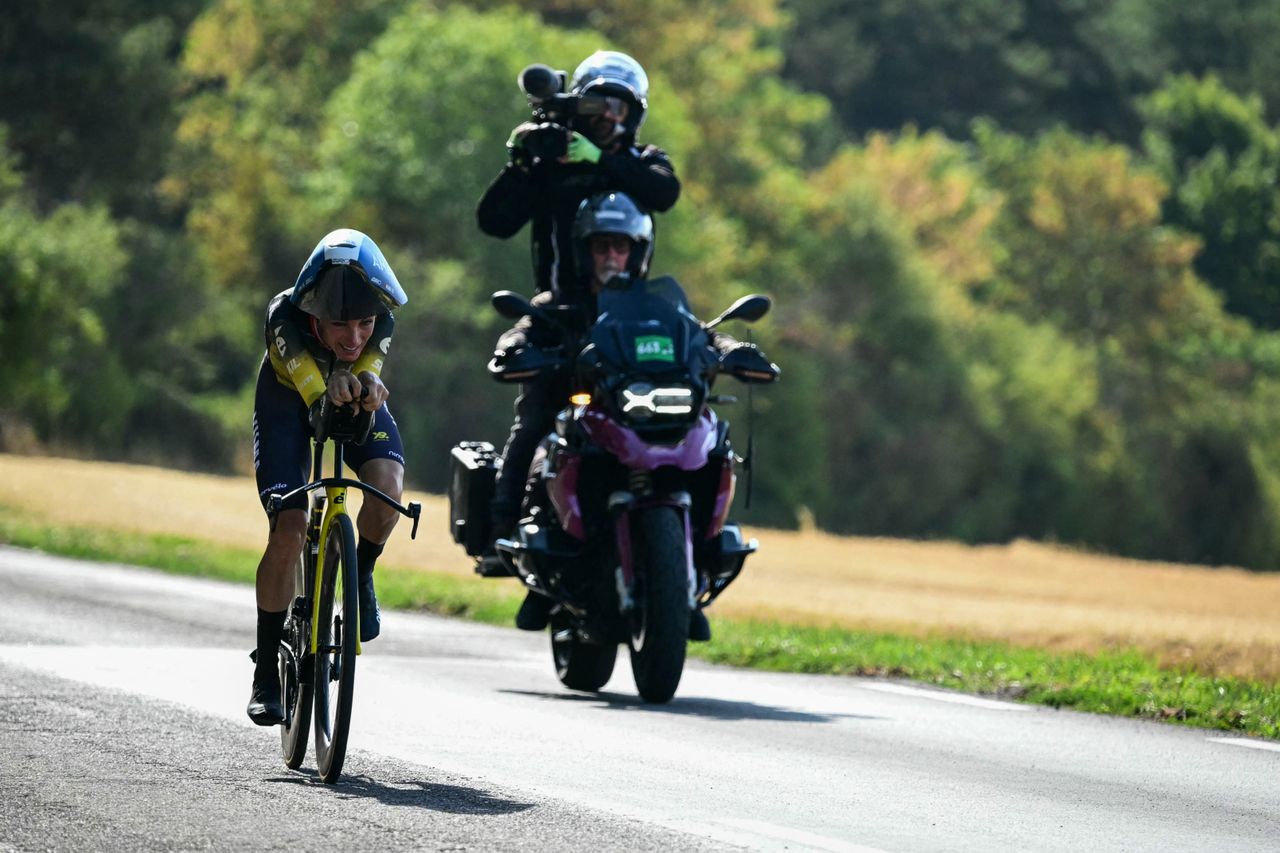
Aero consultant Pauline Ferrand-Prévot highlighted the importance of helmet choice in time trial aerodynamics, explaining how her choice of the Giro Aerohead II helmet negatively impacted her performance during the Tour de France Femmes avec Zwift title defence. The large, bulbous helmet, wider than her shoulders, did not complement her position on the bike, creating a less aerodynamic silhouette compared to her competitors.
Ferrand-Prévot, who had not raced a time trial in over five years, acknowledged that she was starting from a disadvantage. The Giro Aerohead II, a popular time trial helmet, has proven fast for many riders, but its performance can vary depending on the rider's position. Helmet design trends in recent years have focused on large flared designs and visors, aiming to create a more streamlined profile.
However, these designs may not suit all riders, as individual body shapes and riding positions can affect their effectiveness. Although some teams allow riders to choose their own helmets, the best option often depends on the rider's specific needs and preferences.
Written by urgent.news from Cycling Weekly's reporting — not their text. Machine-written — may contain errors; check the original before relying on it.