Hated in Myanmar, feted abroad? President inches towards normality with Thailand trip
Sanctioned and wanted for war crimes in the West and reviled at home by the millions fighting his army, Myanmar’s leader Min Aung Hlaing is this week set for a red-carpet welcome in Thailand, as the diplomatic deep freeze begins to thaw. The former general toppled Aung San Suu Kyi’s elected government in a 2021 coup, sparking a civil war that has killed an estimated 100,000 people – mostly…
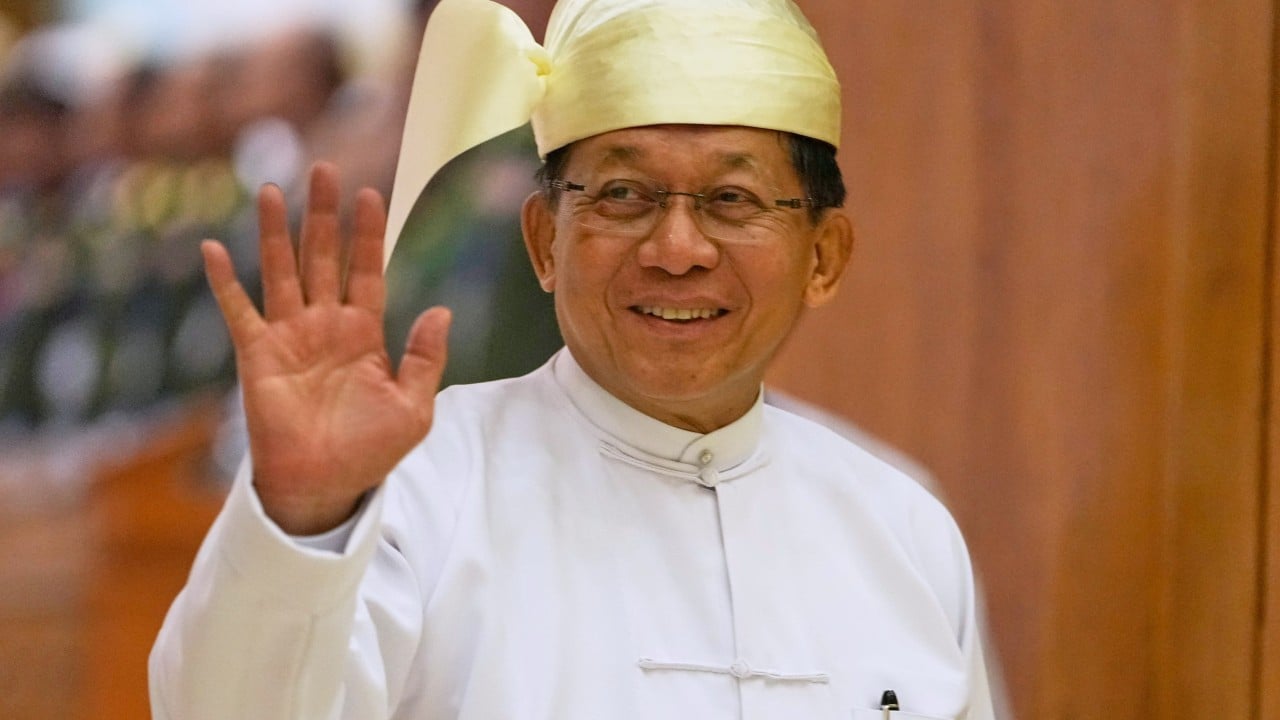
Myanmar's President Min Aung Hlaing, wanted for war crimes and reviled domestically, is set to receive a ceremonial welcome in Thailand this week as diplomatic tensions between the two nations begin to ease. The former military general ousted Aung San Suu Kyi's government in a 2021 coup, which has led to a civil war that has claimed an estimated 100,000 lives and devastated the country's economy.
Aung San Suu Kyi, a champion of democracy, was spotted in public on Monday for the first time in over two years, providing a striking image amid the political upheaval.
Thailand's Prime Minister Anutin Charnvirakul recently called for a "calibrated re-engagement" with Myanmar, recognizing the need to address cross-border issues such as scams, toxic pollution, and the economy. The Association of Southeast Asian Nations (ASEAN) still bars Myanmar from its full summits, maintaining a five-point agreement that demands the country cease its violent campaign against civilians.
However, President Hlaing, buoyed by his presidency and the military's territorial gains, has largely ignored this consensus.
Thai experts argue that Thailand's approach is pragmatic, balancing practical cooperation on issues directly impacting the nation while nominally supporting the five-point consensus. This strategy allows Bangkok to engage with Naypyidaw on matters that directly affect it, while simultaneously enhancing the president's image as he takes his first state visit to Thailand since the coup.
Thailand is also exploring its potential role as a bridgehead back into ASEAN for Myanmar, given the region's reluctance to isolate a government firmly entrenched in power.
Despite these diplomatic overtures, human rights advocates remain critical of President Hlaing's policies, emphasizing that engaging with him does not equate to holding him accountable for widespread human rights abuses. They argue that any engagement should be accompanied by a demand for an end to attacks on civilians and an end to the genocide of the Rohingya Muslim minority, for which he is wanted by the International Criminal Court and sanctioned by the US, UK, and EU.
While Thailand's gradual re-engagement with Myanmar may be a logical step given the nation's long-standing military ties, the political reality remains grim for President Hlaing within Myanmar. Human rights violations continue unabated, and much of the country, including border regions, remains beyond the control of the Naypyidaw government. Thus, despite the international optics of a president receiving a red-carpet welcome, the reality on the ground for the people of Myanmar remains bleak and unchanged.
Written by urgent.news from South China Morning Post's reporting — not their text. Machine-written — may contain errors; check the original before relying on it.
Also reported by 1 other outlet
- Thailand throws Myanmar's Min Aung Hlaing a diplomatic lifeline asia.nikkei.com