Greece is using thermal satellites to spot wildfires before people do
The system is built around four small satellites that fly in low Earth orbit and repeatedly pass over the same areas. Developed by German firm OroraTech in partnership with the Hellenic Space Centre, the constellation is designed specifically to detect fires and hotspots rather than serve as a general Earth... Read Entire Article
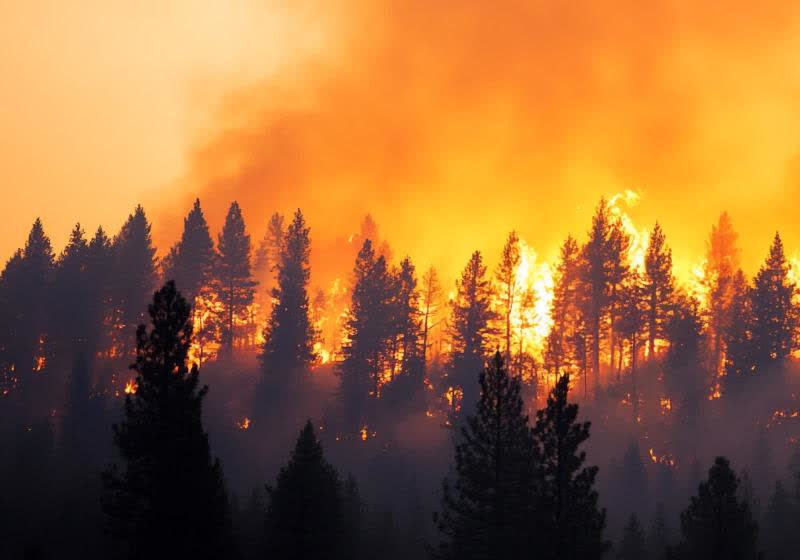
Greece is utilizing space-based technology to detect wildfires earlier and more accurately. A new thermal satellite network, called the Hellenic Fire System, is being deployed to provide early detection and an initial assessment of fire behavior. The system consists of four small satellites orbiting the Earth in low Earth orbit, which repeatedly pass over the same areas to detect heat sources as small as 4 by 4 meters.
The satellites process images onboard and send down relevant fire data to teams on the ground. Another layer of software checks whether each signal represents a real fire and uses information about the terrain and heat source intensity to estimate fire spread. The system addresses optical cameras' weakness in heavy-fire conditions by detecting heat through smoke, providing a clearer picture of fire fronts and hotspots in poor visibility conditions.
While satellites have been used for fire monitoring in the past, most systems were built for broad environmental imaging and operate at higher altitudes. This often results in a trade-off between frequent imaging and sensitivity to small fires. The Hellenic Fire System aims to shift this balance toward Greece's needs by using a dedicated constellation and coordinated orbits, allowing for more frequent monitoring of high-risk regions while still detecting smaller hotspots.
However, the success of the system depends on firefighter adoption. The fire brigade is accustomed to traditional technology, so crews need to be trained on how to process and incorporate new thermal data into their decision-making. Once fully operational in September, the Hellenic Fire System could enable earlier responses to wildfires, detect smaller hotspots, and improve overall wildfire management in Greece.
Written by urgent.news from TechSpot's reporting — not their text. Machine-written — may contain errors; check the original before relying on it.