From wealth transfer to living legacy: How Asia’s founders are architecting the future
[The content of this article has been produced by our advertising partner.] Asia is on the precipice of a monumental economic shift. By 2030, an estimated US$5.8 trillion of wealth is expected to pass from the region’s founding generations to their successors. In today’s world, wealth is rarely held in one place or one form. Families increasingly live cross-border lives with complex corporate…
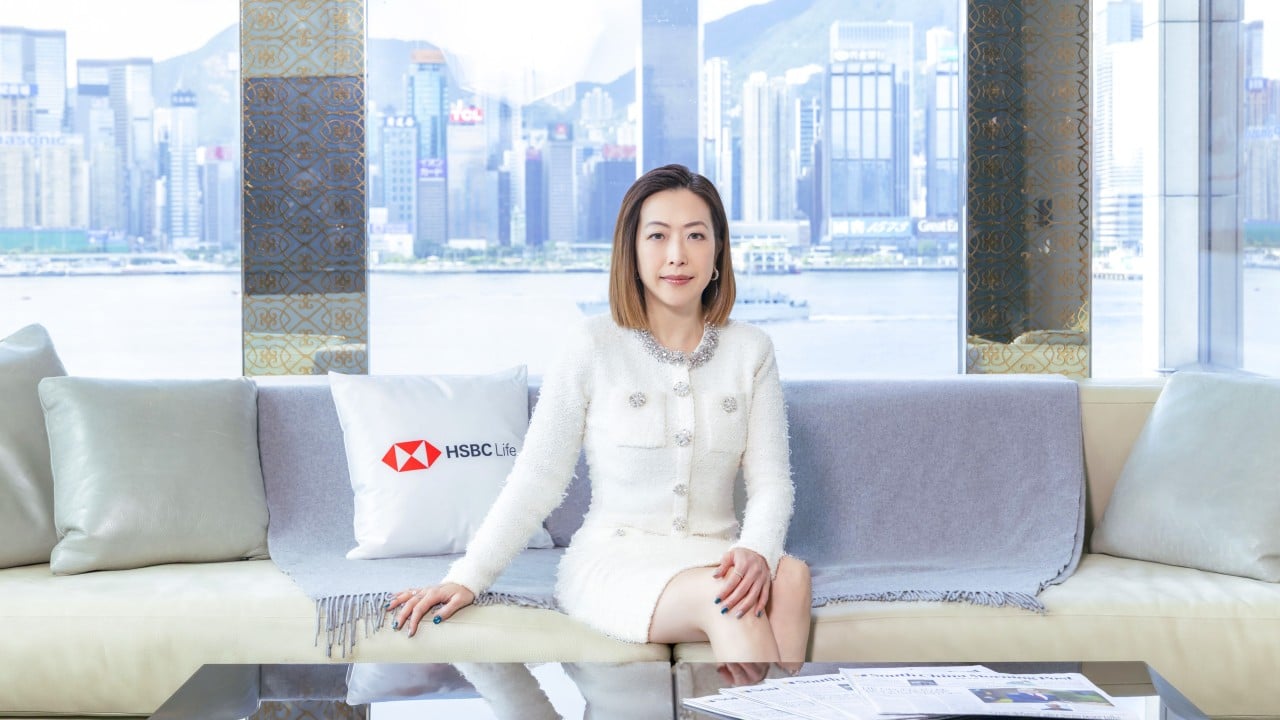
Asia is on the verge of a major economic transformation, with an estimated US$5.8 trillion in wealth anticipated to transfer from the founding generations to their successors by 2030. However, this wealth transfer brings significant challenges, as families often live across international borders with intricate corporate holdings, making succession planning complex and fraught with difficulties. This was the central theme discussed at the inaugural Legacy Continuum Summit held by HSBC Life in Hong Kong.
The summit underscored that modern succession planning must not only protect financial portfolios but also address human capital, family values, and long-term health. According to Daisy Tsang, Co-CEO of Insurance at HSBC, "Legacy planning has become a matter of continuity. In a cross-border world, good intentions are no longer enough. Structure, expertise, and action are needed."
Despite the impending wealth transfer, readiness remains alarmingly low, with a recent HSBC Life study revealing that around 70% of high-net-worth (HNW) individuals in Hong Kong and Mainland China have yet to establish formal legacy plans. The primary reason cited was a lack of information and the daunting task of coordinating multiple advisers across legal, tax, and family governance issues.
The study also found that 71% of respondents in Hong Kong and 69% in Mainland China felt paralyzed by these complexities, risking defaulting to default inheritance laws that may not align with their intentions.
The research also revealed divergent regional approaches to legacy planning. Hong Kong's HNW families tend to prioritize capital preservation and stability, safeguarding what has been built over generations. In contrast, many Mainland Chinese wealth creators are preparing for their first major intergenerational handover, focusing strongly on growth but also anxiously concerned about potential misuse of sudden wealth by heirs.
To cater to these differing needs, life insurance has become one of the preferred legacy planning tools, offering liquidity, privacy, and governance benefits, especially in times of need when assets may be difficult to liquidate without adverse effects.
Looking beyond financial assets, modern founders increasingly view legacy through broader lenses. Family values and maintaining a strong family culture are seen as equally critical to transferring capital. This perspective was reinforced by special guest Yao Ming, Chairman of the YAO Foundation, who emphasized that a family’s true standing is built through consistent behavior and deeds, not just financial wealth.
The definition of a lasting legacy has also expanded to encompass physical health, with summit discussions highlighting the importance of managing family health with the same rigor as financial wealth, especially in light of climate-related risks impacting chronic diseases. HSBC Life is responding to these evolving needs by positioning itself as a "Master Architect," integrating insurance, advisory, health, and heritage services into a unified ecosystem.
The company's recent introduction of the HSBC Luminous Global Insurance Plan, along with additional value-added services, aims to provide a comprehensive legacy advisory ecosystem that supports clients throughout their lives. This integrated approach is backed by HSBC Life's strong market standing, having been named the World’s Best Insurance Provider for Wealth Management in the Euromoney Private Banking Awards 2026.
As Asia prepares for the next wave of wealth transfer, institutions that can effectively translate intentions into tangible, enduring legacies will be the ones to stand out.
Written by urgent.news from SCMP Business's reporting — not their text. Machine-written — may contain errors; check the original before relying on it.