Forget Neuralink. This startup thinks your tongue is the better interface
Tomás Vega went to Neuralink, the Elon Musk-founded startup, to work on the highest-bandwidth human-machine interface possible to liberate people from their disabilities. Then he left because he couldn’t wait for it. Vega, who has stuttered since he was a kid, believes implantable brain-computer interfaces and artificial intelligence will change the lives of disabled people in the future. But he…
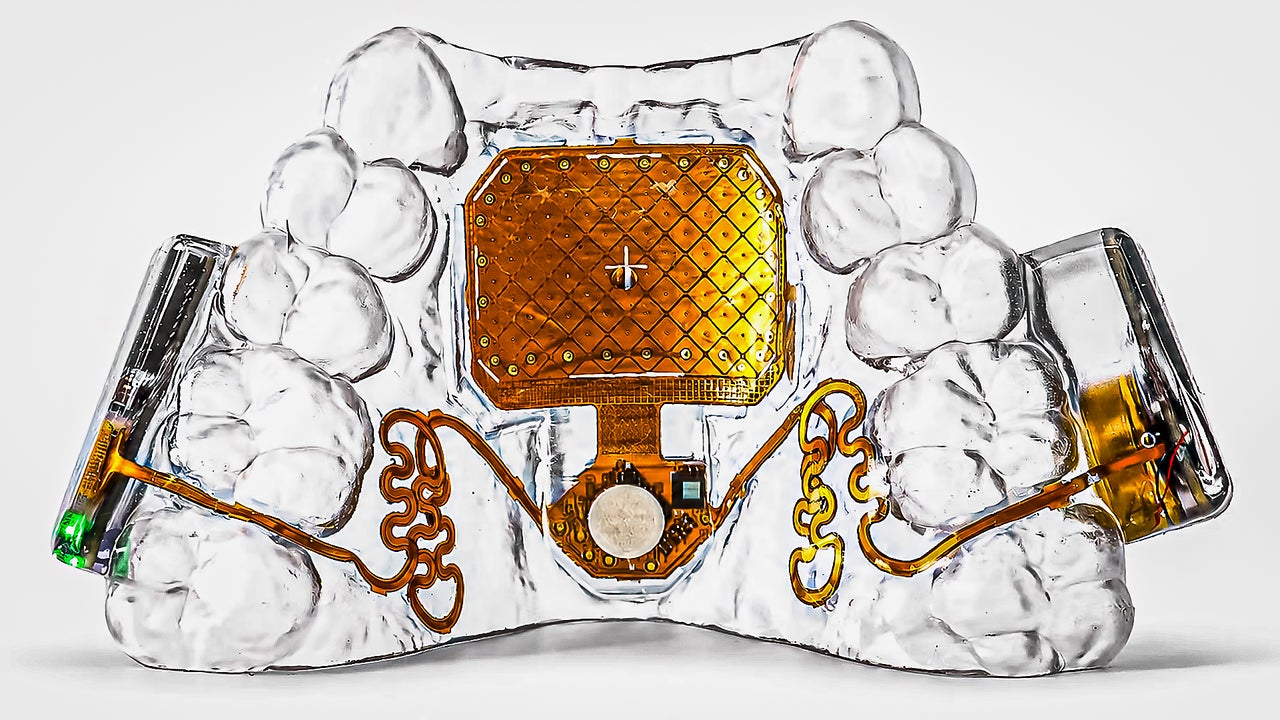
Tomás Vega, who has stuttered since childhood, left Neuralink to create an alternative assistive technology. Vega, co-founder of Augmental, believes that high-bandwidth human-machine interfaces can be achieved without invasive brain-computer interfaces. The result of his efforts is MouthPad, a device that utilizes the user's tongue as a control mechanism.
MouthPad functions similarly to a retainer with a golden capacitive trackpad at its center. A tongue press generates a left-click while a sip creates a right-click. In tongue-control mode, the user's tongue location acts as a virtual joystick, whereas in head-control mode, head movements manipulate the cursor, and tongue touch activates virtual buttons for scrolling. The customized device fits snugly against the palate and molars, allowing users to maintain speech capabilities.
Vega's journey to create MouthPad began with his fascination with input devices, sparked by his stuttering since he was five years old. He has explored various input methods, including scalp electrodes, EOG, EMG, and voice interfaces. Despite these efforts, he found that they were not practical for everyday use. He eventually decided to focus on the human body's most expressive and enduring area: the tongue.
During his time at Neuralink, Vega's understanding of the body's capabilities led to the idea of creating a discreet, high-bandwidth assistive technology. The prototype of MouthPad, initially referred to as "Chupetín," began as a sensor-packed lollipop intended to test user experience. It proved intuitive and easy to use, providing a foundation for further development.
MouthPad is custom-fitted through an intraoral scan of the user's mouth, ensuring it sits thin on the palate while still allowing for speech. The device's hardware is designed to accommodate different mouth shapes and sizes using a serpentine microfabrication approach applied to flexible electronics. This design protects the circuitry from potential damage due to biting during use.
The capacitive sensing technology, similar to that found in phones and laptop trackpads, registers tongue position and pressure changes. This allows MouthPad to distinguish between a tongue press and a sip, the primary input methods for controlling the device. The software component of MouthPad analyzes the sensor data to infer user intent and determine tongue position despite saliva.
Additionally, a companion app provides context radial menus, offering virtual buttons and shortcuts for everyday computer operations. Users can point, click, and scroll using tongue gestures, while head control options allow cursor movement for those who can move their heads. By minimizing the need for visible assistive technology, Augmental aims to create a more seamless user experience.
Written by urgent.news from Fast Company's reporting — not their text. Machine-written — may contain errors; check the original before relying on it.