Forget fertilizer — pasta water could be the secret to giving your tomato plants a boost. Here’s why
Pasta water for tomatoes? Why this leftover ingredient is a great boost for your plants this summer.
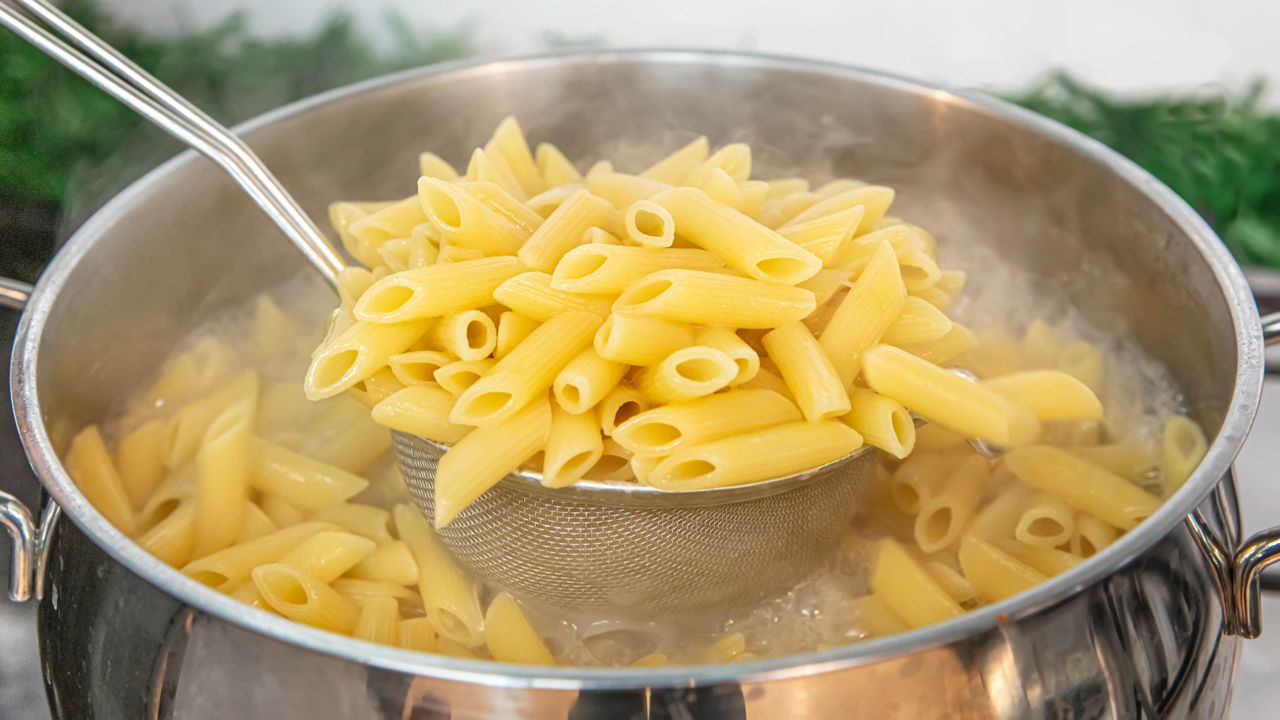
Pasta water, a common kitchen byproduct, could offer an unexpected advantage to tomato plants. When pasta is cooked, it releases starch into the water, which can become a nutrient-rich liquid for your plants. The starch encourages soil microbes, fostering healthy plant growth. In addition, specific pasta types release minerals like calcium, phosphorus, and iron, further enhancing the growth and vitality of your tomatoes.
However, there's a caveat: unsalted pasta water should be used to prevent the risk of salt drying out the plant or causing excess sodium in the soil, which can impede growth.
To utilize pasta water for your tomato plants, let the water cool after cooking, then water the soil directly from the bowl or use a watering can or spray bottle. Remember, overuse of starchy pasta water can potentially invite pests or harmful bacteria, so it's advisable to employ this method sparingly. While it's always best to use the appropriate fertilizer for your tomato varieties, reusing pasta water is an economical and eco-friendly way to supplement your gardening efforts.
Written by urgent.news from Tom's Guide's reporting — not their text. Machine-written — may contain errors; check the original before relying on it.