Food for thought: Is Delhi's midday meal nutritious enough?
A dead lizard in a Delhi school lunch has renewed scrutiny of the midday meal program. Concerns include hygiene, serving portions, and menu variety for students. The PM Poshan scheme outlines nutritional entitlements for primary and upper primary students. Budget limitations influence menu planning, affecting the inclusion of items like eggs. Teachers and parents debate whether the promised…
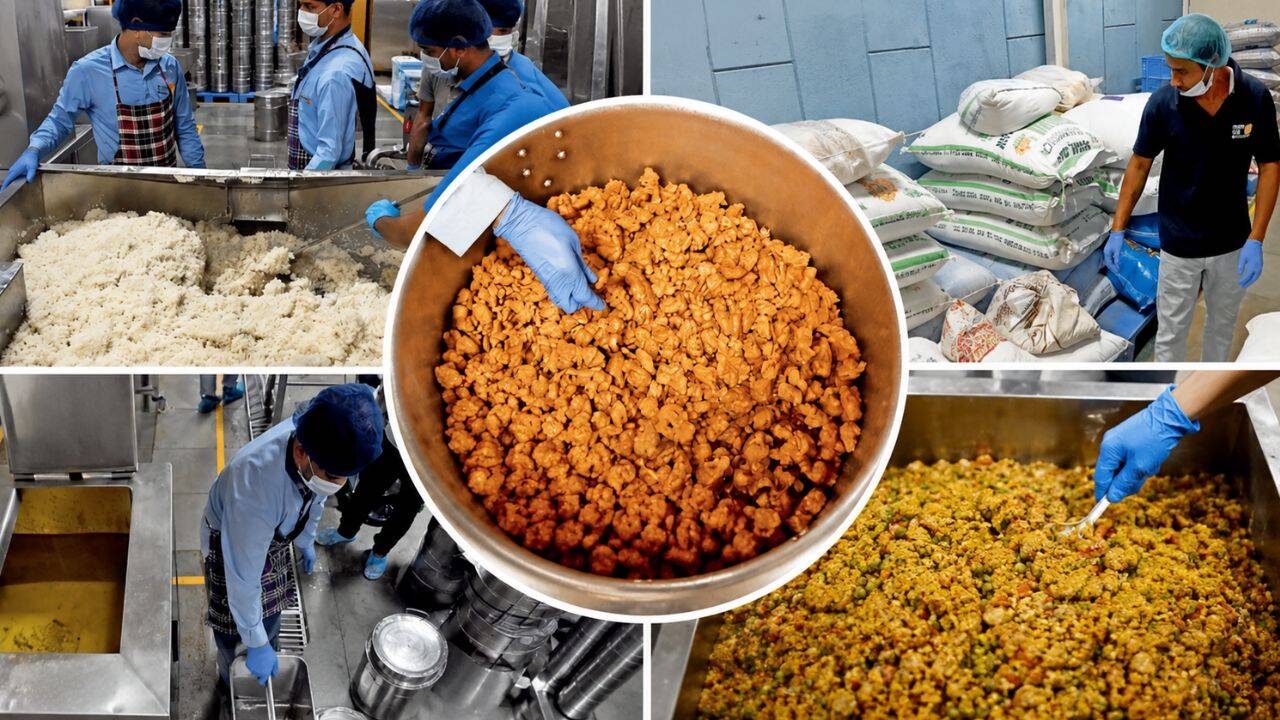
Delhi's midday meal programme has once again come under scrutiny after a dead lizard was found in a meal served to students in west Delhi's Hari Nagar. This incident has triggered debates over the quality, nutrition, and equity of the meals provided to children across the city's government schools.
Under the PM Poshan scheme, every primary school child is entitled to a meal containing specific quantities of pulses, vegetables, and oil, providing around 12g of protein and 450 calories. For upper primary students, these quantities increase to 20g of protein and 700 calories. The weekly menu rotates among various dishes, with an effort to ensure children receive essential nutrients, particularly proteins.
Nutrition expert Shalini Garwin Bliss points out that while the menu addresses protein requirements, there is room to increase the vegetable content, as vegetables provide vitamins, minerals, and fiber crucial for a child's growth and immunity. Ingredients like matar, soya, and paneer can be used more frequently. Even small additions can make a meaningful difference.
However, concerns remain about whether every child is receiving the same meal. Meals are often served from large containers into varying-sized lunchboxes, and serving ladles may be filled differently by different servers. While meals are officially recorded as providing the same meal, the actual servings can vary, making nutrition an estimate rather than an entitlement.
The cost of preparing each meal is also a factor. The gross cost of preparing one meal is 17, with the government contributing 8.56 and the rest funded through donations. Despite the financial constraints, the foundation tries to maximize nutrition within the budget. The rotating menu aims to meet nutritional norms while being mindful of affordability.
The debate over menu contents intensified in June after the newly elected West Bengal government entrusted the preparation of PM Poshan meals in Kolkata Municipal Corporation schools to the Annamitra Foundation. The foundation serves only vegetarian food, which led to the removal of eggs from the menu. Eggs, however, are often debated for their nutritional value, with experts agreeing that they are a high-quality protein source for growing children.
Teachers and parents hold different views on the current menu. Some believe the existing meals are nutritious and varied enough, while others feel there should be more protein and variety, including options like eggs, milk, fruits, or protein-rich foods. Teachers also note improvements in meal quality, with online attendance monitoring making discrepancies easier to detect.
Ultimately, the question remains: Is the nutrition promised on paper reaching every child's plate? The challenges of hygiene, portion control, and budget constraints continue to shape the conversation around the Delhi midday meal programme.
Written by urgent.news from Times of India's reporting — not their text. Machine-written — may contain errors; check the original before relying on it.