Fighting to return: 3 in 4 IDF soldiers wounded in war are back in service
More than 8,900 IDF personnel have been wounded since October 7, yet about 77% have returned to service, including 3,600 combat soldiers, as the military expands medical, emotional and rehabilitation support from hospital to unit
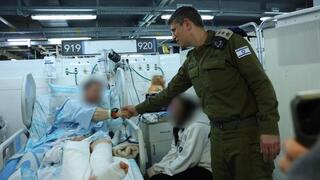
Over 8,900 IDF soldiers have been wounded during the recent conflict, yet a significant majority, about three-quarters, have returned to their duties thanks to the unwavering efforts of the IDF Medical Services Center. Colonel Dr. Avi Shina, commanding this center with a background spanning 22 years of military service, credits the system's success to a structured approach and attentive care.
The system's cornerstone is the presence of a fellow IDF soldier from the RAM 2 medical support team at the hospital bedside of a wounded comrade moments after their injury. This familiar face provides a much-needed anchor during the soldier's initial recovery. Dr. Shina emphasizes that this human connection is invaluable in easing the soldier's shock and trauma.
Returning home, however, presents a different challenge, as soldiers often find themselves disconnected from the supportive environment they experienced in hospital care. Dr. Shina recounts the poignant words of a wounded soldier who expressed feeling like a monster away from the hospital's "positive commotion" and camaraderie. To address this, he established the Recovery and Rehabilitation Center, which offers comprehensive, holistic care and dedicated social services to ensure soldiers receive continuous support until they are ready to rejoin their units.
Despite the immense pressure of reassignment decisions on career soldiers, Dr. Shina's team has devised strategies to alleviate their fears, such as forming a specialized department with nurses solely focused on aiding soldiers in returning to their units. This approach ensures soldiers feel secure in following their treatment plans without added stress.
Beyond the immediate physical and mental health needs, Dr. Shina also highlighted the importance of mental health services, introducing support groups for soldiers dealing with the aftermath of injury. He acknowledged the ongoing need for improved head injury treatment and rehabilitation, acknowledging the increasing lethality of modern warfare.
Dr. Shina's tenure has been marked by significant improvements, but he remains cognizant of the profound personal sacrifices made by wounded soldiers and their families, and the high point of his career was treating released hostages, a mission fraught with emotional difficulty.
Written by urgent.news from Ynetnews Culture's reporting — not their text. Machine-written — may contain errors; check the original before relying on it.