Fed's Kashkari says 'now is the time to start slowly moving' rates up
Kashkari was one of three dissenters at last week's Federal Open Market Committee meeting.
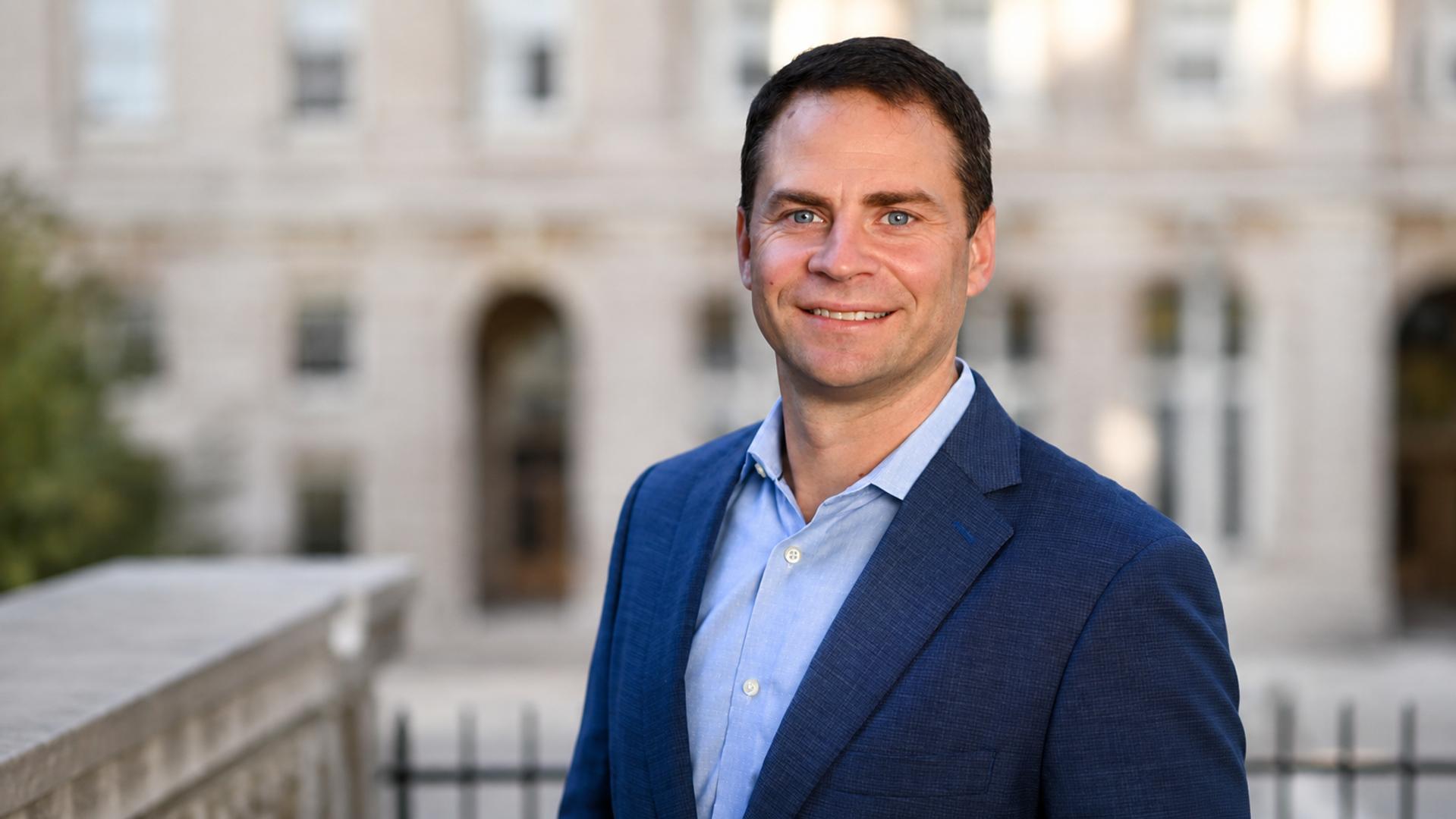
On Wednesday, Minneapolis Federal Reserve (Fed) President Neel Kashkari told CNBC that he is not advocating for a significant rise in interest rates. His objective is not to cool the economy, but to reduce inflation. According to Kashkari, most of the recent inflation is caused by supply shocks with additional demand. Ultimately, the decision on the appropriate communications strategy rests with the committee.
Kashkari believes it is beneficial for the market to understand the committee's reaction function. He does not believe there is a definitive number of meetings required and expressed an open mind regarding the matter. The Fed's Kashkari provided a more measured and less assertive message compared to previous speeches, with the FXS Speechtracker score at 4.6/10, a lower figure than the usual baseline of 6.8/10, leading to a more muted impact on market expectations.
The focus on not slowing the economy and bringing down inflation, along with the acknowledgment that recent price pressure is primarily supply-driven, and the remark of not calling for a dramatic increase in rates, indicate a nuanced approach: committed to the inflation mandate but cautious about over-tightening. The open-minded stance on communications and the frequency of meetings highlights a preference for flexibility over pre-commitment, which may limit immediate adjustments in US Dollar rates but maintains the focus on reaction function for the markets.
The FXS Fed Sentiment Index fell by 2.95 points to 142.85, reflecting a slight decrease in perceived hawkishness after the speech. Despite this dip, the index remains above the neutral 100 level, suggesting that policy is still considered hawkish in the broader context, although Kashkari's more subdued language on dramatic rate hikes softens the near-term upside for US Dollar bulls.
The Federal Reserve (Fed) aims to achieve price stability and full employment through monetary policy, primarily by adjusting interest rates. When inflation exceeds the Fed's 2% target, it raises interest rates, increasing borrowing costs and strengthening the US Dollar (USD) as it becomes more appealing to international investors.
Conversely, if inflation falls below 2% or unemployment rises too high, the Fed may lower interest rates to stimulate borrowing, which puts downward pressure on the Greenback. The Fed meets eight times a year to assess economic conditions and make monetary policy decisions. Attended by twelve officials, including the seven members of the Board of Governors, the president of the Federal Reserve Bank of New York, and four of the remaining eleven regional Reserve Bank presidents, serving one-year terms in rotating positions.
In extreme circumstances, the Fed could employ Quantitative Easing (QE), a non-standard policy tool used during crises or when inflation is exceptionally low. QE involves the Fed printing more money and purchasing high-grade bonds from financial institutions, which weakens the USD. The reverse process, Quantitative Tightening (QT), where the Fed stops buying bonds and lets maturing bonds expire without reinvestment, is generally positive for the US Dollar.
Written by urgent.news from FXStreet's reporting — not their text. Machine-written — may contain errors; check the original before relying on it.
This story
This is one outlet's version. Read the fullest account.