Exposure to pesticides at work could raise risk of ALS, study finds
Two people in Australia are diagnosed with ALS each day. Researchers say working with pesticides could bring a 70 per cent greater risk of developing the fatal disease.
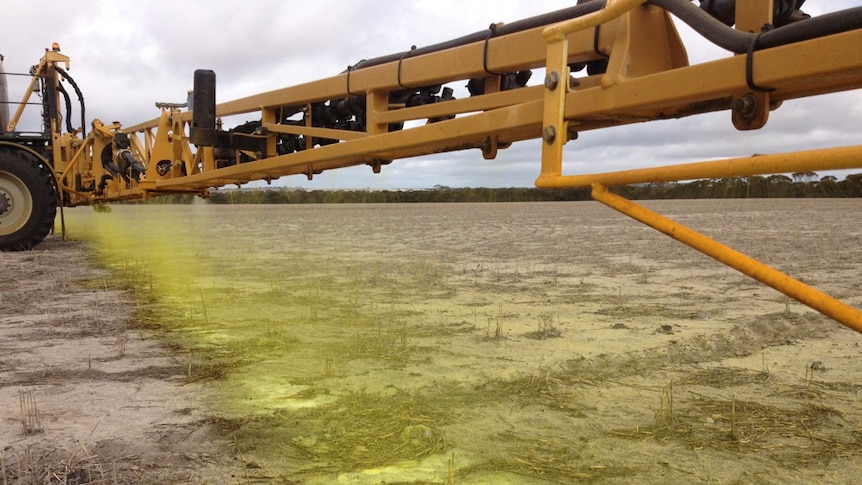
A recent study suggests that workers exposed to pesticides may have a significantly higher risk of developing amyotrophic lateral sclerosis (ALS), a fatal motor neurone disease. The research, published in the BMJ, indicates that men with pesticide exposure at work could be twice as likely to develop the disease compared to those with no exposure. However, no increased risk was identified for women.
Farmers argue that pesticides are essential for food production, and the scientists behind the study warn that the global rates of ALS have risen alongside the use of these chemicals. The link between pesticides and ALS remains unclear, with the causes of the disease not well understood. Nonetheless, the findings add to the evidence that occupational exposure to pesticides might increase the risk of ALS.
The Australian Pesticides and Veterinary Medicines Authority recently imposed restrictions on the herbicide paraquat due to concerns about its potential link to Parkinson's disease. While the weight of evidence does not show that paraquat exposure through approved uses increases Parkinson's risk, significant limitations on its use have been implemented. Major paraquat manufacturer Syngenta has since withdrawn the herbicide from sale in Australia, citing regulatory constraints and an expensive supply chain.
Despite the concerns over pesticide exposure, experts emphasize that reducing such exposure is a general precaution. However, they stress that the study does not definitively establish a single cause of motor neurone diseases. Dr. Rachel Tan, a motor neurone disease specialist not involved in the study, calls for further research to identify specific chemicals responsible and to determine if longer pesticide exposure intensifies the risk.
Professor Oliver Jones, an analytical chemistry expert, reassures the public not to panic over the findings, noting that people don't need to fear the risks of pesticide exposure.
Written by urgent.news from ABC News AU's reporting — not their text. Machine-written — may contain errors; check the original before relying on it.