Every fish tested in Yamuna carried microplastics. What it means for your dinner plate
Scientists discovered microplastics in every fish species sampled from the Yamuna River. Fish from Delhi's stretch showed much higher contamination than those from upstream Haryana. These plastic particles were found not only in digestive tracts but also in muscle tissues. This contamination indicates a widespread issue within the river's aquatic food chain. Addressing this requires reducing…
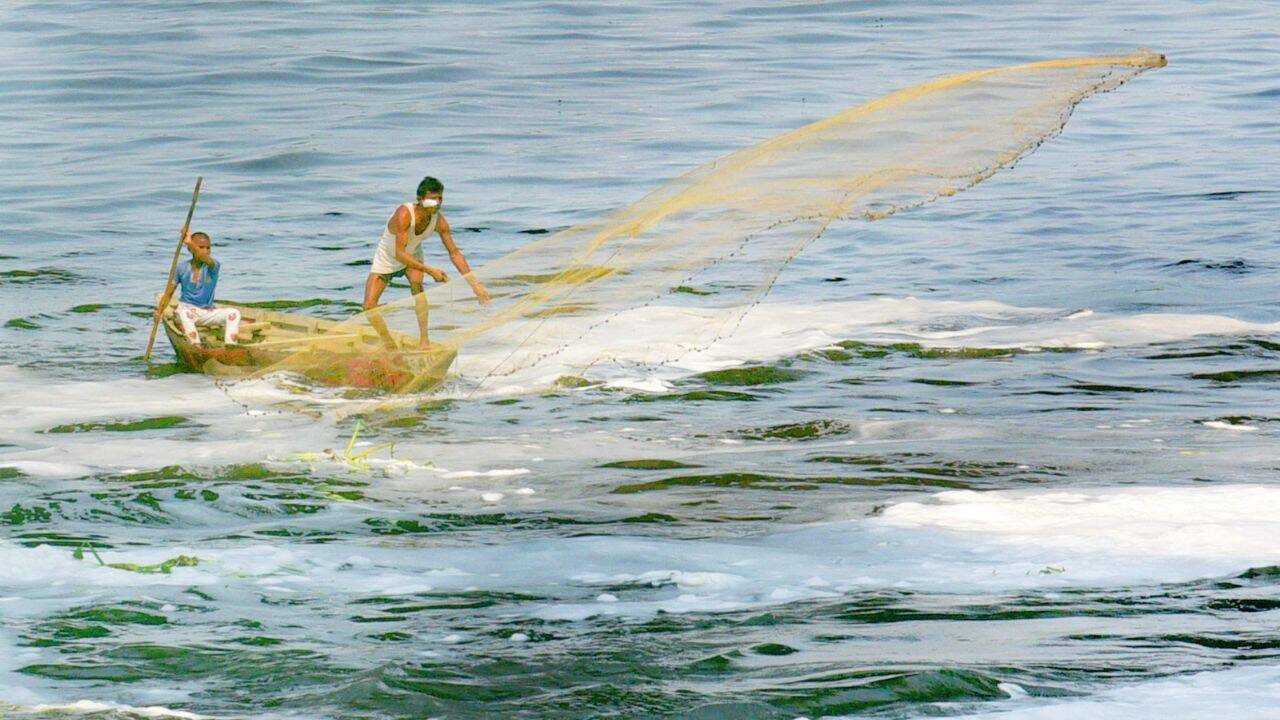
A recent study by researchers at the University of Delhi has discovered microplastics in every species of freshwater fish sampled from the Yamuna River. The Yamuna, often symbolizing sewage, industrial waste, and toxic foam, now faces an additional invisible threat. Fish collected from Delhi's stretch of the river showed significantly higher contamination compared to those from upstream Haryana.
This finding contributes to a growing body of evidence indicating that plastic pollution is infiltrating aquatic food chains and could eventually reach humans through the consumption of these fish.
The researchers studied 220 freshwater fish from 12 species, collected from four locations in Haryana and Delhi. A total of 1,678 microplastic particles were found inside the fish, indicating widespread contamination throughout the river ecosystem. However, the Delhi stretch was found to be the most polluted, with Sonia Vihar and Sur Ghat recording the highest concentrations.
The contamination was not limited to the fish's digestive system. Scientists found microplastics in the gastrointestinal tract (751 particles), gills (605 particles), and muscle tissues (322 particles) of the fish. Since people typically consume the muscle tissue of fish, this raises concerns about human exposure to microplastics.
Among all species studied, Nile tilapia from Sonia Vihar had the highest contamination, with 436 microplastic particles, while carnivorous freshwater needlefish from Karnal had the lowest burden, with only 37 particles.
The researchers attribute the contamination to factors such as rapid urbanization, untreated sewage, textile effluents, and heavy suspended particulates flowing through Delhi. These conditions create ideal environments for microplastics to accumulate in the river and eventually in fish. Among the microplastic particles found, almost 45% were polyethylene and polypropylene, commonly used in carry bags, food packaging, and disposable household products.
The Yamuna findings reflect a larger national and global plastic crisis. The UN Environment Programme reports that the world produces over 430 million tonnes of plastic annually, with almost two-thirds becoming waste after short periods of use. Much of this waste ends up in rivers, lakes, and oceans, where it degrades into microscopic particles that are difficult to remove.
India generates millions of tonnes of plastic waste yearly, despite restrictions on single-use plastics, and struggles with collection, recycling, and disposal.
Studies in other Indian rivers, including the Ganga, Brahmaputra, Mithi, and Cooum, have also detected microplastics in water, sediments, and aquatic organisms. These particles have been found in shellfish, freshwater fish, drinking water, table salt, and even agricultural soils irrigated with polluted water. International studies have further reported microplastics in human blood, lungs, placentas, and reproductive tissues, although the long-term health impacts of such exposure are still under investigation.
Thus, the Yamuna study supports fears that plastic pollution is infiltrating ecosystems and reaching the food chain. River cleaning alone is not sufficient to address the issue; instead, efforts must focus on reducing microplastic pollution. This includes better management of sewage, stricter industrial discharge norms, improved solid waste management, and reduced unnecessary plastic consumption.
While Delhi continues to pour money into cleaning the Yamuna, the study highlights that success should be measured not only by clearer water and less foam but also by the absence of hidden pollutants that build up inside fish and can ultimately reach human consumers.
Written by urgent.news from Times of India's reporting — not their text. Machine-written — may contain errors; check the original before relying on it.