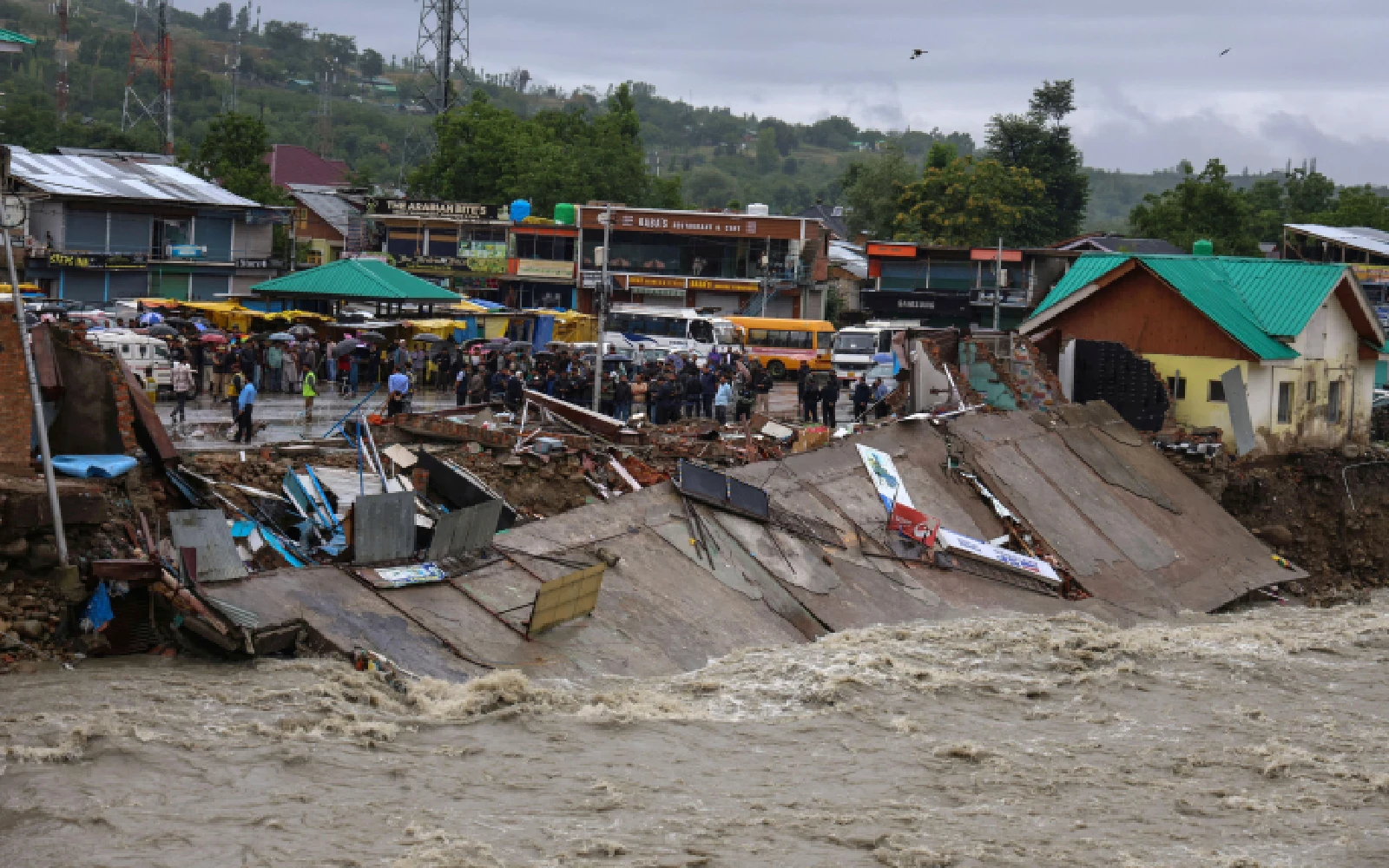
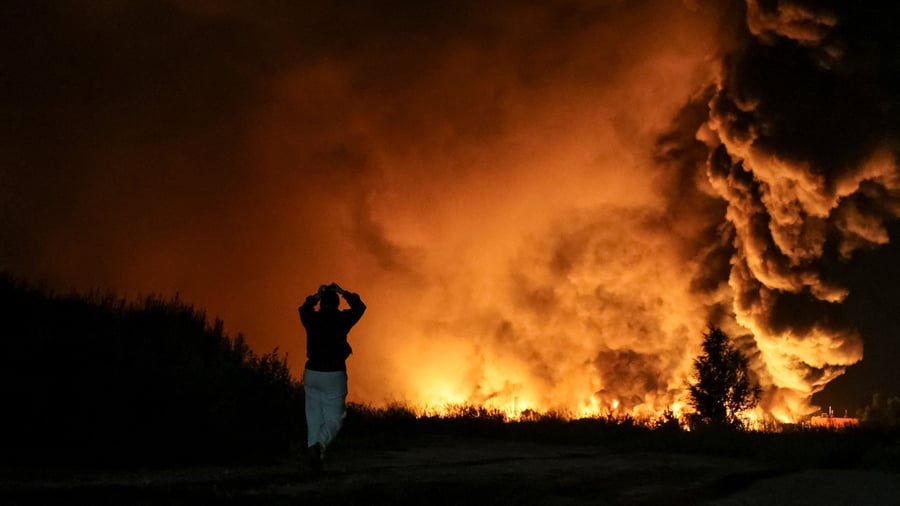
Europe is blowing up riverbeds as an extreme drought wreaks havoc on its economy
Severe drought is disrupting energy and freight across Europe as low Rhine and Danube levels raise risks for supply chains and economic growth.
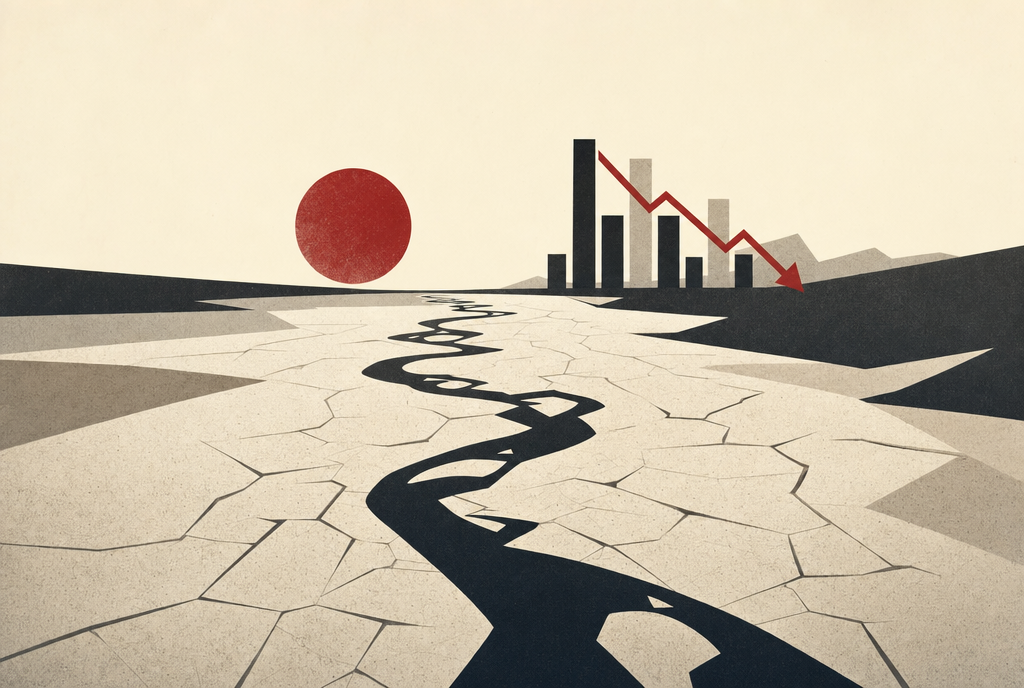
Europe's severe drought is causing significant economic disruptions, forcing countries to take drastic measures like blowing up riverbeds. Romania recently shut down its sole nuclear reactor due to low water levels in the Danube. Hungary's Paks nuclear plant, which supplies a quarter of the country's electricity, faces potential shutdowns, while Serbia has reduced hydropower generation.
Germany's Rhine River, crucial for trade, has hit its lowest level in over a century, threatening the economy and supply chains. Transport along the waterway is still possible but at a higher cost due to lighter loads on cargo barges. Water scarcity, particularly in southern Europe, affects 30% of the population. The Rhine's low water levels could reduce Germany's GDP by up to 0.2% in the third quarter, equivalent to 1-2 billion euros in lost value added.
Stefan Kooths, professor of economics at the Kiel Institute, highlights that since levels are unlikely to rise soon, the impact will persist for months. Felix Schmidt, a senior economist at Berenberg, notes that businesses have anticipated the issue due to climate change but face challenges like rising freight rates. Germany's economy grew by 0.2% in the second quarter, following a 0.4% increase in the previous quarter, but the impact of the drought and heat wave on productivity and energy supply is causing further strain.
Written by urgent.news from CNBC World's reporting — not their text. Machine-written — may contain errors; check the original before relying on it.