Energietechnik: Siemens Energy: Endlich ist auch das Windgeschäft profitabel
Beim Energietechnikkonzern sprudeln die Gewinne und selbst das scheinbar ewige Sorgenkind Gamesa schreibt zum ersten Mal seit 2022 keine roten Zahlen.
Siemens Energy reports profitable wind business after years of losses. In the third quarter, the energy technology company generated 1.2 billion euros in profit after taxes, a significant 70% increase from the same period last year. This improvement stems from high demand for electricity, particularly from data centers, and the long-standing issue of wind energy subsidiary Siemens Gamesa finally turning a profit.
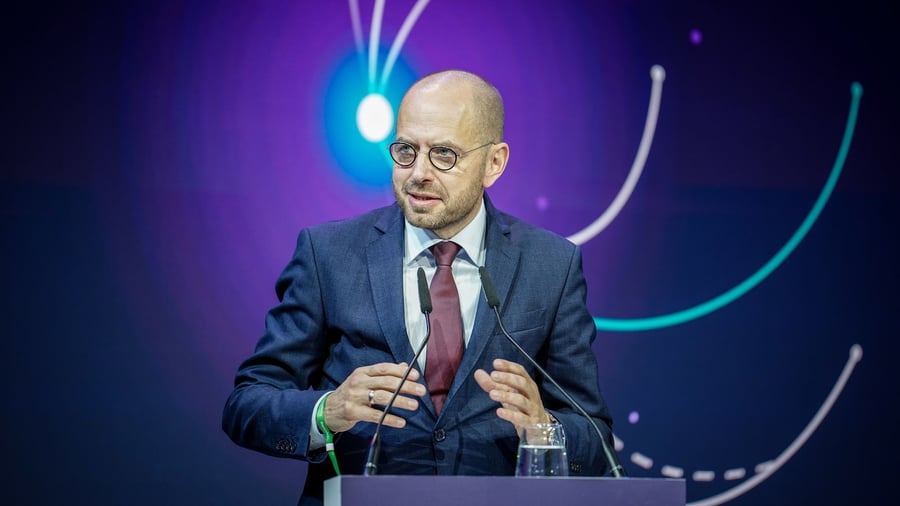
For the first time since 2022, Siemens Gamesa contributed positively to the overall result, with 56 million euros in profit instead of a 425 million euro operating loss. Siemens Energy CEO Christian Bruch states, "We have achieved record values for orders, sales, and profitability, while simultaneously improving our efficiency. The fact that our wind business has become profitable for the first time since 2022 in a single quarter is a fantastic achievement by the team."
Although Gamesa made a particularly strong improvement, the profits mainly come from other sectors, such as gas turbines and their maintenance, and power grid technologies, which saw a 60% increase in earnings, amounting to 645 million and 718 million euros, respectively. The Transformation of Industry contributed 218 million euros, a 39% rise compared to the previous year.
High demand for electricity also led to record quarterly turnover, up by 18% to 11 billion euros, and record orders, up by 8% to 18 billion euros. Many orders came from the United States. Siemens Energy has already earned 2.8 billion euros in profit after three quarters and is on track for its annual goal of around 4 billion euros.
However, a concern for the team around Bruch might be the plummeting order intake at Gamesa. In the third quarter, it was 1.05 billion euros, down from 4.89 billion euros a year earlier. While this is due to a large order in the comparison quarter, the volume of new orders is much smaller than the sales of 2.7 billion euros. This situation persists not only in the third quarter but also in the ongoing business year. Nonetheless, the order book remains at 31 billion euros. An acute shortage is not apparent.
Written by urgent.news from Handelsblatt's reporting — not their text. Machine-written — may contain errors; check the original before relying on it.