Emotional resilience is becoming the most valuable skill. Here’s why
Global employee stress has reached a record high, according to Gallup’s State of the Global Workplace 2026 report. The report found that 44% of the world’s workforce reported significant daily stress. The Negative Experience Index, which tracks daily stress, sadness, and worry, has also reached its highest level in more than a decade, according to the State of the World’s Emotional Health 2025…
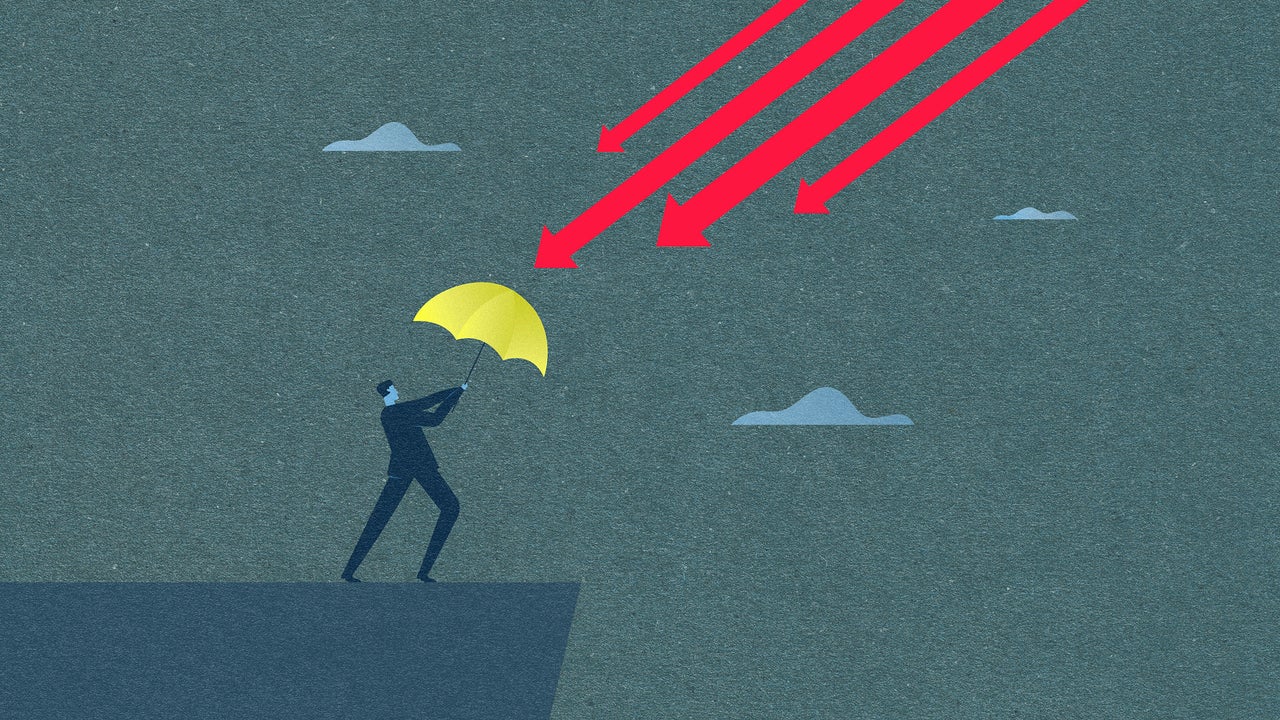
The State of the Global Workplace 2026 report by Gallup reveals that global employee stress has hit an all-time high, with 44% of workers reporting significant daily stress. This trend is further supported by the Negative Experience Index, which has also reached its highest level in over a decade, tracking daily stress, sadness, and worry. While the U.S., Canada, and Australia/New Zealand regions consistently lead these rankings, the data indicates a collective sense of exhaustion worldwide.
Navigating such a stressful landscape requires more than just "grit." After a decade of studying happiness and resilience, it has become clear that emotionally resilient leaders employ three key habits. First, regular introspection is crucial. Many people treat their thoughts and feelings like a background application, only noticing them when everything falls apart.
However, by the time stress reaches a 10/10, it's too late to manage effectively. Early detection is key, and regular introspection allows for better stress management.
Second, resilient leaders recognize the importance of noticing the good. Positive psychology focuses on expanding one's field of vision, even in the face of great challenges. Glimmers of joy and accomplishment can be found amidst hardships and losses. Gratitude plays a significant role in this process, acting as a protective shield against burnout. By regularly acknowledging things to be grateful for, one can shift focus from threat detection to seeing resources and wins, promoting overall well-being.
Lastly, emotionally resilient leaders understand that happiness is a collective effort. The Harvard Study of Adult Development, the longest study on happiness, found that the quality of relationships is the single greatest predictor of long-term health and joy. Resilient leaders recognize that they cannot carry the weight of high-stress environments alone.
They rely on their networks, fostering deep, healthy bonds where they can give and receive support. This social fitness is as vital as physical fitness in an era of rising loneliness.
Thus, resilience in high-stress environments is not about having a thicker skin, but rather having a better strategy, developed intrinsic well-being skills, and a strong support network. The leaders who avoid burnout are those who catch stress early, maintain a balanced focus, and refuse to navigate challenging environments alone.
Written by urgent.news from Fast Company's reporting — not their text. Machine-written — may contain errors; check the original before relying on it.