Elon Musk says SpaceX will exclusively use Nvidia GPUs 'because they are the best' — says optimized Vera Rubin NVL72 will be launched into space next year
Elon Musk's SpaceX and xAI will exclusive use Nvidia AI accelerators for training and inference as companies believe Vera Rubin is the best AI compute architecture available today.
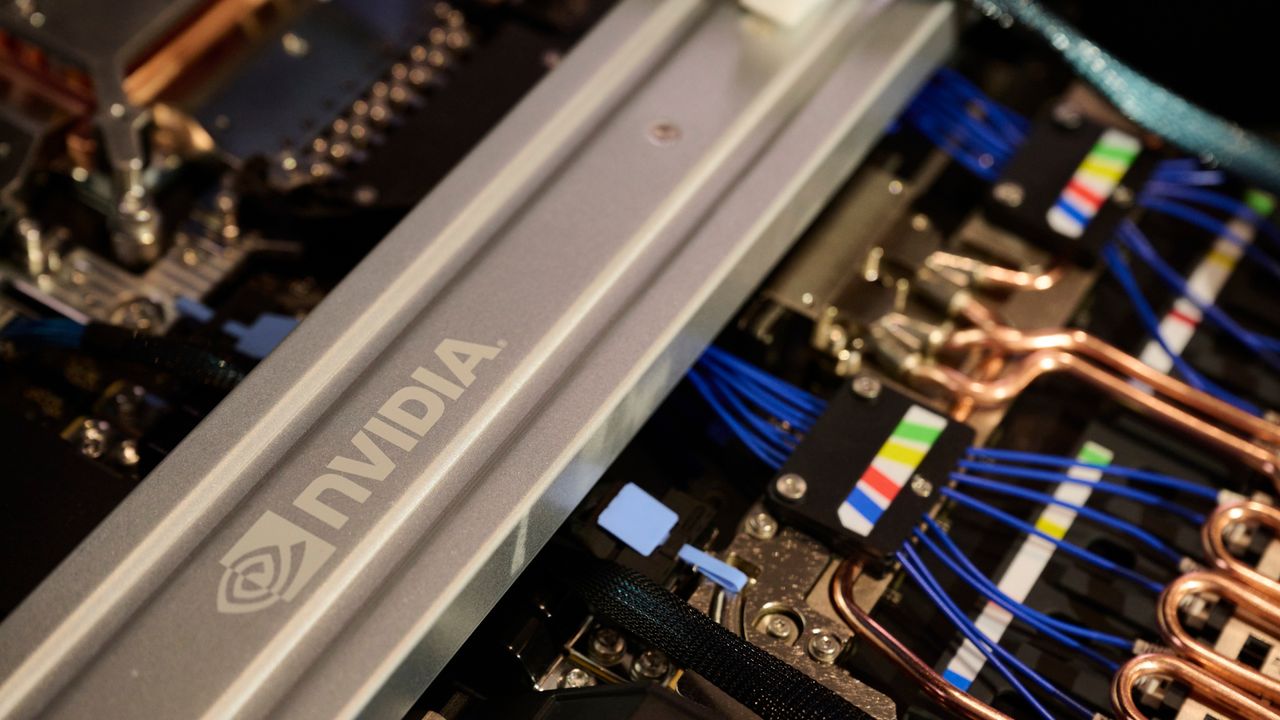
On August 4, 2026, Elon Musk declared that SpaceX and xAI will exclusively utilize Nvidia GPUs, citing the superior design of Nvidia's Vera Rubin NVL72 rack-scale system. Musk emphasized during SpaceX's earnings call that the Vera Rubin architecture is the best available, expressing appreciation for the close partnership with Nvidia.
The company's decision to exclusively use Nvidia GPUs stems from the belief in the superior performance of the NVL72 VR[200] computer compared to standard rack-style designs. Historically, xAI has exclusively used Nvidia's Hopper and Blackwell hardware for training Grok models, with no evidence of AMD Instinct or other non-Nvidia accelerators being used.
Musk's admiration for the cable-less design of the Vera Rubin NVL72 VR200 rack system is understandable, as this design significantly improves serviceability, assembly speed, and reliability. SpaceX plans to deploy the optimized Vera Rubin NVL72 computer not only in its data centers and xAI's facilities but also in space, specifically aboard the Starmind AI satellite.
Musk expects to launch the satellite within the next year, highlighting the radical simplification of normal NVL72 racks in space. Despite the formidable 36 Vera CPUs and 72 Rubin AI GPUs offering impressive performance, questions remain about the cooling and reliability of such racks in space.
Written by urgent.news from Tom's Hardware's reporting — not their text. Machine-written — may contain errors; check the original before relying on it.
Also reported by 4 other outlets
- Elon Musk's preferred state halts data center approvals; says 'prove' this timesofindia.indiatimes.com
- SpaceX is barely Space and mostly X theverge.com
- Elon Musk's X isn't done suing advertisers, asks court to revive boycott case arstechnica.com
- Elon pledges to give Nvidia a virtual monopoly over the stars theregister.com