Elon Musk: 'At some point, Starlink will deliver a majority of the world's internet,' but that promise hinges on launching thousands more next-gen satellites and the massive Starship working as promised
Starlink head Elon Musk believes he can serve most of the world's Internet in less than a decade, but is that claim realistic?
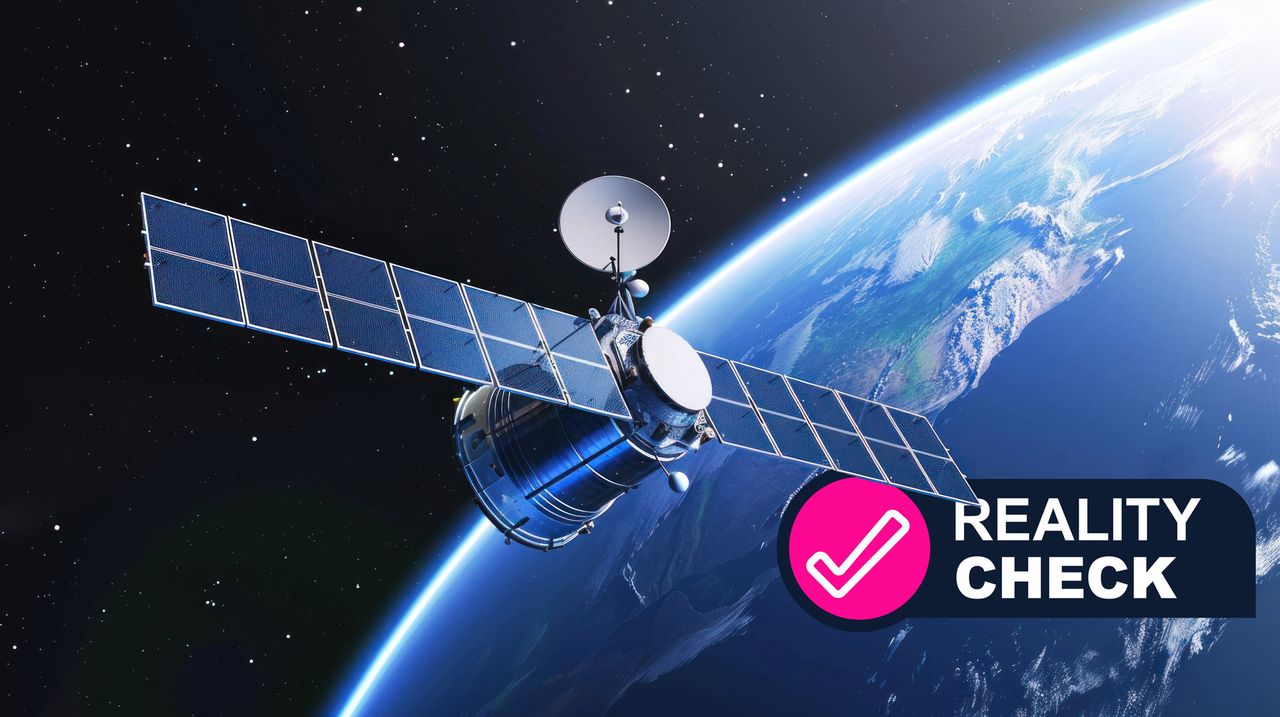
Elon Musk has boldly predicted that SpaceX's Starlink will supply the majority of the world's internet within a decade, emphasizing the crucial role of the new Starlink V3 satellites and the Starship rocket. During SpaceX's first earnings call as a publicly traded company, Musk claimed that Starlink would outperform the big three carriers - AT&T, Verizon, and T-Mobile - in terms of bandwidth, with the V3 satellite offering up to 1 Terabit of downlink connectivity and 2048 beams per satellite.
However, SpaceX will need to launch approximately ten times more Starlink V3 satellites to achieve this, and the Starship rocket must mature and be deployed rapidly to meet Musk's ambitious vision. As for Starlink Mobile, it is still a long way off, with only 12 million global customers compared to the over 300 million connections held by the major carriers.
The FCC has already approved Starlink's next-generation satellite constellation in January 2026, but the success of Musk's plan hinges on the swift deployment of Starlink V3 satellites and the Starship rocket, as well as convincing consumers to switch from their trusted carriers.
Written by urgent.news from TechRadar's reporting — not their text. Machine-written — may contain errors; check the original before relying on it.