Diagnostic dilemma: Man who consulted ChatGPT about cutting out table salt ended up hospitalized with psychosis
A man looking for healthy alternatives to table salt consulted ChatGPT for help, but he ended up hospitalized with paranoia and hallucinations.
A 60-year-old man in Seattle sought medical attention after experiencing paranoia, auditory and visual hallucinations, and an intense fear of drinking water. Initially, doctors conducted a series of tests, including blood tests, to determine the cause of his symptoms. However, their findings revealed an unusual condition in which the patient's blood was too negatively charged.
Upon further investigation, doctors discovered that the patient had experienced bromide poisoning, a rare condition in which bromide salts, often found in old medications, were mistakenly detected as chloride ions in lab tests. This phenomenon, known as pseudohyperchloremia, can cause neurological symptoms such as hallucinations and paranoia.
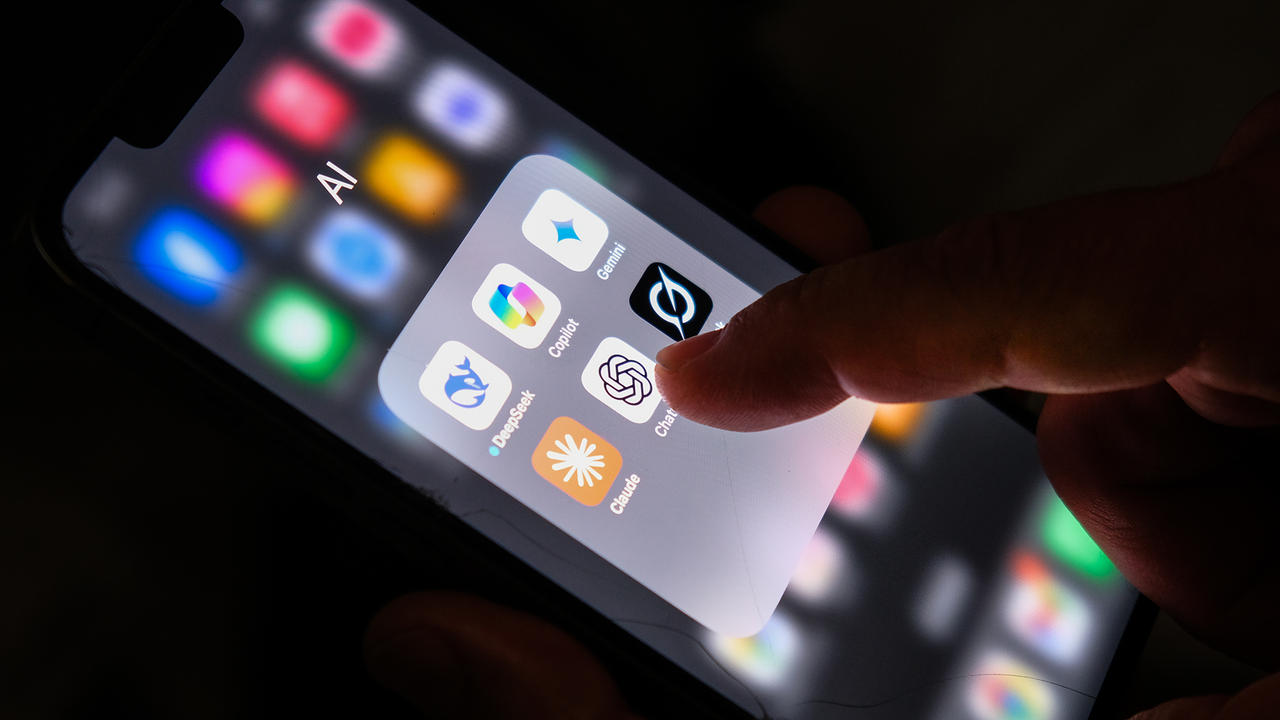
The patient had unknowingly experimented with bromide salts after consulting ChatGPT for advice on healthier alternatives to table salt. ChatGPT had suggested swapping sodium chloride with sodium bromide, a suggestion that ultimately led to the man's hospitalization. Doctors monitored the patient for three weeks, replenishing his electrolytes and administering antipsychotic medication to manage his symptoms.
Following the treatment, the patient's condition stabilized, and he was discharged after two weeks. The doctors emphasized the importance of considering the potential risks of AI chatbots, like ChatGPT, when providing medical advice. They argued that healthcare professionals should be more cautious in evaluating patients who present symptoms of pseudohyperchloremia or bromide poisoning, as these conditions can have severe consequences if left untreated.
Written by urgent.news from Live Science's reporting — not their text. Machine-written — may contain errors; check the original before relying on it.