DHS Is Hiring Bounty Hunters to Find and Photograph Deported People’s Homes Abroad
Homeland Security told immigrants that leaving the US would wipe out fines it claims they owe. Now it wants private investigators to find them in their home countries and collect.
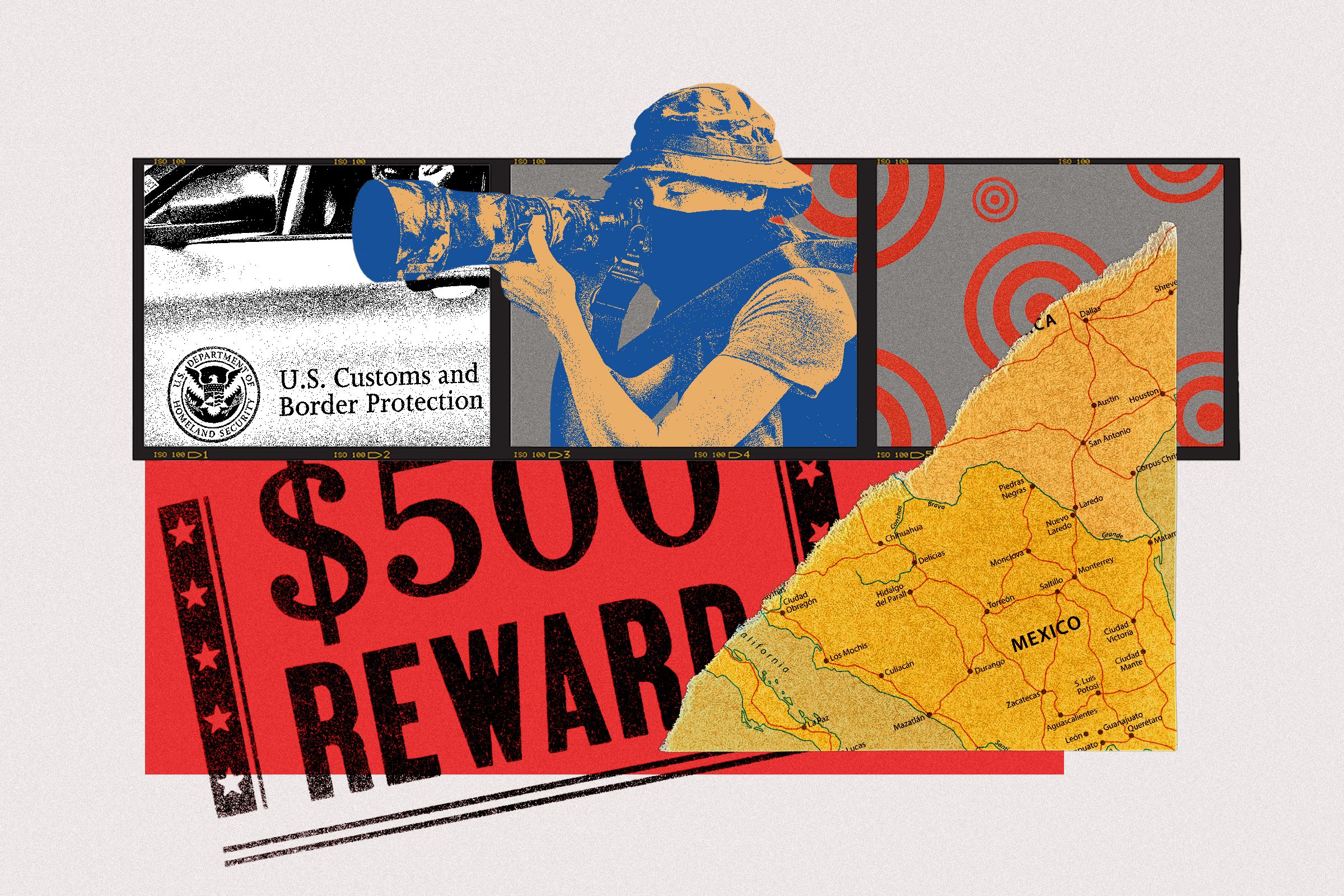
The US Department of Homeland Security (DHS) is seeking bounty hunters to track down and photograph the homes of deported immigrants abroad. This is part of the Tracing and Payment Recovery Services program, which has a budget of $9 million over the next two years. Contractors will verify the addresses of those deported and collect photographic evidence of their residences, along with other documents like utility bills or court records.
The government will accept various forms of proof as long as it is deemed "relevant and credible." In addition to photographs, contractors will deliver a flyer listing the fines and fees owed to CBP, printed in both English and Spanish.
As of July, the DHS has issued over $84 billion in fines to immigrants accused of failing to depart the United States. These fines are levied at a rate of $998 per day for up to five years, with some reaching $1.8 million. Critics argue that these notices violate due process and are intended to pressure people into self-deportation. A report from NYU's Immigrant Rights Clinic found that immigrants subjected to these notices have had their tax returns seized, wages garnished, and credit scores damaged.
The DHS promises to forgive failure-to-depart fines for those who use the CBP Home app to leave the country. However, a $5,130 fee added by Congress last year for people removed in absentia and later arrested by ICE cannot be waived. Despite this, those who use the app may still owe this fee. Legal experts argue that going after people with outstanding fines who have left the country represents a "significant escalation in tactics."
Contractors hired for this program would be paid a set fee per person notified, with bonuses for delivering information within specified timeframes. The government would retain all gathered data and has the unlimited right to reuse it. Payment for any collected fines would be made through the Immigration Enforcement Account, a fund Congress established to cover immigration-related expenses.
Many recipients of fine notices are part of mixed-status families, and CBP anticipates that family members in the US may feel pressured to pay even if the fined individual has left the country. Contractors would use commercial data sources but do not specify which ones.
Written by urgent.news from Wired's reporting — not their text. Machine-written — may contain errors; check the original before relying on it.