Corals Spin Tiny Vortices to Get Oxygen, but Not if It’s Too Hot
New research is helping biologists understand how an overlooked aspect of coral physiology may affect their fate under climate change. The post Corals Spin Tiny Vortices to Get Oxygen, but Not if It’s Too Hot first appeared on Quanta Magazine
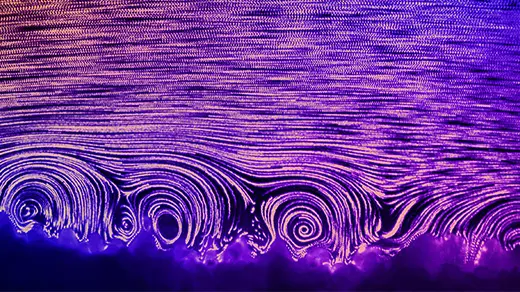
At first glance, corals appear as colorful rocks, but they are complex living organisms that need oxygen to survive. Scientists have now discovered that tiny hairlike cilia on corals generate tiny vortices of water to circulate oxygen to the coral’s outer tissues, especially at night when photosynthesis stops. Warmer water naturally carries less oxygen, causing corals to increase the speed of their cilia, which can lead to suffocation if the temperature becomes too hot.
This dynamic process may offer a more direct signal of coral health than previously understood, potentially explaining some instances of bleaching and mortality without algae expulsion. Scientists are now collaborating to better understand the physiological and hydrodynamic forces at work, as marine heat waves and extreme weather events become more common.
Written by urgent.news from Quanta Magazine's reporting — not their text. Machine-written — may contain errors; check the original before relying on it.