Climate action must stay on the global agenda
For millions of people in Europe , August is traditionally a month for rest and relaxation. This summer, however, has been one many would prefer to forget. From southern France to Spain and Portugal, about 300,000 people were evacuated as wildfires blazed amid scorching temperatures. In Greece, even the airspace became hazardous – a fact underlined by Sunday’s deadly crash involving two…
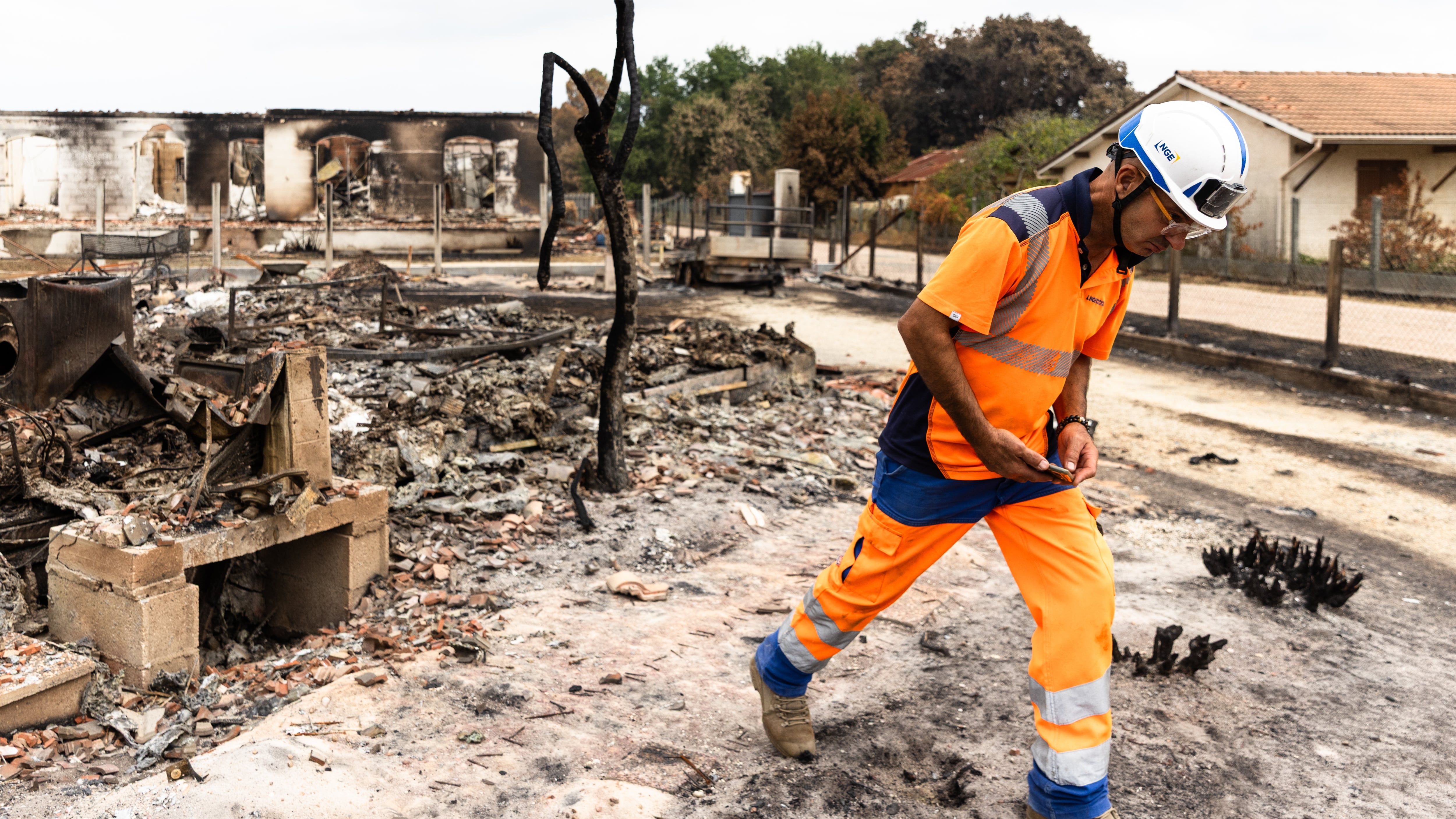
As August unfolds, many Europeans are left with a summer they'd rather forget. Wildfires have forced the evacuation of around 300,000 individuals in southern France, Spain, Portugal, and Greece, with Greece's airspace even becoming hazardous due to a deadly helicopter crash. Climate records continue to plummet, with England experiencing its driest July in 190 years, receiving just 10% of its expected rainfall.
Fires, droughts, and heatwaves are no longer sporadic events but a systemic issue. Europe's crisis is not an exotic concern for those in the UAE; residents are familiar with holiday spots being engulfed in flames and worry over loved ones affected by heat and smoke. Visits to parts of Europe during this time now carry a sense of apprehension.
Despite these alarming developments, climate change has taken a backseat in the global political agenda, overshadowed by more pressing crises. The World Economic Forum's 2026 Global Risks Report highlights that inward-looking and adversarial policies are causing countries to prioritize national interests over collective action, hindering efforts to address shared challenges like climate change.
Europe's approach to extreme heat remains reactive, with firefighting capacity improving and coordination between countries enhanced, yet the model still leans towards containment. This approach is inadequate when confronting a climate that is changing so rapidly, with scientists stating that fires are up to 20 times more likely due to climate change.
While the worst of Europe's summer may pass, the emerging pattern of climate crisis is here to stay. The UAE, known for its focus on resilience, has implemented early warning systems, heat-resistant infrastructure, and long-term planning. However, these measures do not guarantee immunity from the worst of the summer heat, as temperatures in the Emirates recently reached 49°C amid a broader Middle East heatwave.
It is clear that adaptation is crucial, but firefighting alone cannot hold the line against the structural issue at hand. To effectively tackle this structural problem, a comprehensive response is required, examining land management, tourism, agriculture, urban planning, water use, and investment in prevention on a scale that matches the threat.
Europe, like much of the world, must adapt to this new climate reality before the next evacuation order is issued.
Written by urgent.news from The National UAE's reporting — not their text. Machine-written — may contain errors; check the original before relying on it.