Chip plants begin restarting operations in quake-hit Kumamoto
The quick recovery comes as damage was relatively limited compared with that from the two successive major earthquakes that hit the prefecture about 10 years ago.
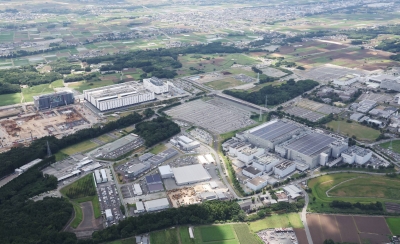
Chip manufacturing facilities in Kumamoto Prefecture have begun to resume operations following suspensions caused by a 7.1-magnitude earthquake that struck the region on July 28. It is anticipated that production will return to pre-earthquake levels by the end of the month. The quake registered up to shindo 7 on Japan's seismic intensity scale, indicating relatively limited damage compared to the two major earthquakes that hit the prefecture about a decade ago in 2016.
Companies have benefited from their past experiences in restoration efforts, leading to a quicker recovery this time around. Sony Group's Kumamoto Technology Center in Kikuyo, which produces image sensors, is resuming production in stages, with full operations expected to return within a month of the latest quake, compared to three and a half months back in 2016.
The facility implemented guidelines for assessing the situation at the production site and conducted regular disaster drills to prepare for potential future earthquakes.
Taiwan Semiconductor Manufacturing Co., the world's largest chip foundry, announced that its Kikuyo plant has been brought back online. Mitsubishi Electric is gradually expanding operations at two power semiconductor plants, adopting seismic isolation structures for one of the factories and strengthening earthquake-resistant equipment at the other.
Renesas Electronics' plant in Nishiki reopened the day after the earthquake, with production projected to return to pre-disaster levels in about three weeks. Renesas President Hidetoshi Shibata stated that securing inventories has minimized the impact of the earthquake on the company's earnings.
Waseda University professor Atsushi Osanai attributed the quick recovery of chipmakers and others in Kumamoto to their past experiences in earthquake restoration efforts. However, he noted that infrastructure and logistics networks in the region have been severely damaged by the latest quake, affecting the lives of citizens who are also workers. The central and prefectural governments must take the initiative to normalize the situation as soon as possible, Osanai emphasized.
Written by urgent.news from Japan Times's reporting — not their text. Machine-written — may contain errors; check the original before relying on it.