China’s Palantir? Private tech firms surge into defence AI, aiming to match US giants
The People’s Liberation Army is just a year away from its centenary goals in its evolution into a “world-class” fighting force. In this part of a series, Amber Wang looks at the growing influence of artificial intelligence in combat and the private firms stepping into the area. Roughly two months before the United States launched air strikes on Iran, a little-known Chinese technology company was…
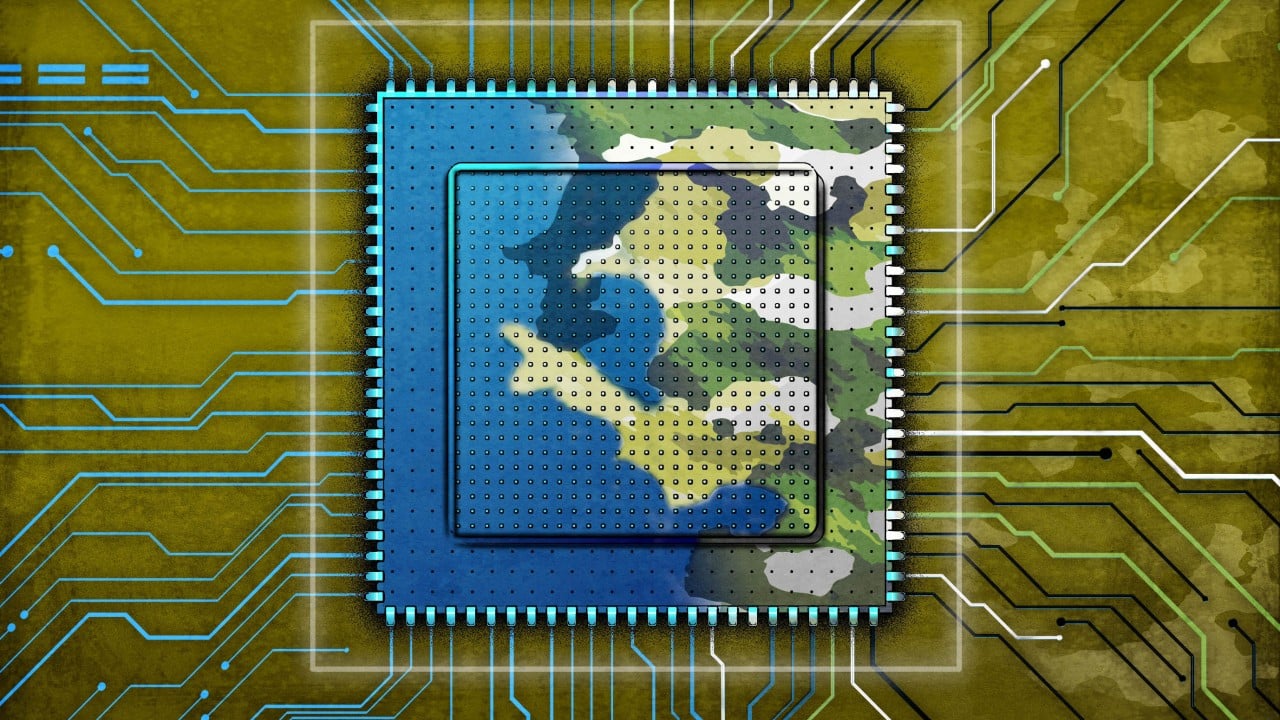
China's defence sector is witnessing a surge in private technology firms entering the rapidly expanding artificial intelligence (AI) domain, with the aim of matching the technological prowess of US giants like Palantir. Jingan Technology, a relatively unknown firm based in Hangzhou, detected an unusual concentration of US surveillance assets in the Middle East, which it claimed indicated preparations for a potential military operation more than 50 days before the actual strikes.
Jingan's flagship product, Jingqi Global Situational Awareness System, has been marketed as a Chinese equivalent to Palantir's software platforms. The company's software has reportedly been deployed in China's public security system, state security apparatus, and some branches of the military.
China's leadership has emphasized the importance of "intelligentisation" of the People's Liberation Army, integrating emerging technologies into future combat capabilities. However, the extent to which AI models have been tested or deployed by the Chinese military remains highly classified. Recent global conflicts have highlighted the critical role of AI in transforming battlefield dynamics, as AI-assisted systems can compress decision-making cycles to just seconds.
Despite these advancements, concerns persist about the reliability of AI-assisted target recognition. As China's military continues to evolve, the focus remains on accelerating the intelligent transformation of the military to achieve strategic superiority.
Written by urgent.news from South China Morning Post's reporting — not their text. Machine-written — may contain errors; check the original before relying on it.