Can we finally use bacteria from crime scenes to solve cases?
Every crime scene contains hidden microbial clues. Now, after decades of promise, researchers are establishing what those bacterial traces can reliably reveal – and whether the evidence will ever stand up in court
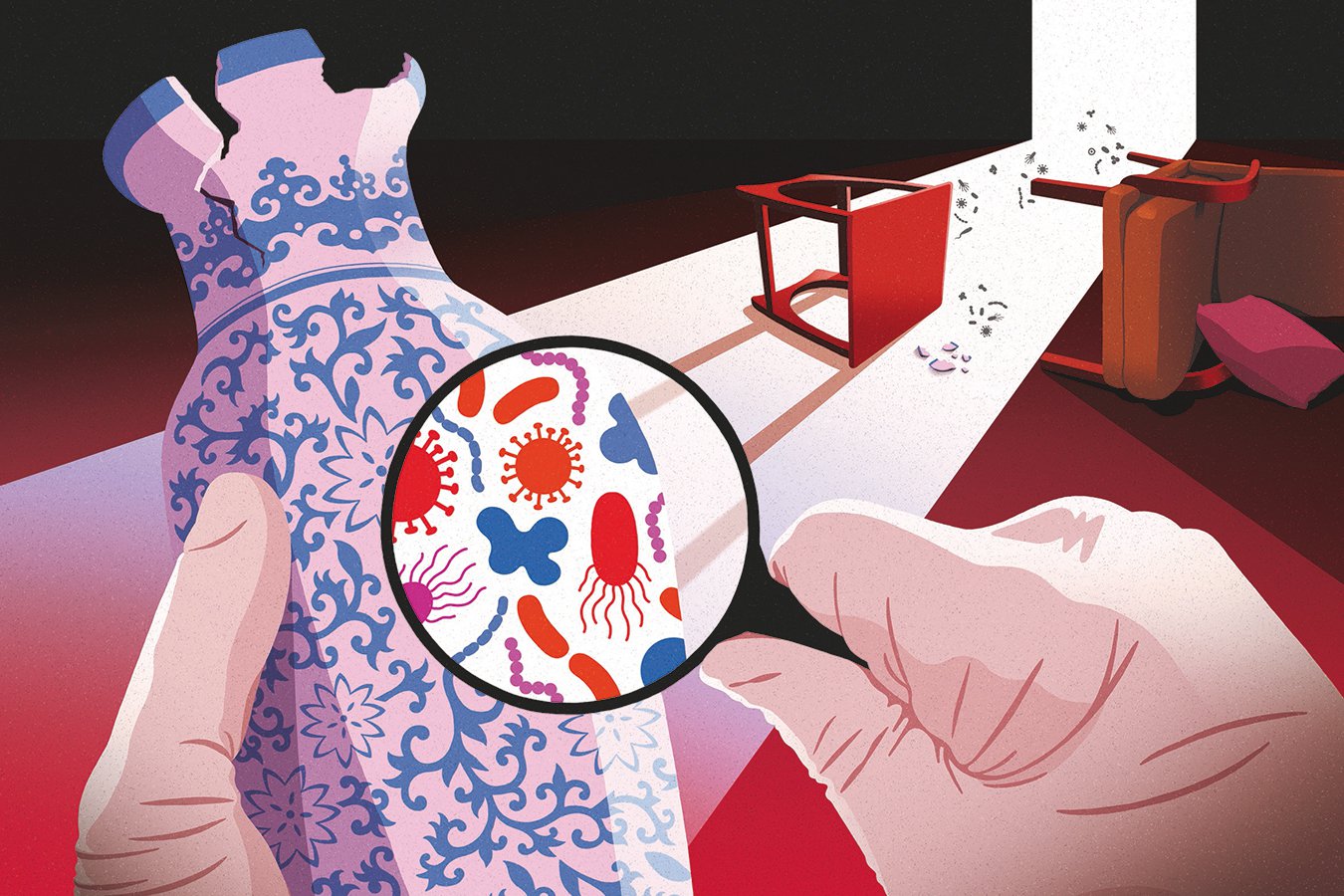
In 2015, two undercover police officers broke into Jose Lopez's residence in Hollywood, Florida, and stole a television. Lopez, a biologist at Nova Southeastern University, was involved in a pioneering project to determine if law enforcement could identify criminals based on the bacteria they leave behind at crime scenes. By examining microbial traces and isolating bacterial DNA, researchers were able to link the bacteria to the officers.
However, when attempting to distinguish the intruders from a database of 10,000 microbiome samples, the results were inconclusive. The study concluded that microbiome evidence was not a dependable source for criminal investigations, casting doubt on its potential as a reliable trace evidence standard. Forensic scientists have long proposed that the trillions of bacteria, viruses, and fungi residing on and within our bodies could serve as a valuable evidence source in forensic science.
The challenge lay in demonstrating the reliability of "microbiome forensics." In recent years, researchers have improved their methods, collaborating with police to clarify the capabilities and limitations of these techniques. They have also developed a method to analyze the post-mortem microbiome to estimate the time of death, a method currently being evaluated in relation to a contentious murder case in Italy.
Forensic microbiology holds significant promise, as it offers a physical evidence source that is consistently associated with every death scene, regardless of location or time. This is particularly valuable in cases where fingerprints and DNA are difficult to obtain. As sequencing technology advanced in the 1990s, forensic scientists could begin analyzing microbial DNA to identify signature bacterial species.
Studies have shown that the unique mix of bacteria residing on our skin, known as the microbial fingerprint, can identify individuals with high accuracy. For instance, a 2010 study demonstrated that a person's bacteria on a keyboard or mouse could distinguish the owner from a database of 270 people. Additionally, research revealed that people leave distinct microbial signatures in their homes, further reinforcing the potential of this evidence.
Written by urgent.news from New Scientist's reporting — not their text. Machine-written — may contain errors; check the original before relying on it.