Can a different kind of Democrat win the Midwest?
This story appeared in Today, Explained, a daily newsletter that helps you understand the most compelling news and stories of the day. The progressive populist Abdul El-Sayed won Tuesday’s Democratic Senate primary in Michigan — though the vote was so close that most outlets didn’t call the race until this morning. It’s not exactly the resounding […]
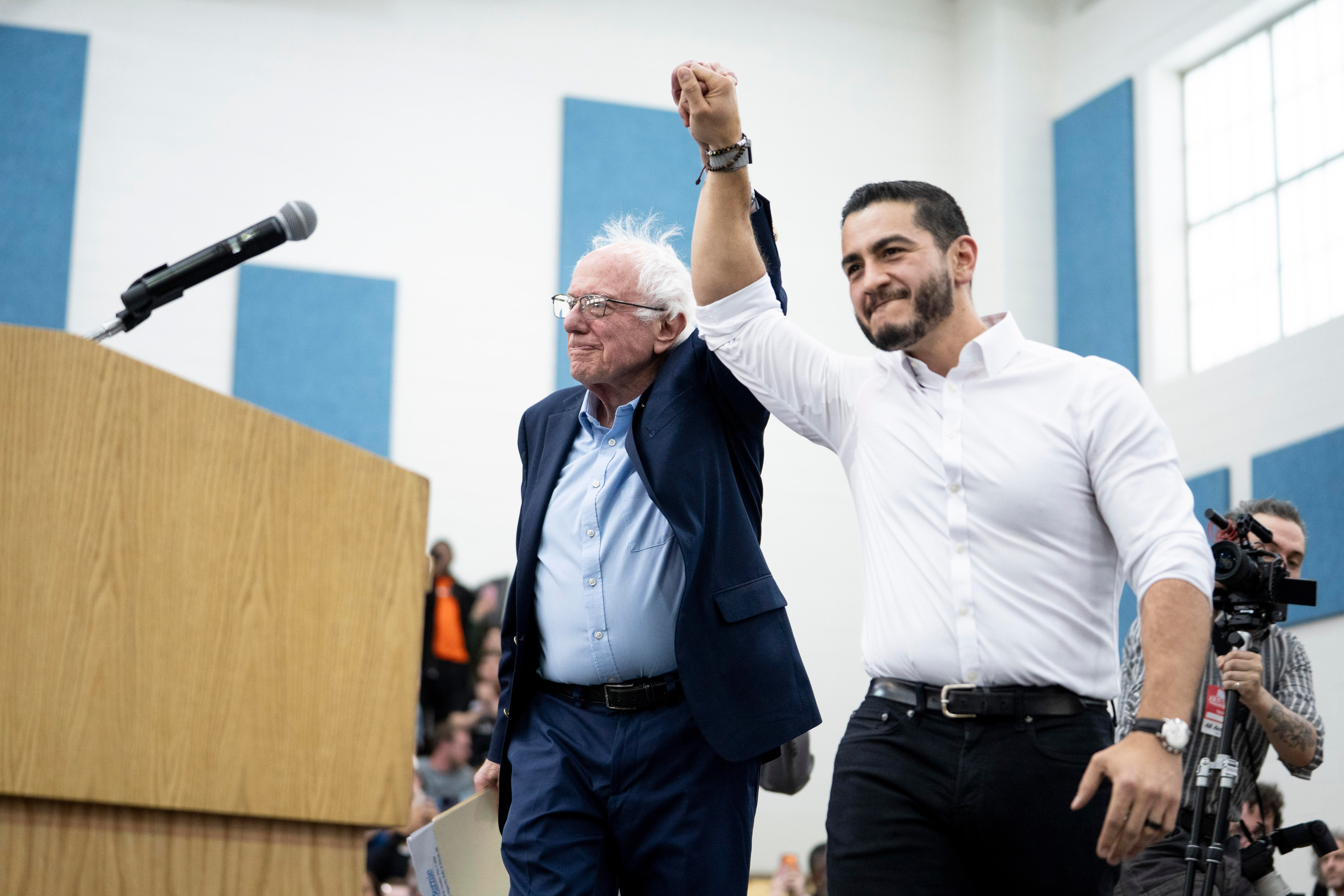
In the recent Democratic Senate primary in Michigan, progressive populist Abdul El-Sayed secured a victory, though the margin was razor-thin and many news outlets refrained from declaring a clear winner. The race between El-Sayed and centrist Rep. Haley Stevens laid bare the challenges of a left-wing populist aiming to win over swing-state voters in a traditionally conservative state like Michigan.
While El-Sayed's campaign highlighted policies like Medicare-for-all and opposition to military aid for Israel, his performance in lower-income and less-educated districts raised questions about the practicality of his approach. Despite heavy backing from Democratic heavyweights and big-money donors for Stevens, El-Sayed's win still carries significant implications for the Democratic Party.
Michigan's diverse voter base, comprising Black Detroiters, suburbanites, college-town progressives, union workers, and various religious communities, presents a formidable test for a left-wing populist candidate. If a left-wing populist can indeed win in Michigan, it would signal a potential shift in the Democratic Party's strategy, but the evidence thus far suggests that such a victory remains elusive.
Written by urgent.news from Vox's reporting — not their text. Machine-written — may contain errors; check the original before relying on it.