Between placards and Parliament: What a ‘pressure group’ is, and where Abhijeet Dipke’s CJP fits
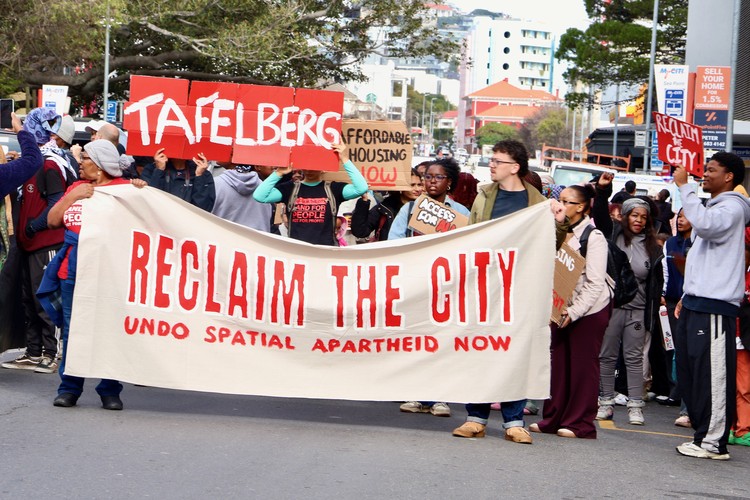
In political science, a pressure group tries to influence policy without contesting elections. History shows the line often moves.

Abhijeet Dipke, founder of the Cockroach Janta Party (CJP), claimed the group would operate as a pressure group to push for governmental accountability. Members of CJP are set to travel to Ranchi to support job seekers protesting irregularities in Jharkhand Public Service Commission exams. Dipke stated that the media's excitement about the party's prospects is not as strong as the party's own.
In political science theory, a pressure group is defined as any organization that seeks to influence public policy without contesting elections or running for office. Political parties, on the other hand, aim to govern. The distinction between pressure groups and political parties pertains to their structures, fundraising methods, and battle strategies.
While opposition parties may act like pressure groups on specific issues, and pressure groups may evolve into parties or spin-offs, they fundamentally differ in their approach. Pressure groups can range from placard-advocacy outfits to industry federations like Ficci, CII, and Assocham, as well as trade unions, farmer unions, and professional associations.
Pressure groups can be classified in three ways: sectional versus promotional, based on Almond and Powell's framework, and according to British political scientist Wyn Grant's categorization of insider and outsider groups. Sectional groups represent specific constituencies, while promotional groups advocate for causes without fixed memberships.
Insider groups are routinely consulted by the government, whereas outsider groups campaign through various media and channels. CJP falls under the promotional category, and its chief spokesperson mentioned Sonam Wangchuk as a mentor, with the group seeking his advice. Funding for pressure groups varies, with sectional groups relying on member dues and promotional groups seeking individual donations, corporate grants, and foreign contributions.
The CJP has faced questions about its funding and legal registration status. India boasts a long history of pressure groups, some dating back to pre-independence, such as Gopal Krishna Gokhale's Servants of India Society, the All India Trade Union Congress (AITUC), the Assocham, Ficci, and the Confederation of Indian Industry (CII).
Written by urgent.news from Hindustan Times's reporting — not their text. Machine-written — may contain errors; check the original before relying on it.
This story
This is one outlet's version. Read the fullest account.