Beneath the Wallpaper: On Art, Photography and Hidden Everyday Violence
From the linen a squall rises and the bones of Norman horses line the channel. The storm, like the needle, has a round and guiding eye. WILLIAM’s fleet lands at England’s southern shore, short a couple ships. Here the Normans
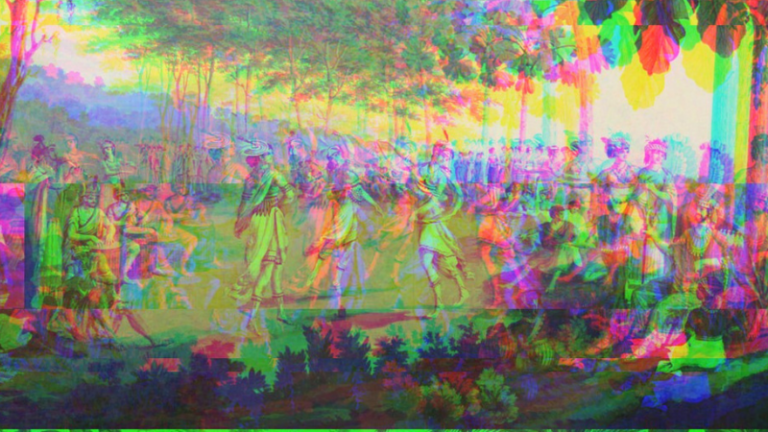
The wallpaper's vivid palm trees and open, windowless space create a disorienting atmosphere for the future professor, who runs miles within the confines of her basement gym. The images of William's conquest and Norman horses evoke a sense of violent history, while the artist's portrayal of a conquered woman contrasts with the brutality of the conquest.
The professor's personal history is marked by her father's treadmill and weight bench, a symbol of her own endurance and resilience. The professor's discussion of John Berger's perspective on photography reveals the complex relationship between representation and reality. The image of prisoners at Shepton Mallet, forced to stare at walls while performing a meaningless task, highlights the dehumanizing effects of industrial labor and punishment.
The professor's reference to Charlotte Perkins Gilman's "The Yellow Wall-Paper" reveals the lingering power of media and narrative to shape our understanding of the world, even as the technologies of representation evolve.
Written by urgent.news from Literary Hub's reporting — not their text. Machine-written — may contain errors; check the original before relying on it.