Beavers Once Parachuted From Planes in 1948 to Relocate — Their Legacy Still Shapes the Idaho Wilderness Today
Learn how, after World War II, a test beaver named Geronimo helped Idaho launch an airborne relocation that created valuable wetland habitat.
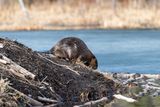
In 1948, beavers embarked on an unprecedented journey, being parachuted from planes to a remote area in Idaho. This unusual experiment aimed to relocate the animals from areas where their dams caused flooding and disruptions. The Idaho Department of Fish and Game saw potential in the beavers' natural ability to create wetlands, which could benefit the ecosystem.
The logistics of the operation were challenging. Handlers had to transport the beavers great distances on horseback, as roads ended far into the wilderness. Some animals succumbed to stress or overheating during the journey. However, the innovative idea of using parachutes to transport the beavers was devised by Elmo Heter, a wildlife officer.
Heter's design involved suspending wooden boxes beneath parachutes, allowing the beavers to be released into new habitats. The first group consisted of Geronimo, a male beaver, and seven females. After several test drops, the system proved effective, with 75 out of 76 beavers surviving their airborne trip.
Upon landing, the beavers quickly adapted to their new surroundings. They constructed dams, transforming the landscape and creating valuable wetlands. This ecological success demonstrated the beavers' ability to restore natural habitats, even within protected wilderness areas.
The beavers' presence in Idaho has had a lasting impact. Today, their dams can be found across major river systems, providing habitat for various species and helping maintain water flow during dry periods. While the parachutes have long since disappeared, the legacy of these parachuting beavers endures, shaping the Idaho wilderness for generations to come.
Written by urgent.news from Discover Magazine's reporting — not their text. Machine-written — may contain errors; check the original before relying on it.