Asia shares climb as tech mood swings, oil retreats
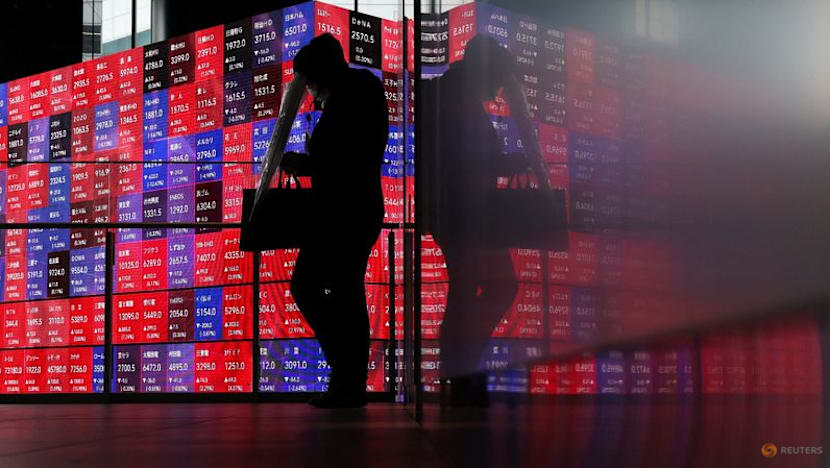
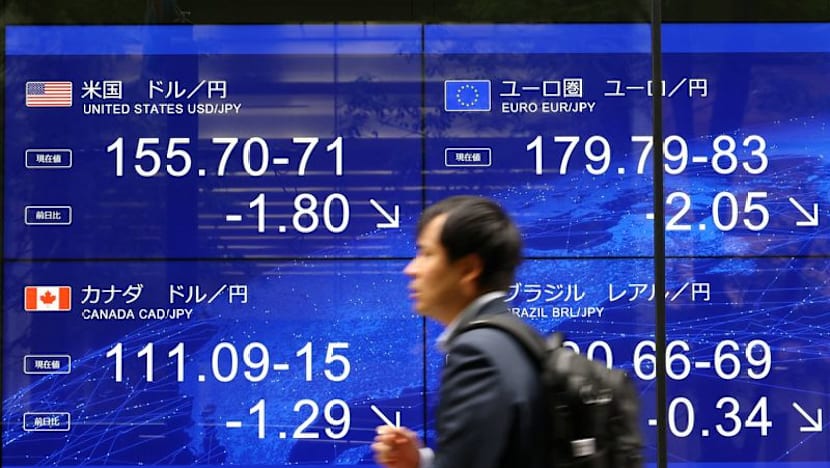
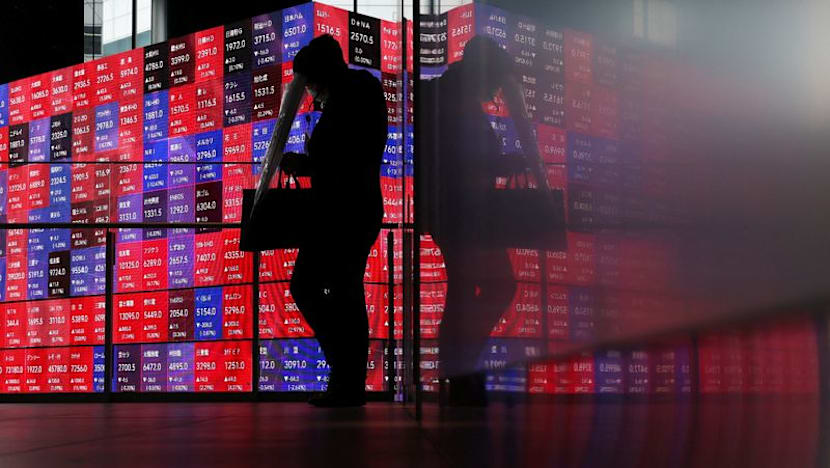
Asian stock markets surged on Wednesday (Aug 5), buoyed by strong earnings and an increased enthusiasm for tech, propelling Wall Street to new record highs. Meanwhile, optimism surrounding the potential opening of the Strait of Hormuz contributed to a decline in oil prices and bond yields. Japan's Nikkei climbed 3.0 percent, while South Korea added 4.1 percent, continuing its streak of volatile movements.
The MSCI's Asia-Pacific index, excluding Japan, rose 2.4 percent, and Chinese blue chips gained 0.7 percent. The tech rally was fueled despite AMD's setback, which fell 8.8 percent after hours as earnings surpassed expectations but still fell short of investors' overly optimistic assumptions. SpaceX, an AI and satellite group, dropped 7.5 percent, erasing much of its gains from regular trading hours due to concerns about capital expenditures consuming all its cash flow.
Chris Weston, head of research at broker Pepperstone, noted that the sector's borrowing costs are on the rise, casting doubt on how companies will fund their expansion and what it will cost them. Nasdaq futures remained steady, while S&P 500 futures increased by 0.3 percent after reaching all-time highs on Tuesday. EUROSTOXX 50 futures gained 0.4 percent, and DAX futures rose 0.8 percent, with FTSE futures adding 0.3 percent.
Oil prices slid, bolstered by the ongoing progress in resolving the US-Iran conflict. Brent crude dropped 1.4 percent to $78.27 a barrel, far below its July peak of $102, while U.S. crude fell 1.7 percent to $74.50. Energy economist John Oh from CBA explained that ship tracking numbers indicate oil flows through the Strait of Hormuz are more resilient than initially thought, potentially reaching 40 to 45 percent of pre-war levels last week.
This development could signal oversupply conditions in global oil markets when the strait is officially reopened. The decline in oil prices alleviated inflation concerns and lifted global bond markets, pushing 10-year Treasury yields down to 4.603 percent from last week's peak of 4.747 percent. Fed Bank of Kansas City President Jeff Schmid predicted a 57 percent chance of a September rate hike, down from the previous 67 percent.
However, Chris Weston highlighted that the funds management for the sector's growth and the associated costs will likely remain a central theme for investors in the coming quarters.
Written by urgent.news from Channel News Asia's reporting — not their text. Machine-written — may contain errors; check the original before relying on it.
This story
This is one outlet's version. Read the fullest account.
- Asia shares surge on tech mood swing, oil retreats channelnewsasia.com