ANALYSIS: SA electricity shake-up might plug billing gaps, but sparks will fly
While Eskom’s success in ending load shedding is a crucial triumph of the Ramaphosa era, many people are now living without electricity for much of the time because they simply cannot afford it. A new billing system is supposed to change all of this. Expect a big fight.
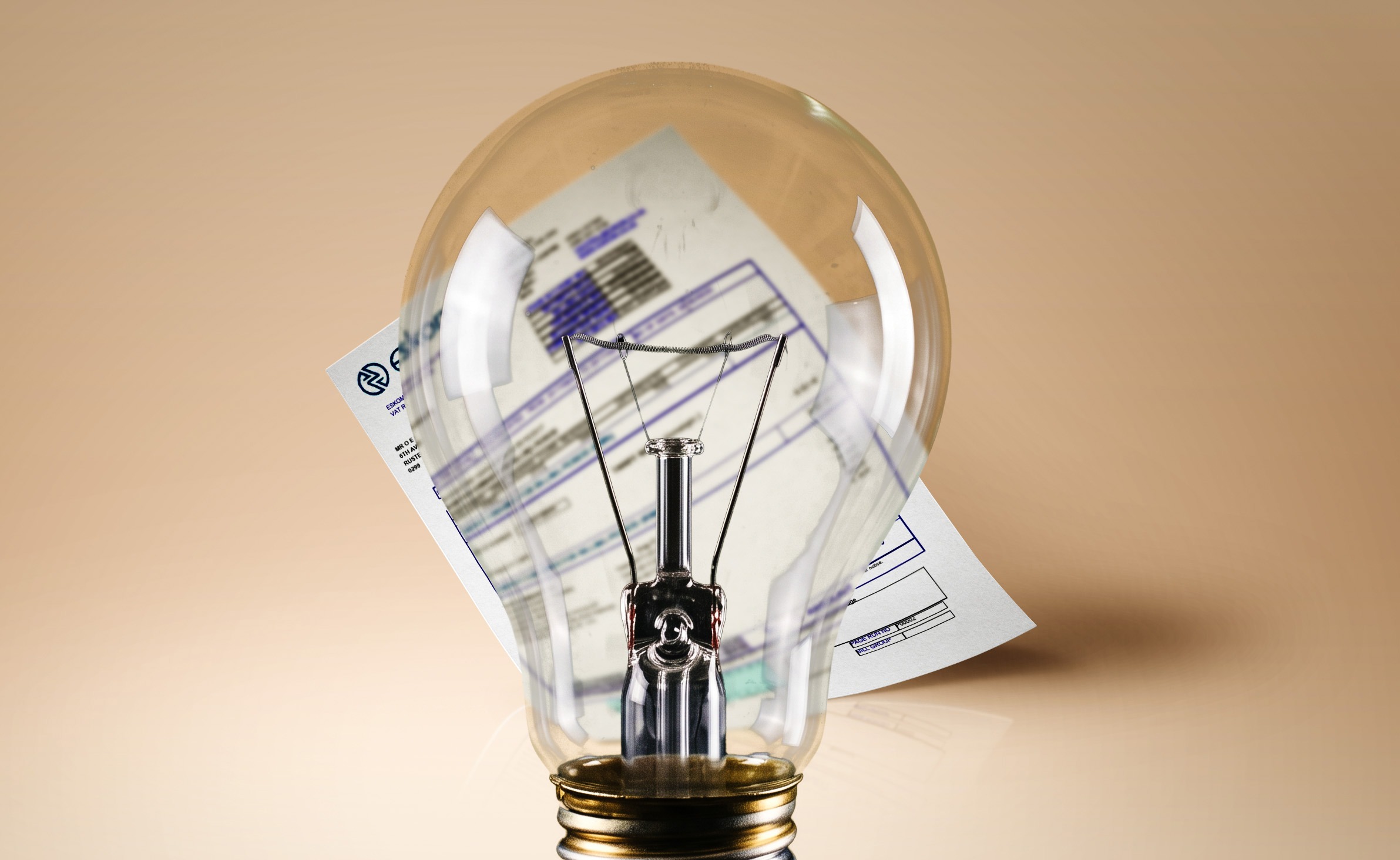
South Africa's electricity sector is set for a major shake-up that could potentially address long-standing billing issues, but it may also stir significant controversy. Eskom's recent success in eliminating intermittent power outages, largely attributed to the government of President Ramaphosa, has brought attention to the looming problem of unaffordable electricity for many South Africans.
Eskom Minister Kgosientsho Ramokgopa has been acutely aware of the tariff crisis since shortly after the end of load shedding. He pointed out that having electricity without the means to pay for it is futile. To address this, Ramokgopa has proposed a new billing system designed to enhance transparency and control costs.
Under the proposed system, consumers would receive detailed bills that break down the cost of electricity into components such as transmission, distribution, and administration. The cost of electricity generation itself would also be explicitly stated. This level of transparency aims to make it easier for consumers to understand exactly where their money is going.
A key feature of the new system is a cap on "leakage" costs – the portion of bills that represent unpaid electricity or technical losses. Currently, these losses can amount to up to 30% of the electricity distributed by councils. The leakage cap, set according to international standards, will be administered by the energy regulator, Nersa. If councils exceed the cap, they risk losing their distribution licences, potentially leading to Eskom taking over the provision of electricity in those areas.
This proposed change primarily affects individual homeowners but could also have significant implications for businesses and municipalities. A "concessional tariff framework" is being considered to ensure that businesses can continue operating sustainably without unduly burdening consumers. Currently, major electricity consumers like smelters are often subsidised by Eskom, ultimately shifting the financial burden onto the general public.
The proposed changes could lead to major disruptions as the existing billing system, which has been entrenched for years, is overhauled. The entire industry has grown around the old tariff structure, with many fuel stations thriving due to the regulated petrol pricing system. If transparency leads to lower prices, it could have far-reaching effects, potentially prompting people to relocate for better transmission costs or prompting municipalities to seek alternative financial support from provincial or national governments.
Written by urgent.news from Daily Maverick's reporting — not their text. Machine-written — may contain errors; check the original before relying on it.