An Abandoned SpaceX Rocket Crashed Into the Moon. Here’s What It Looks Like Now
The rocket drifted in space for over a year before finally plummeting to the moon’s surface.
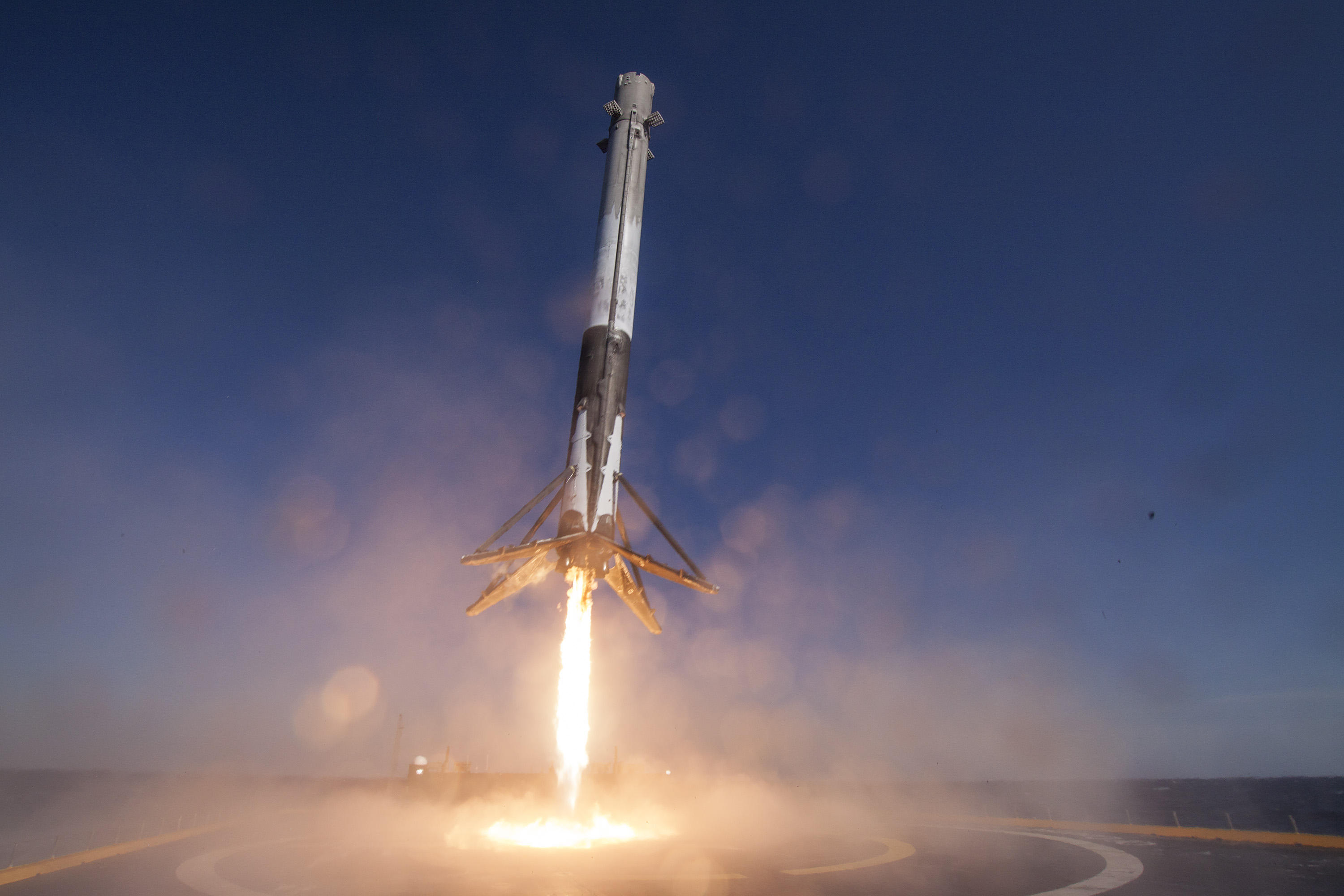
In January of the previous year, SpaceX successfully launched a Falcon 9 rocket carrying NASA's and Firefly Aerospace's Blue Ghost lunar lander. The Blue Ghost made history as the first commercially built lunar vehicle to touch down on the moon, while the Falcon 9's discarded upper stage drifted in space for 18 months before crashing.
On August 5, at approximately 2:35 a.m. ET, the upper stage impacted the lunar surface near the Einstein Crater on the moon's western side. The impact site, estimated to be around 60 feet wide and 10 feet deep, became the moon's newest addition.
A series of preparatory measures were taken in anticipation of the crash, including the Lunar Reconnaissance Orbiter and South Korea's Korea Pathfinder Lunar Orbiter photographing the impact site beforehand. The Falcon 9's upper stage, the size of a five-story building and weighing as much as a heavy-duty pickup truck, was the cause of the crash. Despite the dramatic scene, it was the resulting plume of moon dust that was more visible to observers than the actual impact.
Initial images of the crash site were released by the Korea Aerospace Administration (KASA) on August 6, followed by images from NASA's Lunar Reconnaissance Orbiter (LRO) on August 20. The LRO team had to wait for the moon's rotation to position the crash site within its field of view, requiring precise timing and adjustments. KASA and NASA collaborated to gather and share the images, with NASA's Jet Propulsion Lab team refining the trajectory of the rocket's crash and sharing the data with KASA's Danuri team to aid in locating the crash site.
The crash of the Falcon 9's upper stage has sparked discussions about space junk, particularly as low Earth orbit becomes increasingly cluttered with debris resulting from numerous recent launches, notably those led by SpaceX. While NASA acknowledges the planned disposal of upper stages on the lunar surface as a technically accepted method, it emphasizes that the event is inconsequential in the broader context.
The moon, lacking an atmosphere, is continuously bombarded by meteorites. NASA sees the unplanned disposal of the upper stage as a safe and predictable way to manage end-of-life for missions in low lunar orbit.
Written by urgent.news from CNET's reporting — not their text. Machine-written — may contain errors; check the original before relying on it.