AMD’s AI-powered revenue forecast fails to wow investors
The company expects third-quarter revenue of about US$13 billion, plus or minus US$300 million, while analysts estimate US$12.52 billion.
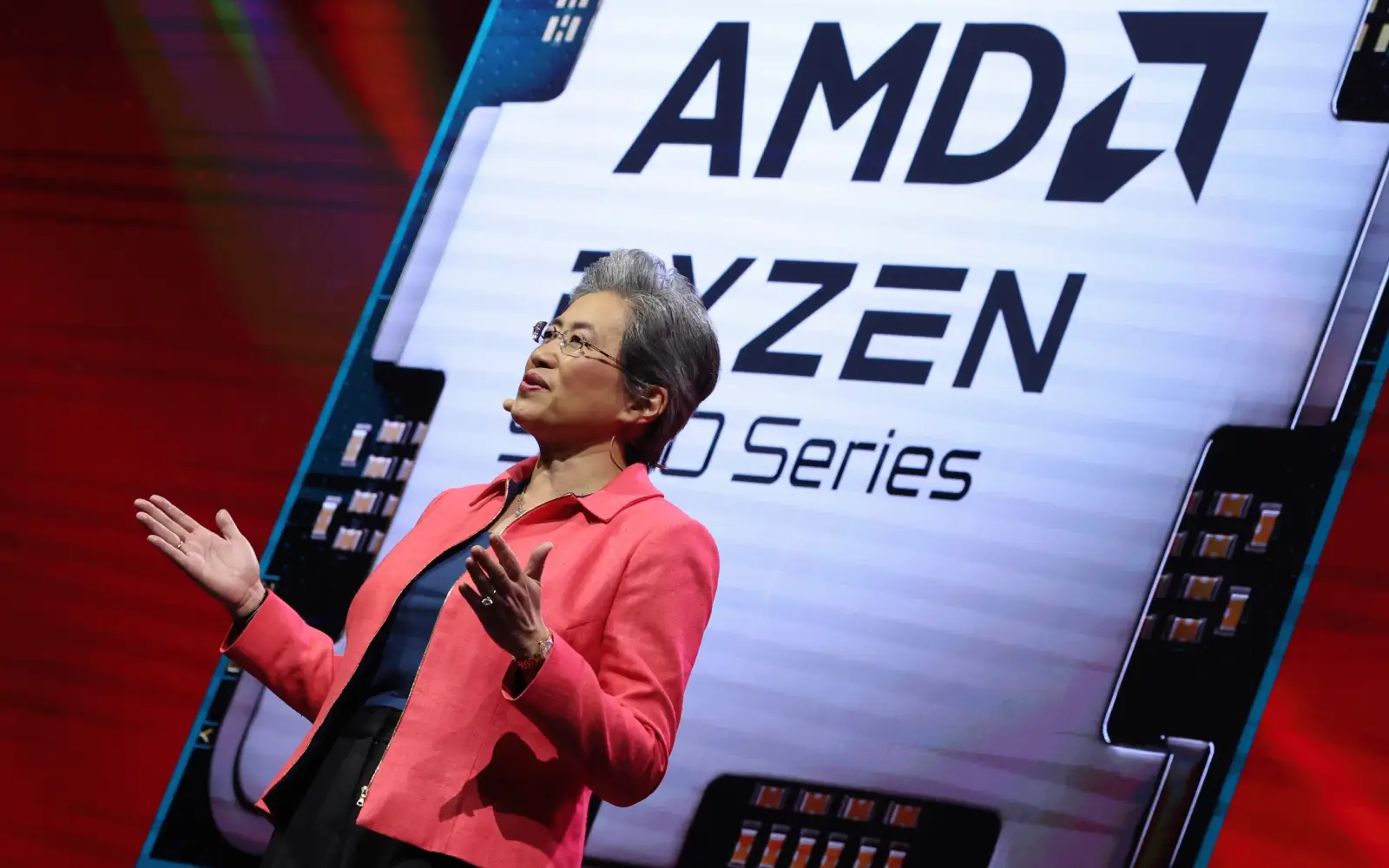
San Francisco-based semiconductor company AMD delivered a quarterly revenue forecast that surpassed Wall Street's expectations on Tuesday, driven by robust demand for its chips in the burgeoning data center market. Despite the positive outlook, AMD's shares experienced a nearly 9% decline in extended trading, reflecting investor skepticism that the company's AI-driven growth plans would materialize as strongly as anticipated.
Analysts maintain AMD is now in a comparable position to Nvidia, the industry leader and hyperscalers, with investors eagerly awaiting evidence that AI infrastructure investments will continue to generate accelerating returns. Emarketer analyst Jacob Bourne highlighted this shift in investor sentiment.
AMD CEO Lisa Su disclosed that the company anticipates its data center sales to more than double by 2027, with total revenue growth expected to exceed a remarkable 35% target. The CEO also emphasized that AMD's earnings would surpass the company's US$20-per-share goal, which was set during the 2025 analyst day.
AMD's optimism stems from its third-quarter revenue of around US$13 billion, with a possible range of US$12.72 billion to US$13.30 billion, as per data compiled by LSEG. The company's adjusted gross margin is projected to be around 56%, closely aligning with estimates.
The forecast suggests that AMD's investments in challenging Nvidia's dominance in the AI chip market are beginning to yield results. In the second quarter, AMD's data center revenue more than doubled to US$6.72 billion, outperforming expectations of US$6.48 billion. Sequential growth of 16.3% further bolstered this achievement, with the first quarter's revenue reaching US$5.78 billion.
Moreover, AMD has expanded its AI offerings by integrating processors, networking gear, and related hardware into cohesive systems, enabling customers to benefit from a more comprehensive solution. This approach allows AMD to better compete with Nvidia's rack-scale products, which unveiled their next-generation "Vera" CPU in March, designed to pair with their "Rubin" line of graphics processors.
AMD's strategic shift towards AI hardware has also been bolstered by the growing demand for central processing units, which are increasingly used alongside graphics processors in servers for inference tasks. This growing demand has allowed AMD to capture market share from Intel, which recently announced plans to boost its spending in the coming years to capitalize on the demand boom.
In July, AMD announced a significant agreement with Anthropic to supply tens of billions of dollars worth of AI servers equipped with up to 2 gigawatts of MI450 chips, with deployment milestones contingent on the company's investment of up to US$5 billion in Anthropic's IPO. Additionally, AMD locked in up to 2.5 gigawatts of data center capacity through a deal with Core Scientific and secured warrants to purchase the company's stock.
Written by urgent.news from Free Malaysia Today's reporting — not their text. Machine-written — may contain errors; check the original before relying on it.
Also reported by 1 other outlet
- AMD's AI-powered revenue forecast fails to wow investors economictimes.indiatimes.com