Afghanistan’s child deaths rising as food distributions face cuts, says UN
The World Food Program attributed supply shortages to conflict in West Asia and a nine-month border closure between Pakistan and its neighbours, disrupting nutrition product deliveries
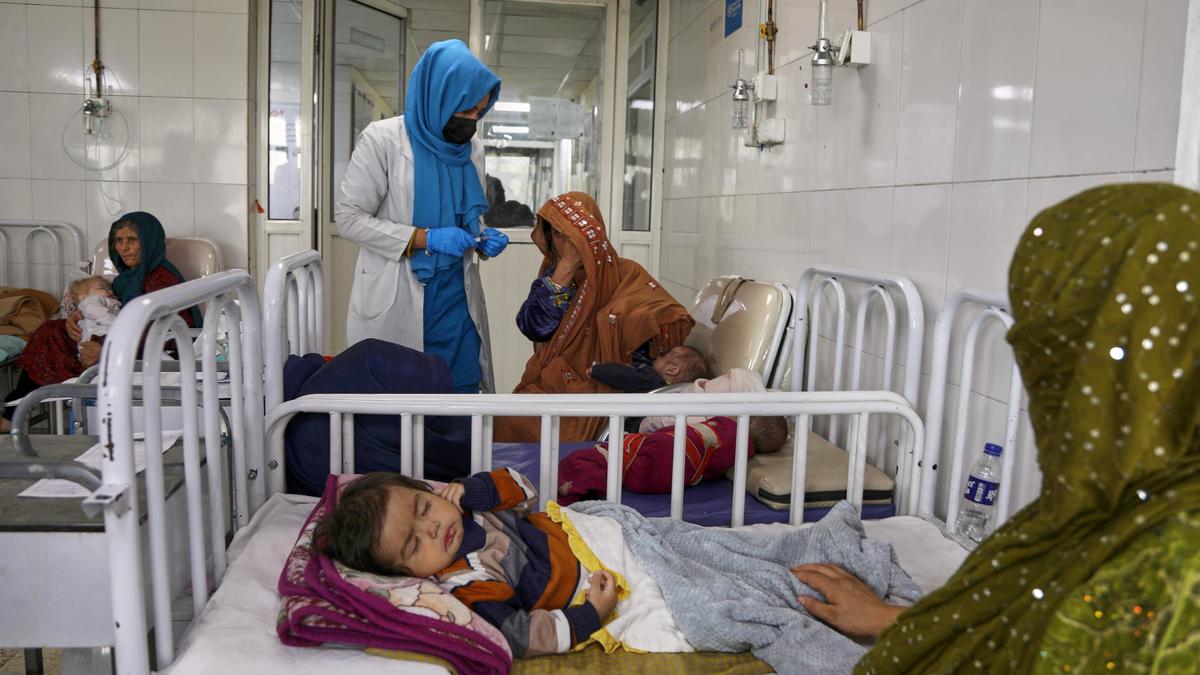
The United Nations World Food Program (WFP) has reported a critical rise in child malnutrition in Afghanistan, with the condition expected to worsen due to funding shortfalls. Child malnutrition has reached critical levels in a third of the country's provinces, with wasting among children worsening this year in over three-quarters of the nation.
The WFP states that nearly 3.7 million Afghan children are projected to suffer from acute malnutrition this year, along with 1.2 million pregnant and breastfeeding women. The agency attributes the rise in malnutrition to a combination of conflict, unemployment, rising food prices, disease outbreaks, poor water and sanitation, and reduced humanitarian funding.
Over 142 health centers have closed in 2025 due to aid reductions, leaving 13,000 children without access to nutrition treatment. Food distributions aimed at preventing famine in the worst-hit areas are being suspended due to lack of funding, even though the annual peak season for malnutrition is between July and October. The WFP urgently needs $540 million over the next six months to address the crisis.
Brief written by urgent.news from The Hindu Health's own syndicated text. Machine-written — may contain errors; check the original before relying on it.