Why are the Washington wildfires so severe? Spokane fires explained
Why Spokane's wildfires spread so fast, what caused them and why Washington is facing a major fire crisis.
Washington's recent wildfires serve as a cautionary tale for the entire United States, with dry conditions and climate change increasing the risk of disaster in forests across the nation. Seattle, Washington experienced the worst wildfires in state history this weekend, resulting in about 450,000 acres destroyed in summer. Although large fires have traditionally been a western U.S. issue, heat waves and droughts are rising nationwide, indicating that large urban conflagrations are a growing concern.
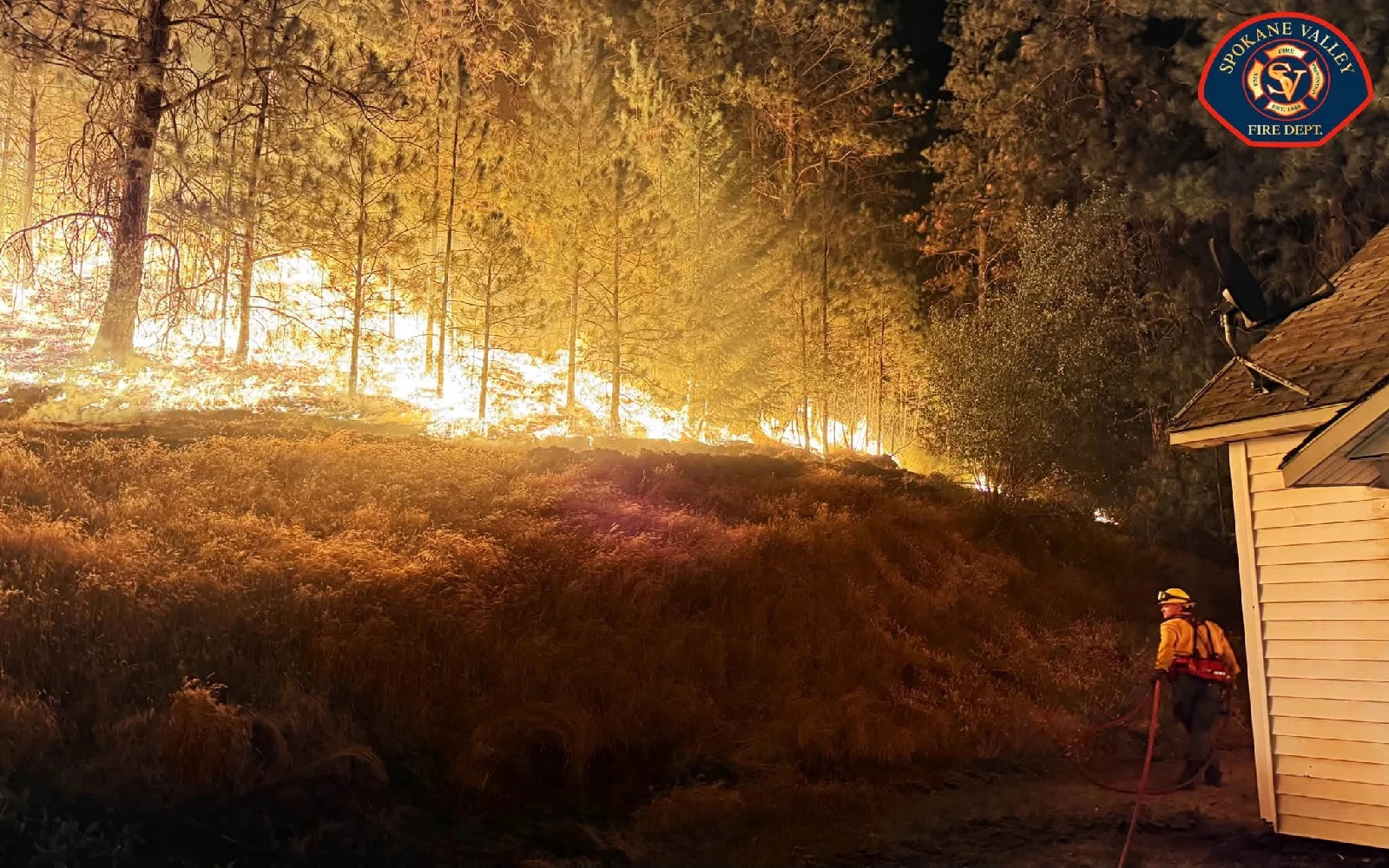
Erica Smithwick, a climate scientist at Pennsylvania State University, explains that every wildfire requires ignition, fuel, and dry conditions – factors becoming more prevalent due to climate change. Spokane saw three separate fires, collectively known as the Spokane Complex Fires, which ignited last Saturday, burning over 7,700 acres, destroying more than 700 structures and forcing 65,000 people from their homes.
The blaze remains uncontained as of Monday morning. Prior to the fires, a "red flag" warning was issued, marking the first time the National Weather Service had ever labeled a situation "particularly dangerous." Climate change is expanding wildfire risks across the U.S., with heat waves and droughts becoming more frequent. A 2024 study found extreme wildfires occurring twice as often as they did two decades ago.
New Jersey, Tennessee, and Maui—states previously considered low-risk for wildfires—have witnessed devastating fires recently. Northern Plains and Upper Midwest regions are also experiencing heightened fire risks due to "flash droughts," where landscapes become extremely dry rapidly. As climate change intensifies, one-third of U.S. residents and buildings face wildfire hazards, according to a 2024 government analysis.
Studies have demonstrated that climate change influences extreme events, causing wildfires to burn more area and occur year-round. Smithwick emphasizes that anywhere can burn under the right conditions, with changing weather patterns making wildfires increasingly likely.
Written by urgent.news from Scientific American's reporting — not their text. Machine-written — may contain errors; check the original before relying on it.
This story
This is one outlet's version. Read the fullest account.
- Virulent wildfires raze entire neighbourhoods in Washington state france24.com
- Wildfires destroy hundreds of buildings, displace tens of thousands in Washington state pbs.org
- Washington State wildfires destroy over 700 buildings and force 64,000 to flee japantimes.co.jp
- Washington wildfires destroy homes, force thousands to evacuate npr.org
- Washington's wildfires are a warning for the entire U.S. scientificamerican.com