What’s the difference between fashionably late and straight-up rude? We asked three experts.
There are two kinds of people in this world: those who find it acceptable to be a little tardy and those who consider it an affront to all that is decent. As someone who frequently runs late, I’m often relieved when someone else is, too. And I don’t mind if a friend is a bit […]
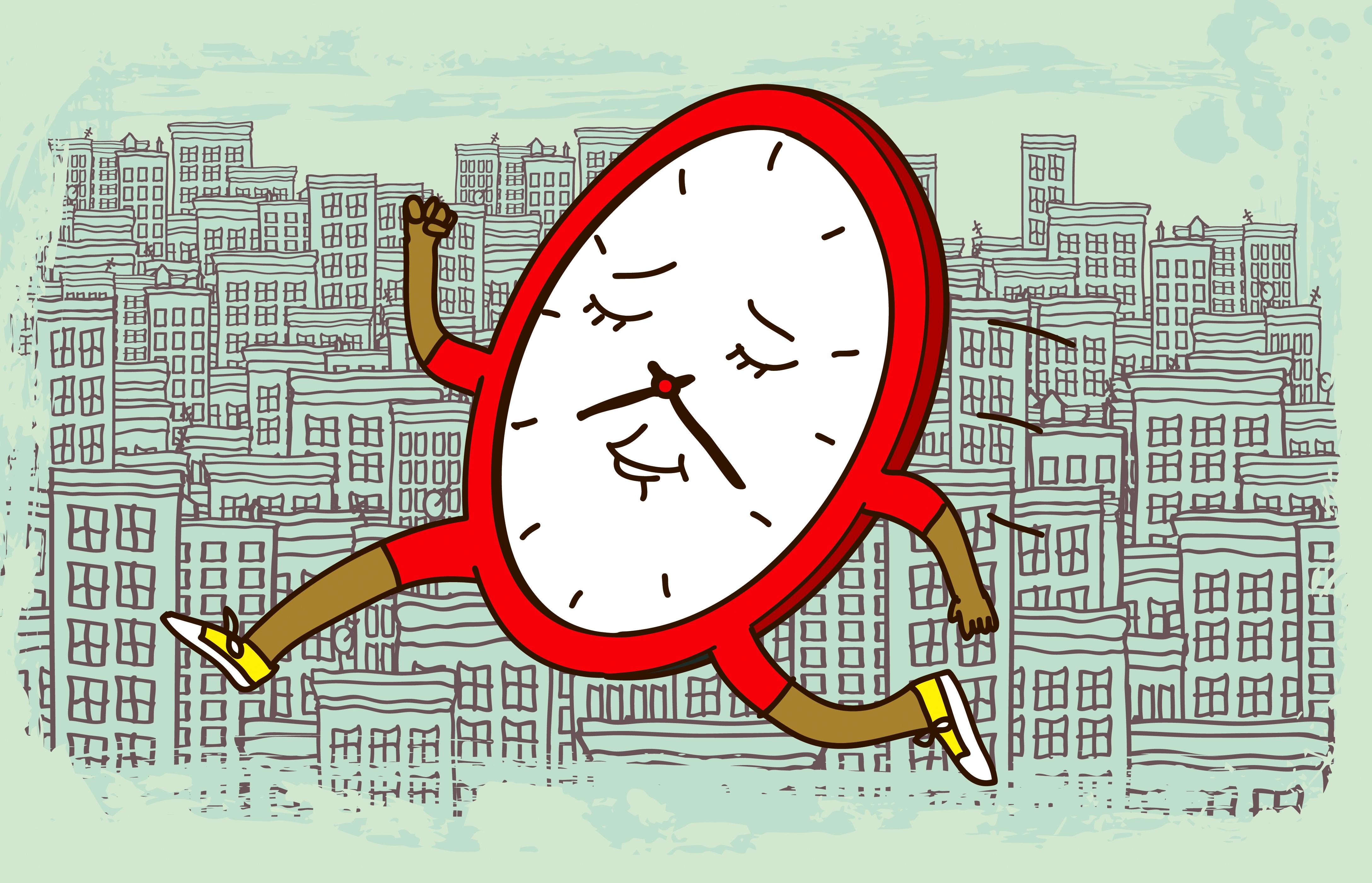
There are two types of individuals in this world: those who view a slight delay as acceptable and those who consider tardiness to be highly disrespectful. As someone who often runs late, I typically appreciate when others do too. I find it undeniably inconvenient when a friend is significantly delayed, but the absolute worst case scenario is having some peace and quiet to check my phone.
However, the exact opposite holds true for the chronically punctual. To them, showing up late is a clear indication that you do not value others' time and that whatever you are doing is far more important. The truth is usually far more mundane. People who consistently arrive late may overestimate how long tasks will take, such as getting ready or commuting, or they may be multitasking or simply lose track of time.
Clearly, no one would be content with waiting at a restaurant for an hour while their date insists they will only be ten minutes away. So, is there a socially acceptable range for lateness that satisfies both the desire for punctuality while still showing understanding toward those who struggle with time? To find out, I reached out to three experts with diverse perspectives: an etiquette authority, a researcher who has studied lateness, and a highly punctual individual with strong opinions on the matter.
All responses have been edited and condensed for clarity. The etiquette expert states that there is a 15-30 minute window for most gatherings. Arriving even slightly beyond this timeframe is considered highly inconsiderate. For casual events like a Zoom call, meeting a friend at a restaurant, or visiting someone's home, being five minutes late is acceptable and easily forgivable.
However, showing up half an hour late to dinner can lead to the restaurant not seating you, as they may assume you’ve canceled. Similarly, arriving late to a surprise party can damage the well-planned surprise and potentially offend the host. The etiquette expert advises that if you know you will be delayed, it is courteous to inform the other person via phone call or text message.
If you are planning to be together for an hour and are approaching the 30-minute mark, it might be worth checking in with the other party to see if meeting at that time would be too disruptive. The lateness researcher emphasizes that cultural norms play a significant role in how lateness is perceived. For example, in Pakistan, there is a much wider tolerance for being late compared to the Dutch or South African cultures, where a 15-minute window is considered more strict.
In cultures that adhere to the Protestant work ethic, being late is viewed as a violation of an implicit agreement between two individuals regarding time. However, the acceptable range of lateness may vary depending on the importance of the appointment and the relationship between the parties involved. The punctual individual contends that the best approach is simply to arrive early.
For a home-hosted dinner party, showing up no later than 30 minutes late is tolerable. At a restaurant, arriving five minutes before the reservation time is considered inconsiderate, as the restaurant cannot seat guests until everyone is present. In contrast, the etiquette expert and the lateness researcher suggest that arriving a few minutes late to social gatherings is generally more acceptable.
Ultimately, the key seems to lie in clear communication, setting expectations, and being mindful of the cultural context surrounding time.
Written by urgent.news from Vox's reporting — not their text. Machine-written — may contain errors; check the original before relying on it.