What if Freud Was Right and Pharma Was Wrong?
A neuroscientist dares to argue that old-fashioned psychoanalysis—not drugs—holds the key to curing mental illness.
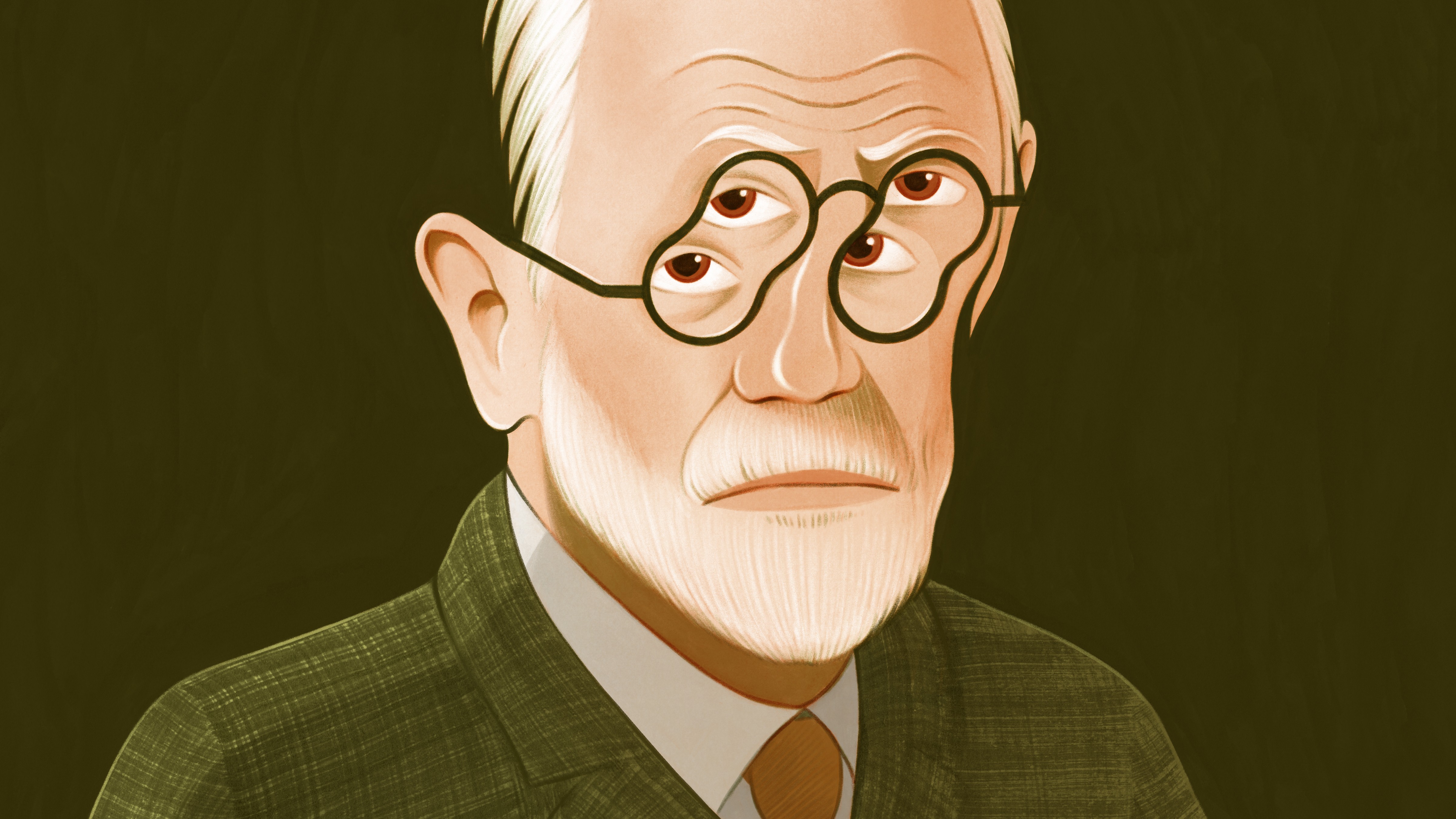
In the field of psychiatry, the use of psychoanalytic methods is often regarded with skepticism and dismissiveness. Researchers and clinicians have long dismissed Freudian theories and techniques as outdated, unscientific, and ineffective. The cultural and scientific influence of Sigmund Freud has receded over the past 70 years, with psychiatry increasingly favoring evidence-based biological approaches.
The focus has shifted towards pharmacological treatments, genetic testing, and objective neurological measurements to diagnose and treat mental health disorders.
However, a new book by Mark Solms, The Only Cure: Freud and the Neuroscience of Mental Healing, presents a compelling case for the validity of Freudian theories and psychoanalytic methods in treating mental illness. Solms, a neuroscientist, is a proponent of Freud's ideas and has conducted extensive research in neuroscience, including discovering the pathway responsible for stimulating dreams and disproving the notion that dreaming is solely dependent on REM sleep.
The author argues that Freudianism, despite being labeled as pseudoscience and even a form of witchcraft, may still hold valuable insights for modern psychiatry. The author cites Solms' research as evidence that Freudian theories, when properly understood and applied, can offer a valid and effective approach to mental healing. By framing Freud's work within the context of contemporary neuroscience, the book aims to challenge existing paradigms and revive interest in alternative methods for treating emotional disorders.
Written by urgent.news from The Atlantic's reporting — not their text. Machine-written — may contain errors; check the original before relying on it.