VIP, APP, PPT: Are English abbreviations harming China’s cultural confidence?
A Chinese speaker today might describe their day at work as first making a “PPT” (a PowerPoint presentation) and then having to “PS tu” (Photoshop an image). After clocking off, they might “chang K” (sing karaoke) with friends before taking the “C wei” (centre spot) in a group photo. These novel phrases spring from the widespread habit of adopting English abbreviations directly into daily speech,…
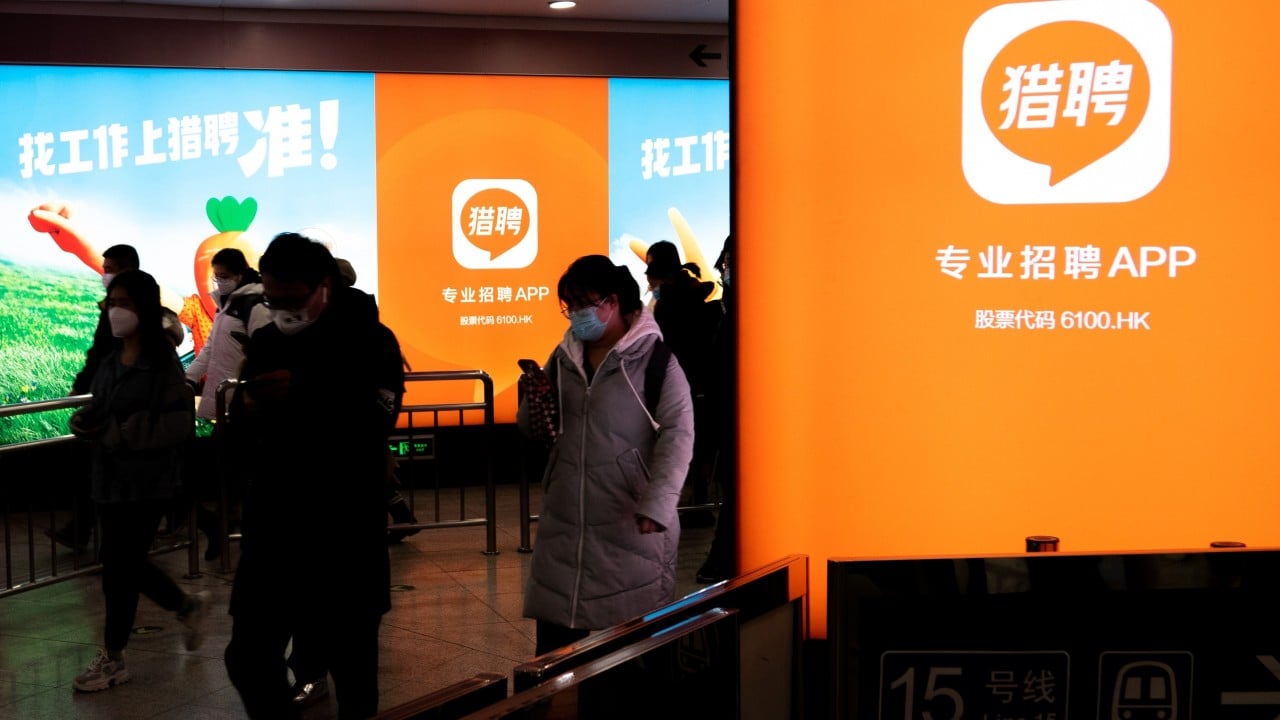
Chinese speakers today might describe their day at work as first making a "PPT" (PowerPoint presentation) and then having to "PS tu" (Photoshop an image). After work, they might join friends in "chang K" (karaoke) before taking the "C wei" (centre spot) in a group photo. These new phrases originate from the common practice of incorporating English abbreviations directly into everyday conversation, typically pronounced letter by letter.
While this natural outcome of cultural exchange has raised concerns, one expert argues that preserving the language's "capacity for self-renewal" is crucial.
Fang Jing, a member of the Shanxi Science Writers Association, highlighted that China is grappling with thousands of letter-based terms entering daily usage. The People's Daily interviewed Fang to discuss whether the increasing use of English abbreviations could limit the Chinese language's expressive capacity. As new technologies enter public discourse, they often exist in two parallel forms – an English word and a formal Chinese name – without developing common, easily understood Chinese equivalents, Fang explained.
In March, People's Daily launched a campaign to suggest a new Chinese name for artificial intelligence (AI), acknowledging that while AI has a formal Chinese translation, the English abbreviation was more widely used due to its conciseness. Fang emphasized that promoting Chinese terms is essential for the "standardisation and continuity" of China's "national common language".
The notion of "cultural confidence" receives official support from the highest levels. President Xi Jinping, in 2016, outlined the "Four Confidences" – confidence in the path, theory, system, and culture of socialism with Chinese characteristics, later incorporated into the Communist Party's constitution. In 2023, Xi reiterated the importance of cultural confidence, stating that with unwavering confidence, a deep sense of mission, and relentless effort, China must unite to create a new culture for its time.
The debate over English influence has historical roots, with concerns about Western languages impacting Chinese dating back to the 1970s and 1980s. Early critics, like poet and translator Yu Kwang-chung, warned against indiscriminate imitation of foreign sentence patterns that could weaken Chinese modes of expression. Fang noted that while Yu advocated for careful adoption of foreign influences to enrich the language, debates over English borrowings have persisted.
State media and commentators have frequently criticized excessive use of English borrowings, advocating for efforts to protect Chinese "purity" and reduce reliance on loanwords. Concurrently, they have celebrated the growing global circulation of Chinese-origin words, such as "Shaolin", "yin-yang", "ni hao", and "dama", as evidence of the country's expanding cultural influence.
Examples of newer international expressions include "996" (working from 9am to 9pm, six days a week), "tangping" (lying flat, meaning dropping out of the rat race), and "neijuan" (involution, describing excessive competition). Fang argued that the growing use of letter-based terms does not signify a decline in Chinese's ability to absorb foreign words; rather, the way foreign terms enter Chinese has undergone a "structural change".
Earlier borrowings were often standalone words that were transliterated into Chinese characters, while newer terms, such as AI, GDP, and CPU, are abbreviations made up of letters with little meaning on their own, making translation into concise Chinese equivalents challenging.
Written by urgent.news from South China Morning Post's reporting — not their text. Machine-written — may contain errors; check the original before relying on it.